Look at the sequence before choosing its ending. What has the viewer learned, and which visual motifs have repeated? A final image can return to an earlier shape, widen the view after several details or create a quiet pause after activity. Its role depends on the photographs that precede it, so judge it in sequence rather than as an isolated favourite.
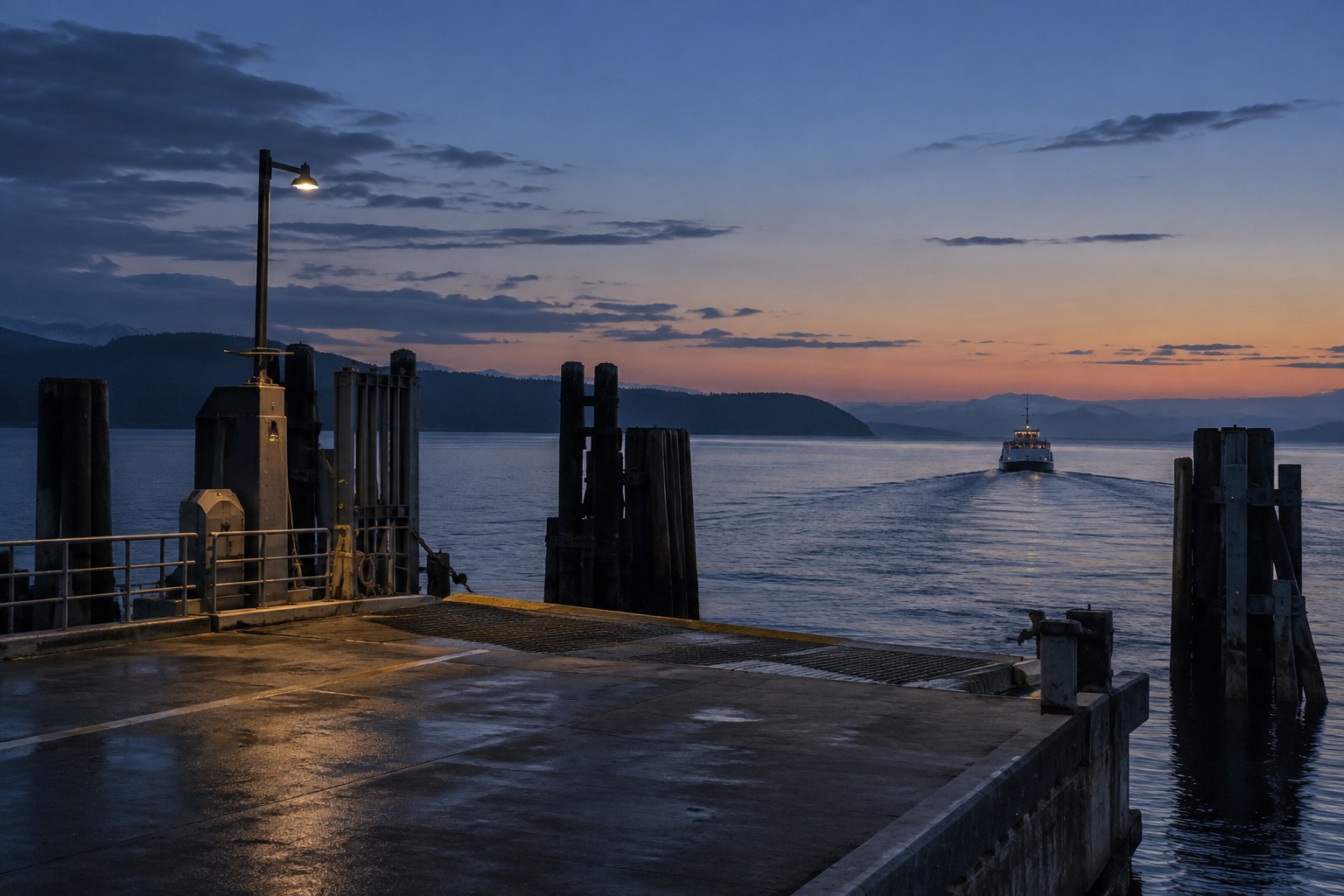
An empty path, a receding figure or evening light can suggest departure, but none is automatically an effective ending. If the series concerns markets and craftsmanship, a quiet view of a packed-away stall may be more connected than an unrelated sunset. Choose a conclusion that belongs to the subject you have actually shown.
Test three different endings
Place a wide contextual image, a close detail and a quieter scene at the end in turn. Read the sequence from the beginning each time. The wide view may bring the whole place back into focus; the detail may leave a specific memory; the quiet scene may slow the pace. Notice whether the final frame adds meaning or simply weakens the energy of the previous photograph.
Keep the penultimate image in mind. Two very similar views at the end can feel repetitive, while a sudden unrelated colour or viewpoint can feel like an interruption. A transition can be gentle without being visually identical. Repeated shapes or a shared direction may connect the pair while allowing the last image to do something different.
Do not use a caption to force an ending the photographs do not support. A short factual note may clarify location or timing, but a grand statement about the journey can overwhelm a modest visual sequence. If the closing photograph needs a long explanation to belong, reconsider the choice.
Leave the sequence for a while, then view it at its intended size or in a simple contact sheet. Ask whether you feel a natural stopping point after the last frame. If the series seems to end one image earlier, remove the extra photograph. The ending can remain open, but it should feel chosen rather than determined by file order or the chronology of the final travel day.