Light & exposure
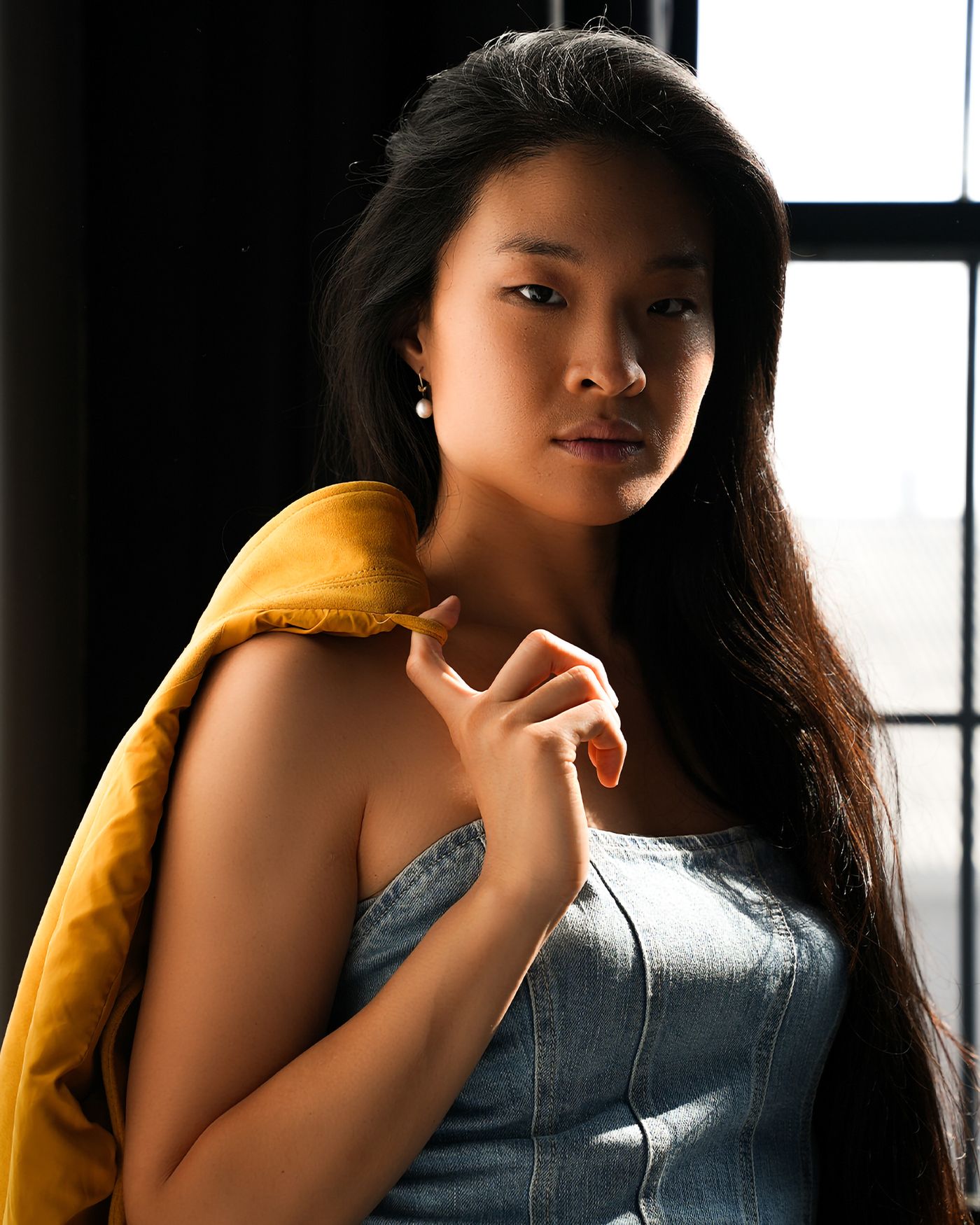
Window portraits without a flash
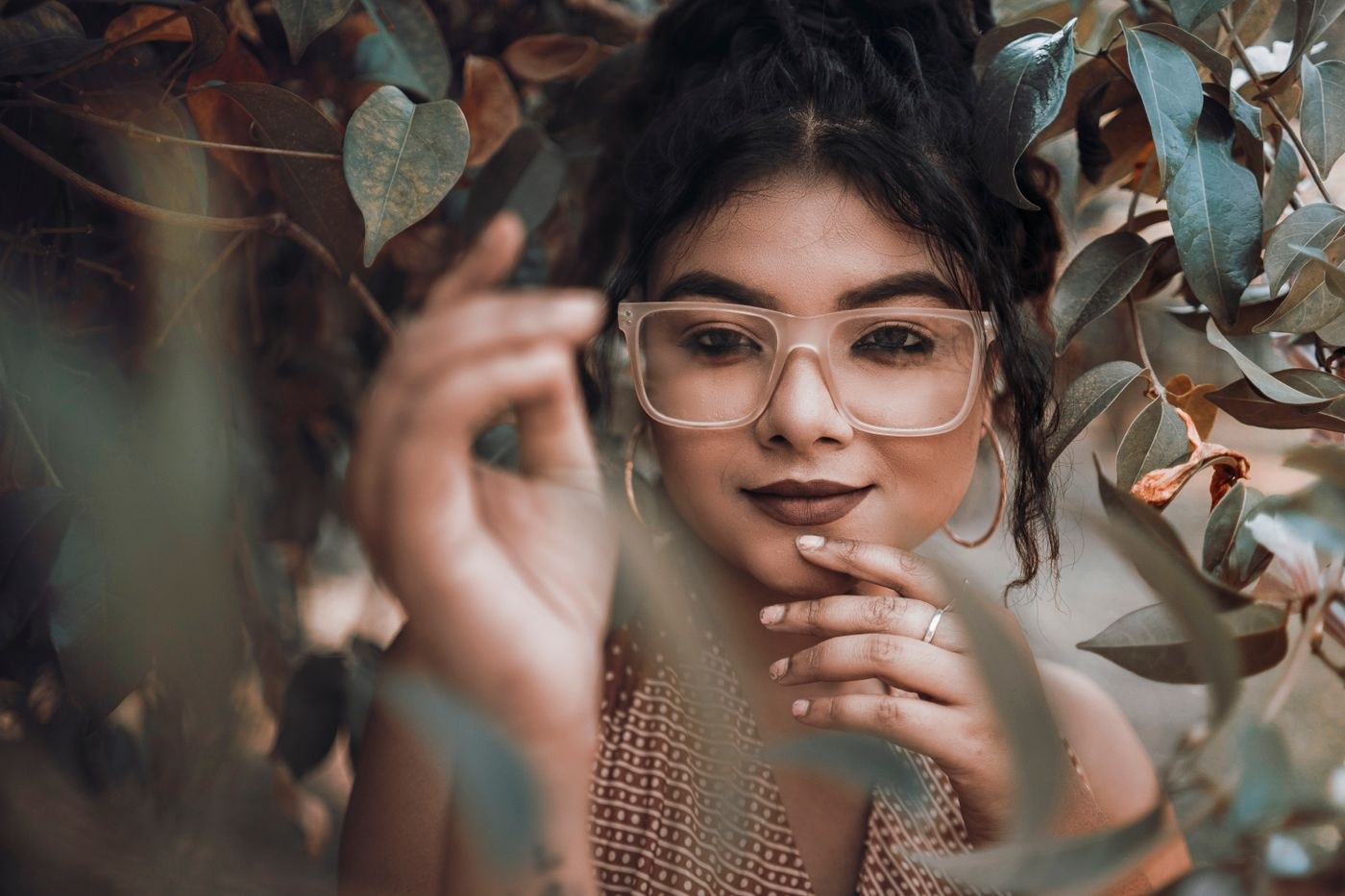
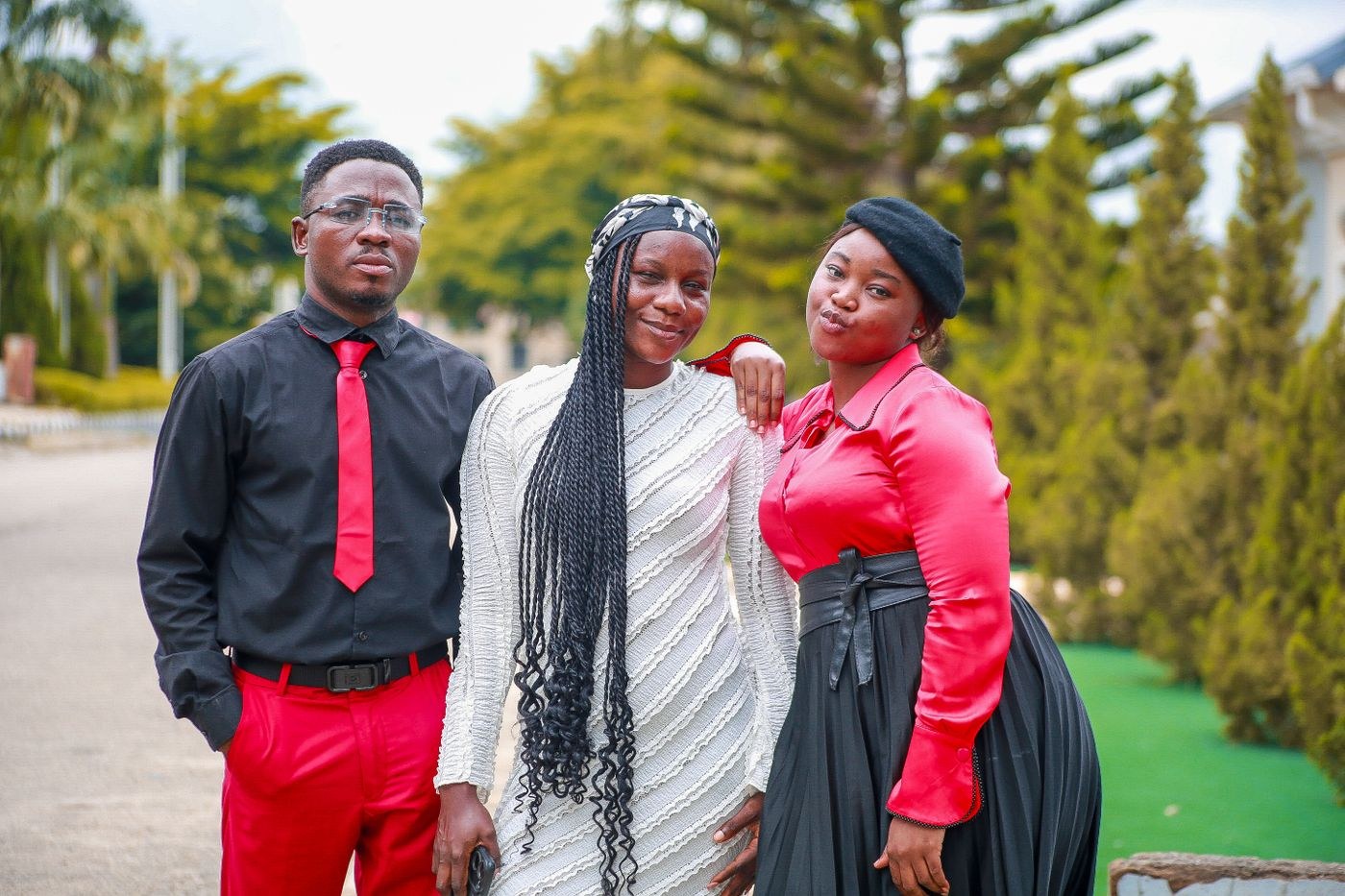
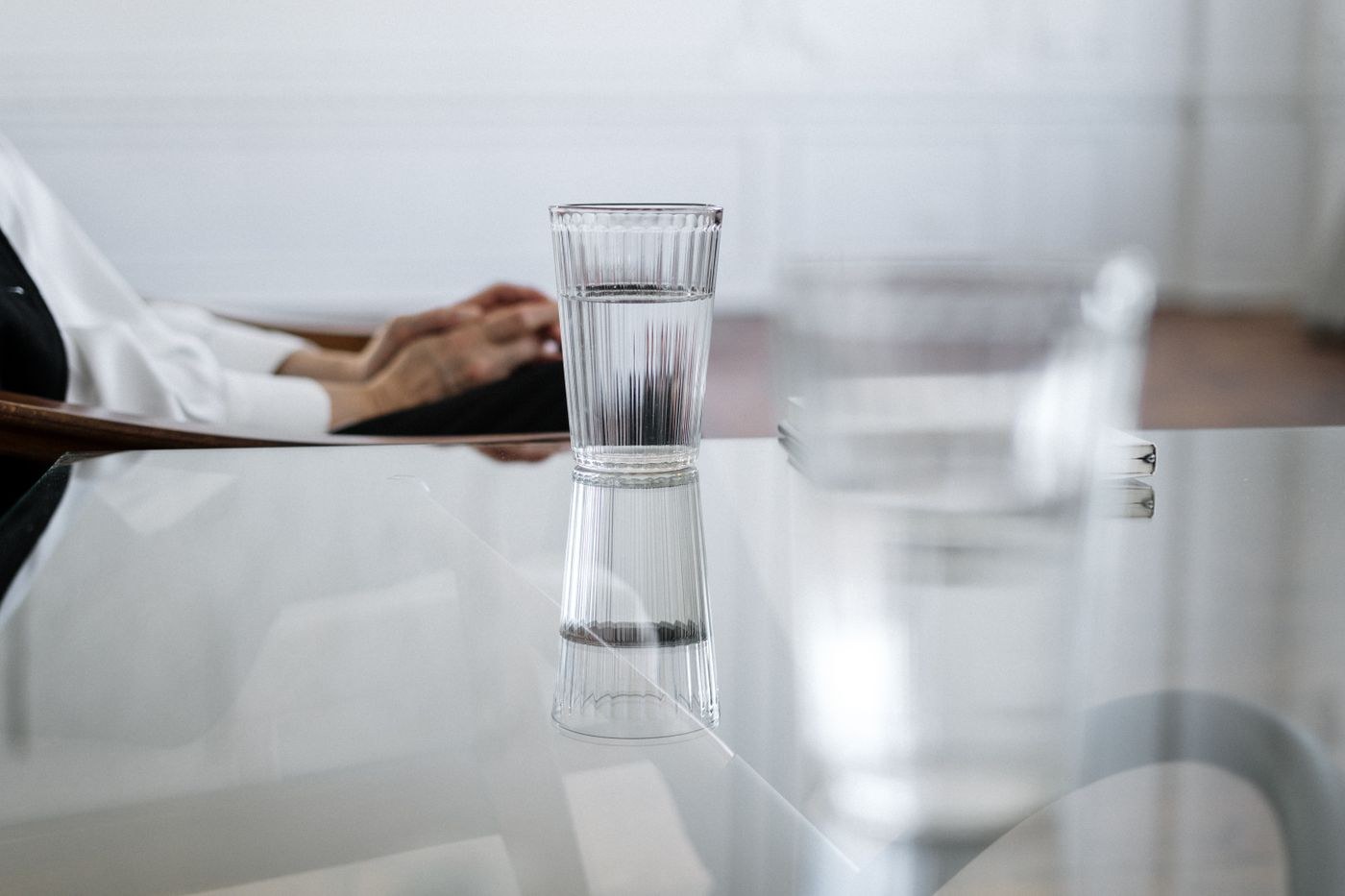
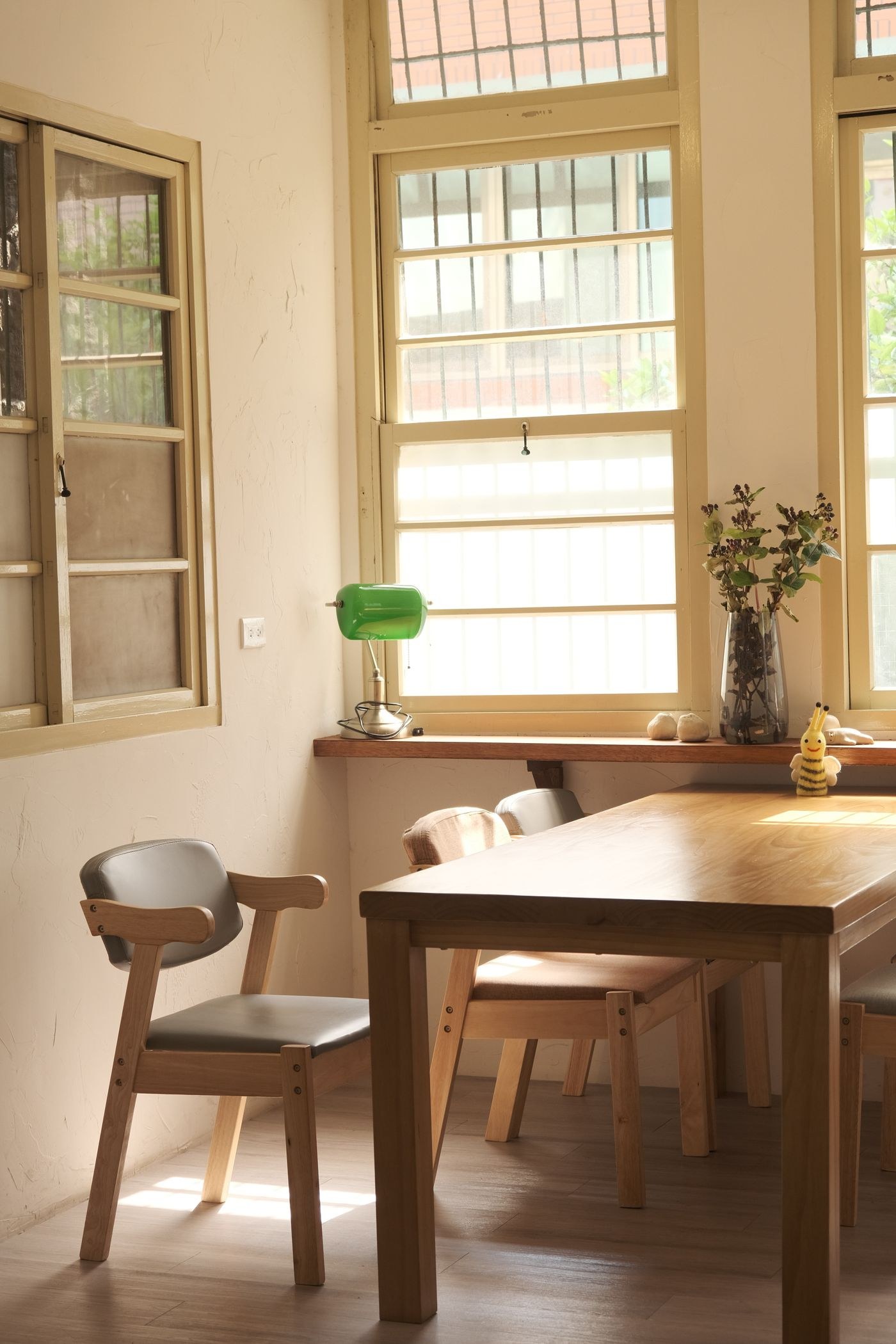
Position a person, camera and background around one window, then use the face to judge exposure and shadow depth.
Journal / 135
Search the journal and explore individual questions about photography.
135 articles
Light & exposure
Position a person, camera and background around one window, then use the face to judge exposure and shadow depth.
Light & exposure
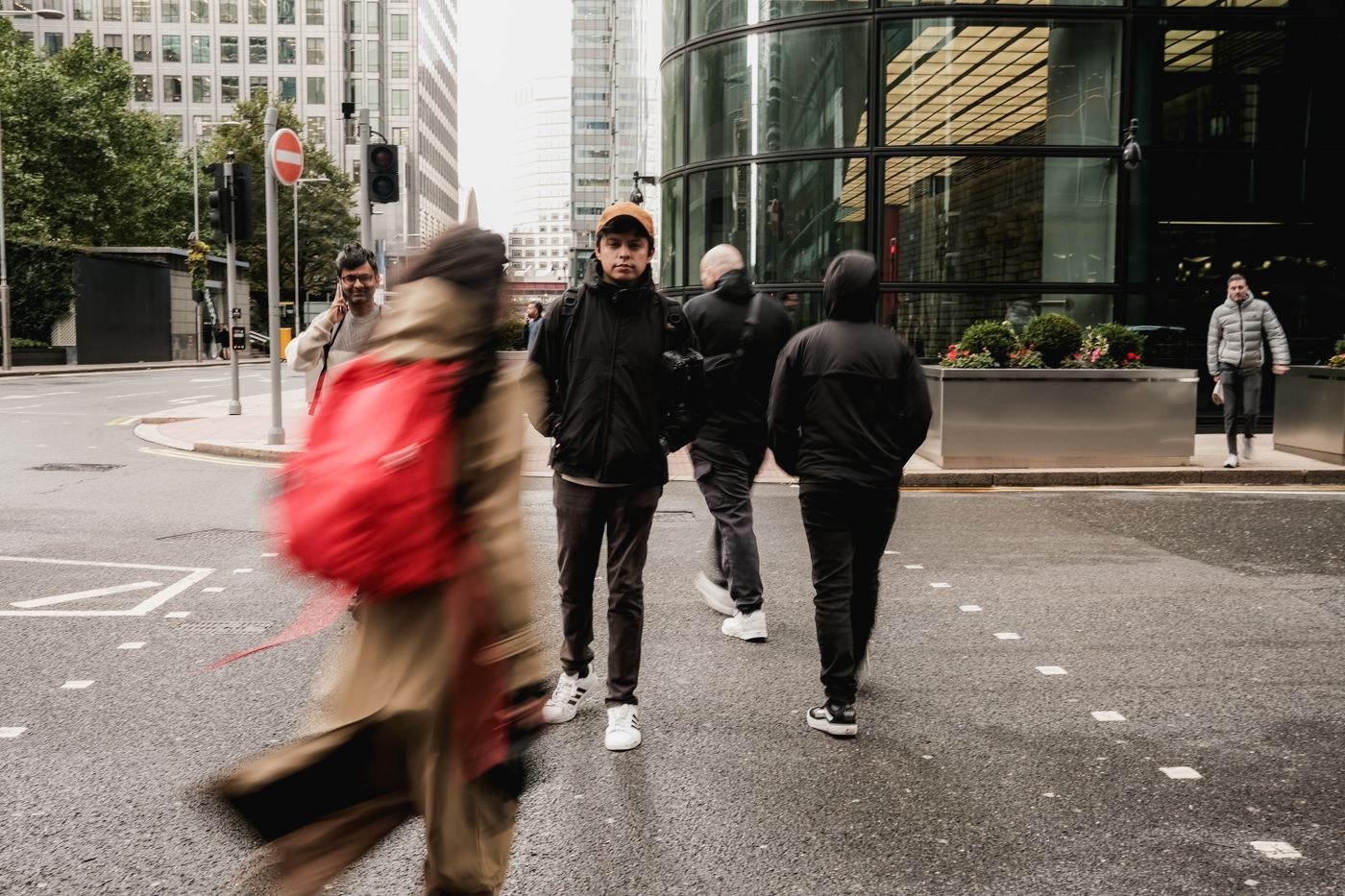
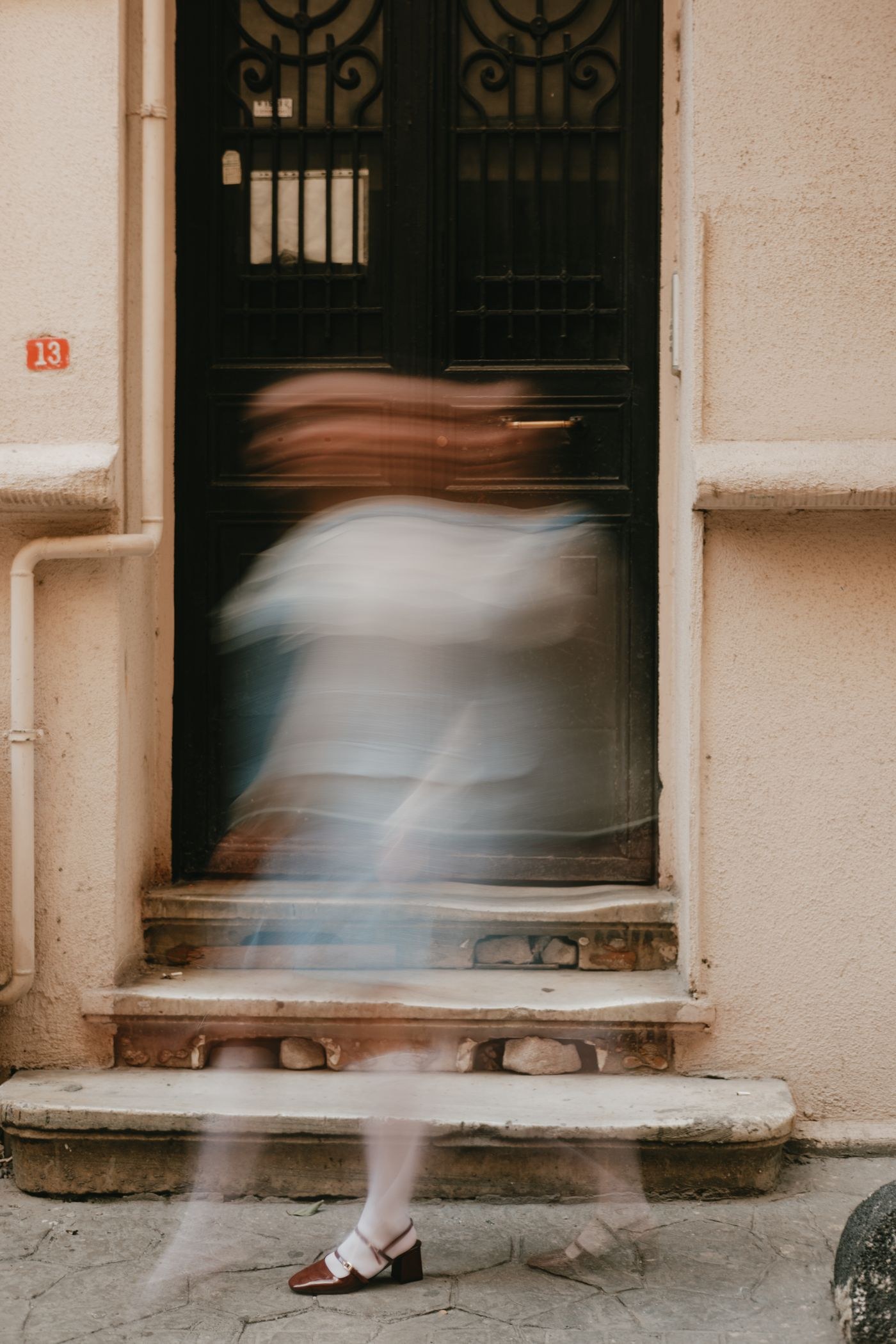
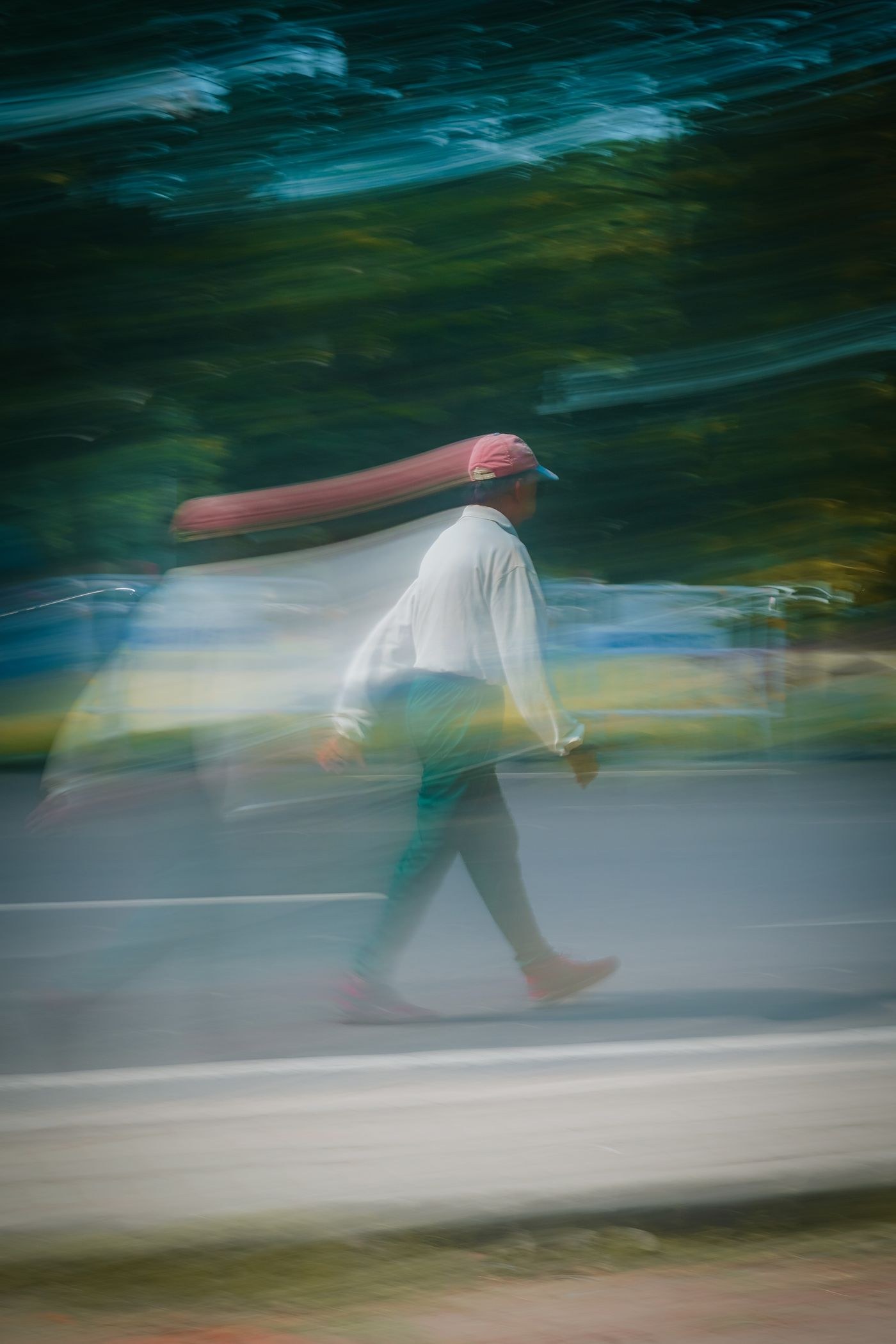
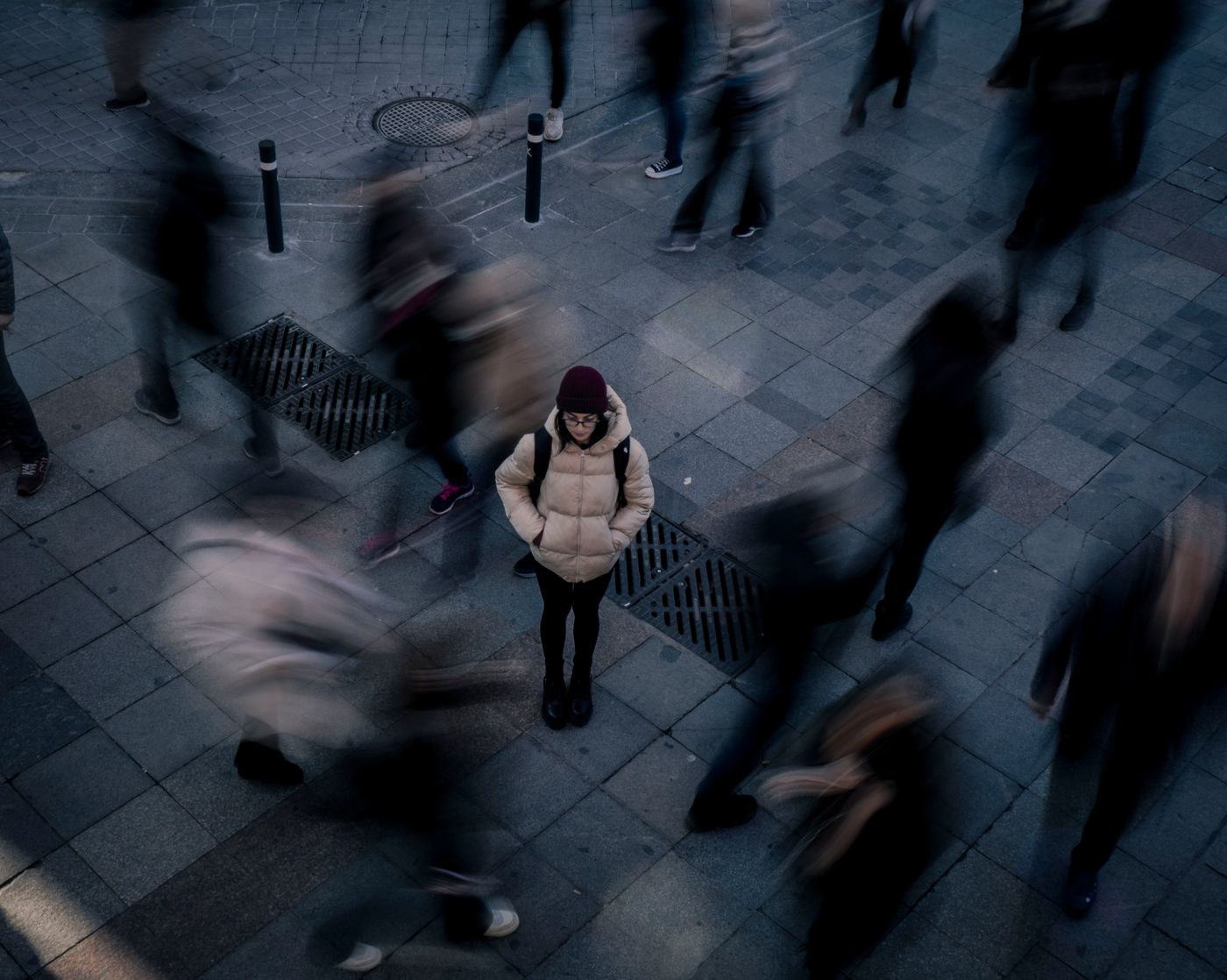
Use the direction of travel, distance and intended blur to choose a starting shutter speed for people on foot.
Light & exposure
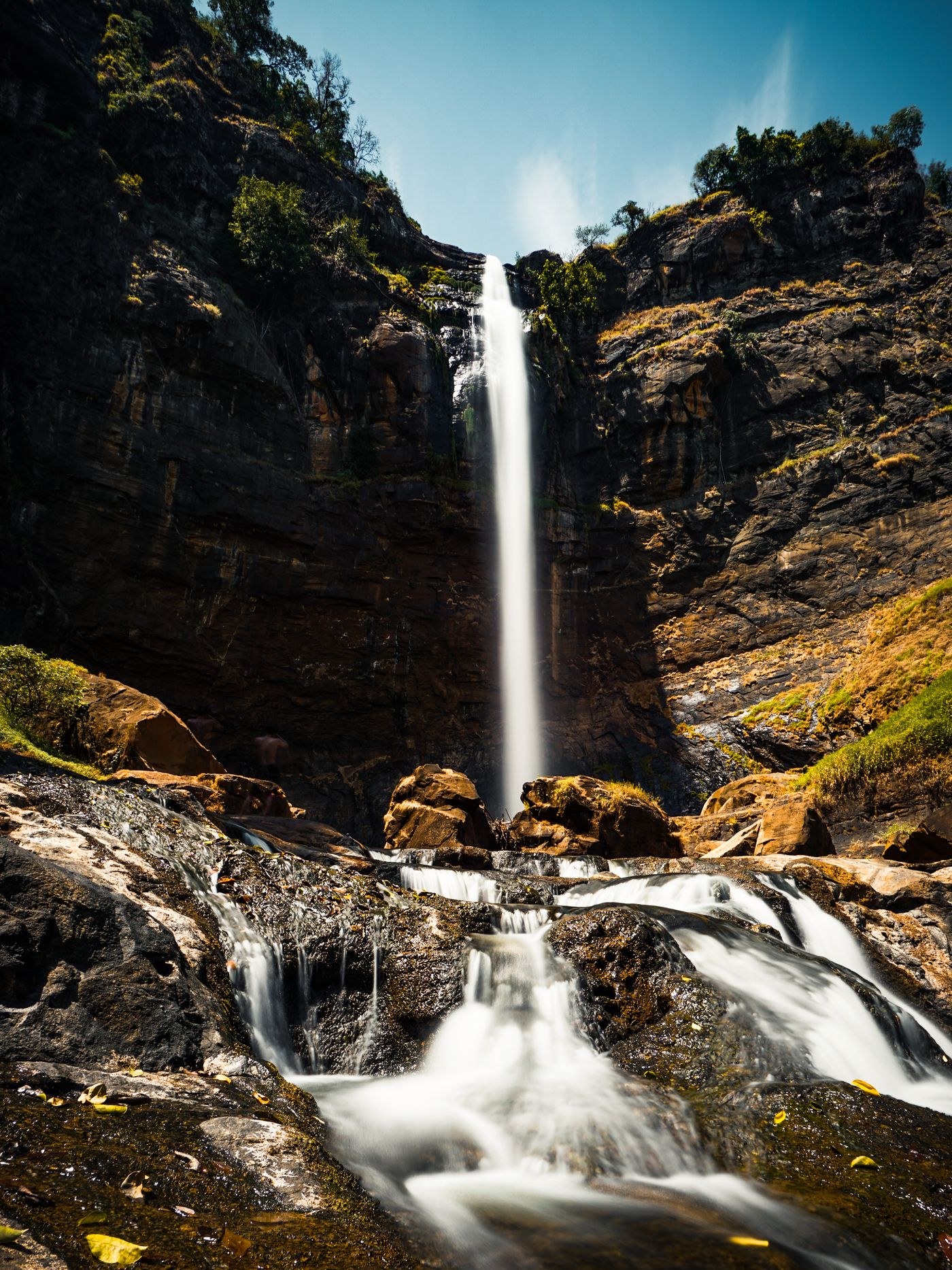
Match the exposure time to the structure you want to retain in a stream, fountain or breaking wave.
Light & exposure
Decide which sky detail matters, then balance exposure, timing and composition around the scene's contrast.
Light & exposure
Find shade that still receives open-sky light, then check the face for colour casts and distracting background brightness.
Light & exposure
Use three small objects to see how aperture, focus distance and viewing size affect apparent sharpness.
Light & exposure
Keep an eye sharp when foliage, a doorway or other foreground detail competes for autofocus attention.
Light & exposure
Preserve the character of a dark coat, ceramic object or fabric without letting the meter turn it into a midtone.
Light & exposure
Make white fabric or paper look light while preserving the small tonal differences that describe its surface.
Light & exposure
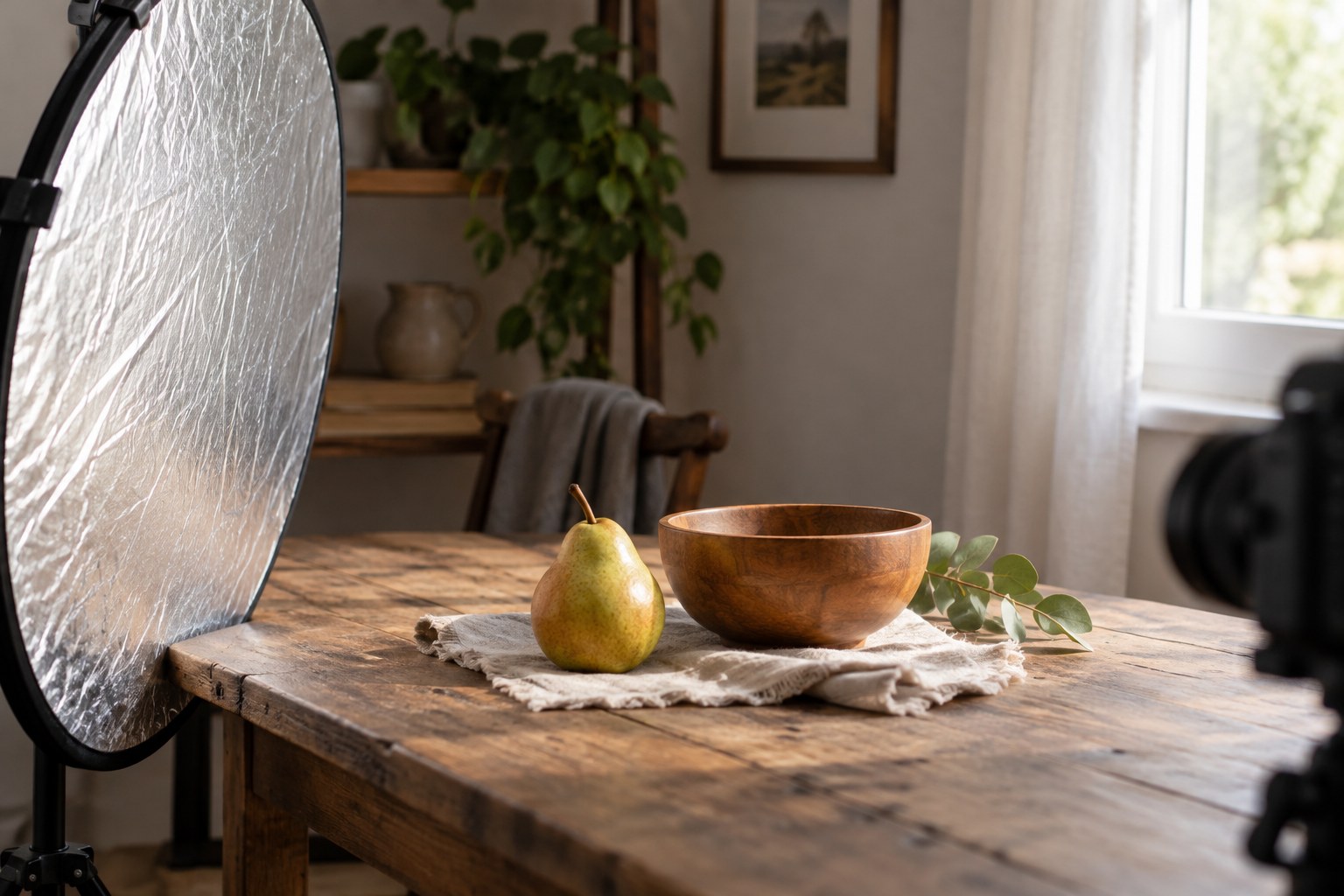
Use a white board to lift window-side shadows while keeping the direction and shape of the original light.
Light & exposure
Interpret a histogram in relation to the subject instead of trying to force every photograph into a central mound.
Light & exposure
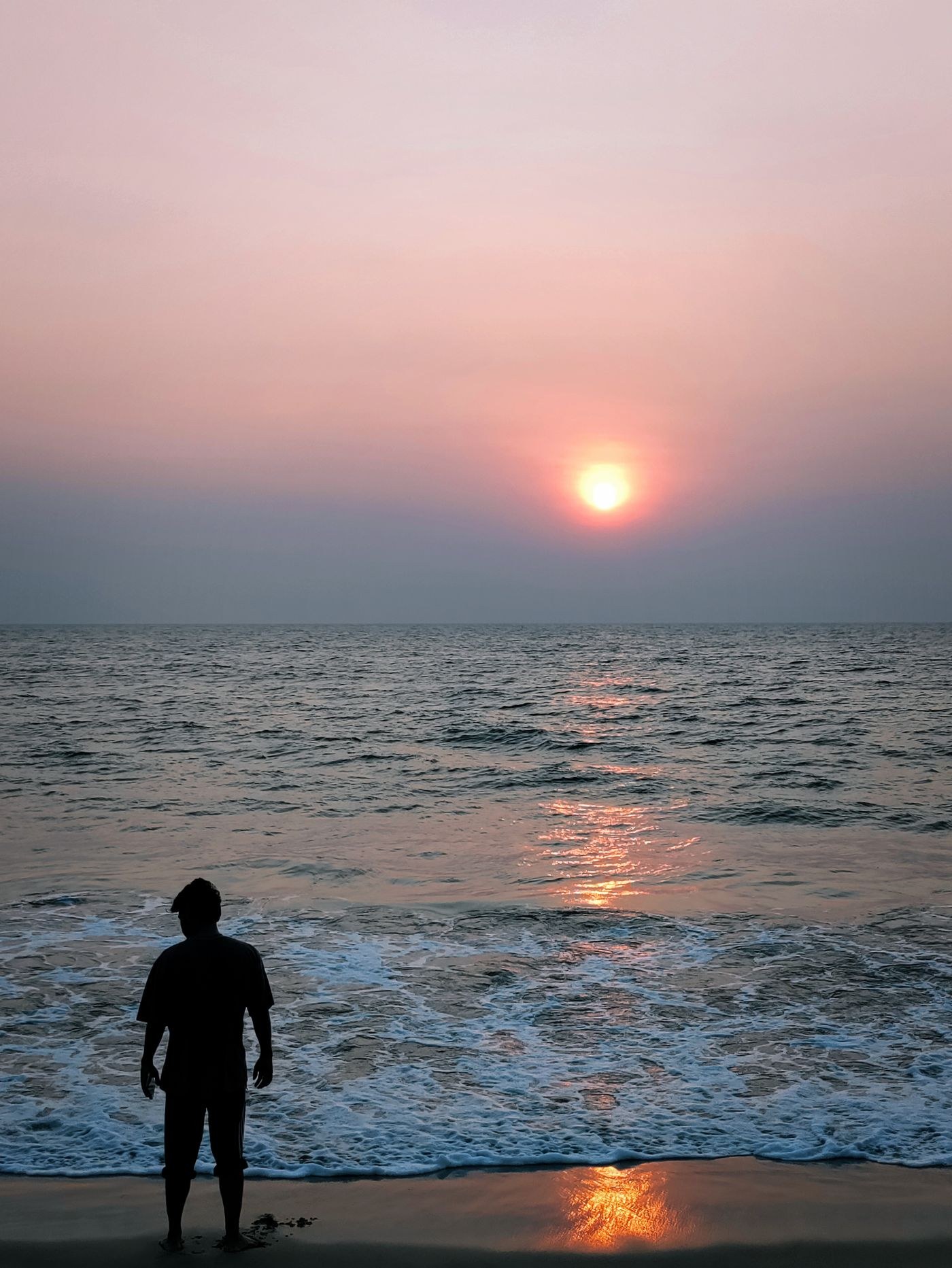
Use a readable outline and a bright background to make a sunset silhouette deliberate rather than merely underexposed.
Light & exposure
Reduce competing light colours before using white balance to make an indoor sequence consistent.
Light & exposure
Arrange faces at similar distances before choosing an aperture to cover the depth of a group.
Light & exposure
Use the pattern of softness to distinguish camera movement, subject movement and focus placed at the wrong distance.
Light & exposure
Keep a subject consistently exposed as it moves in front of backgrounds with different brightness.
Light & exposure
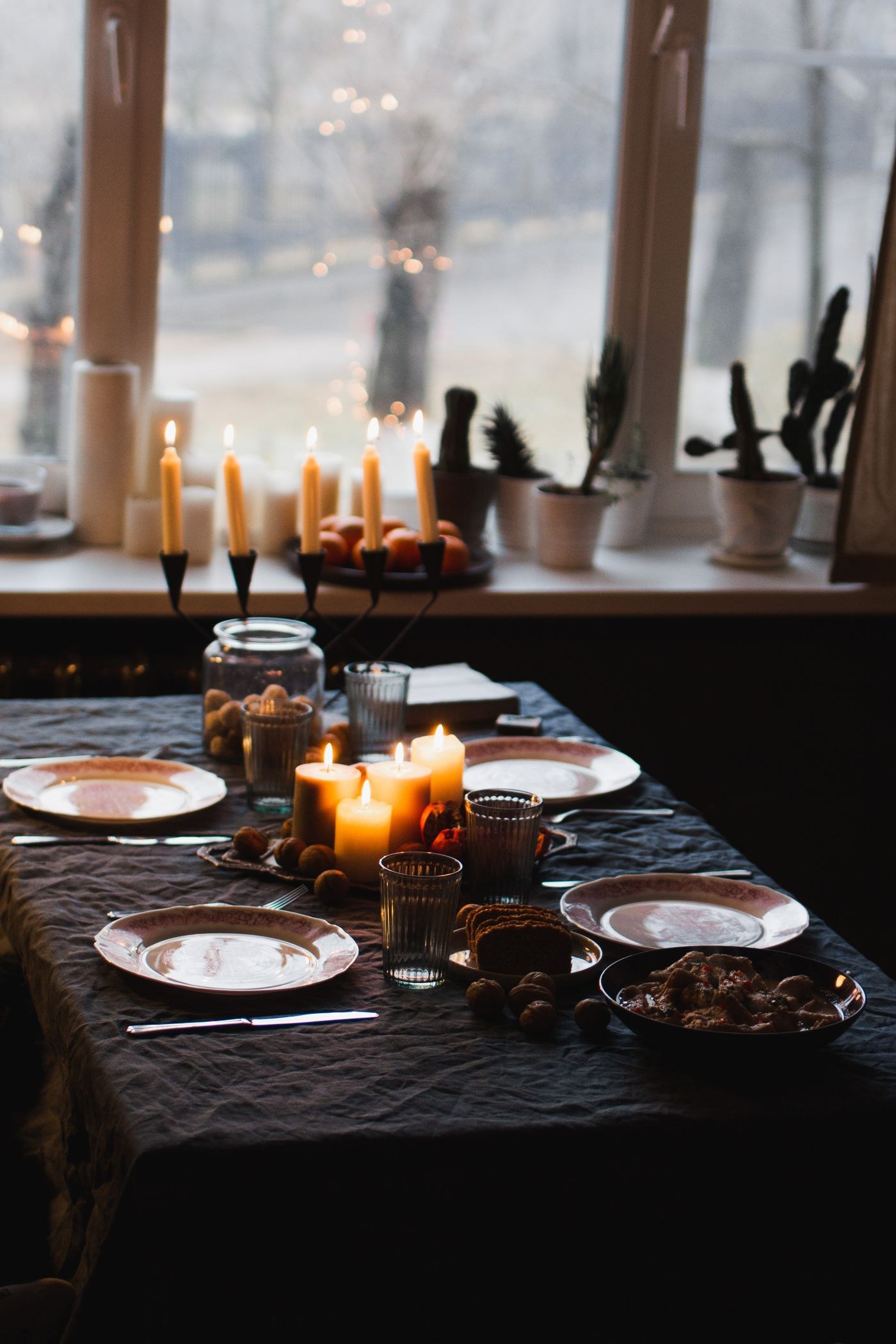
Retain the warmth of candles while giving the table enough visible detail and keeping flames from dominating the exposure.
Light & exposure
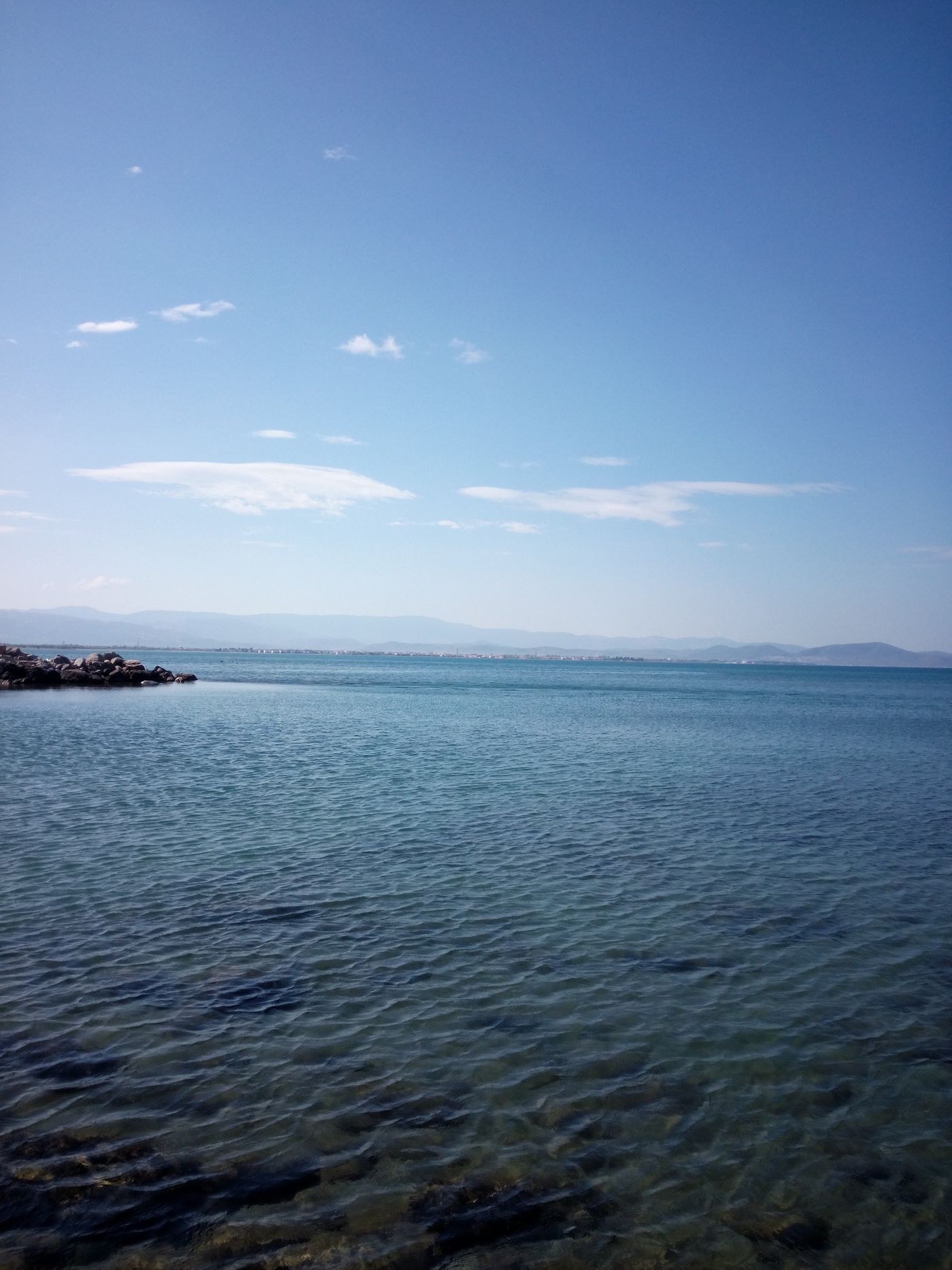
Choose the horizon position by deciding whether the land, sky or their balance carries the photograph.
Light & exposure
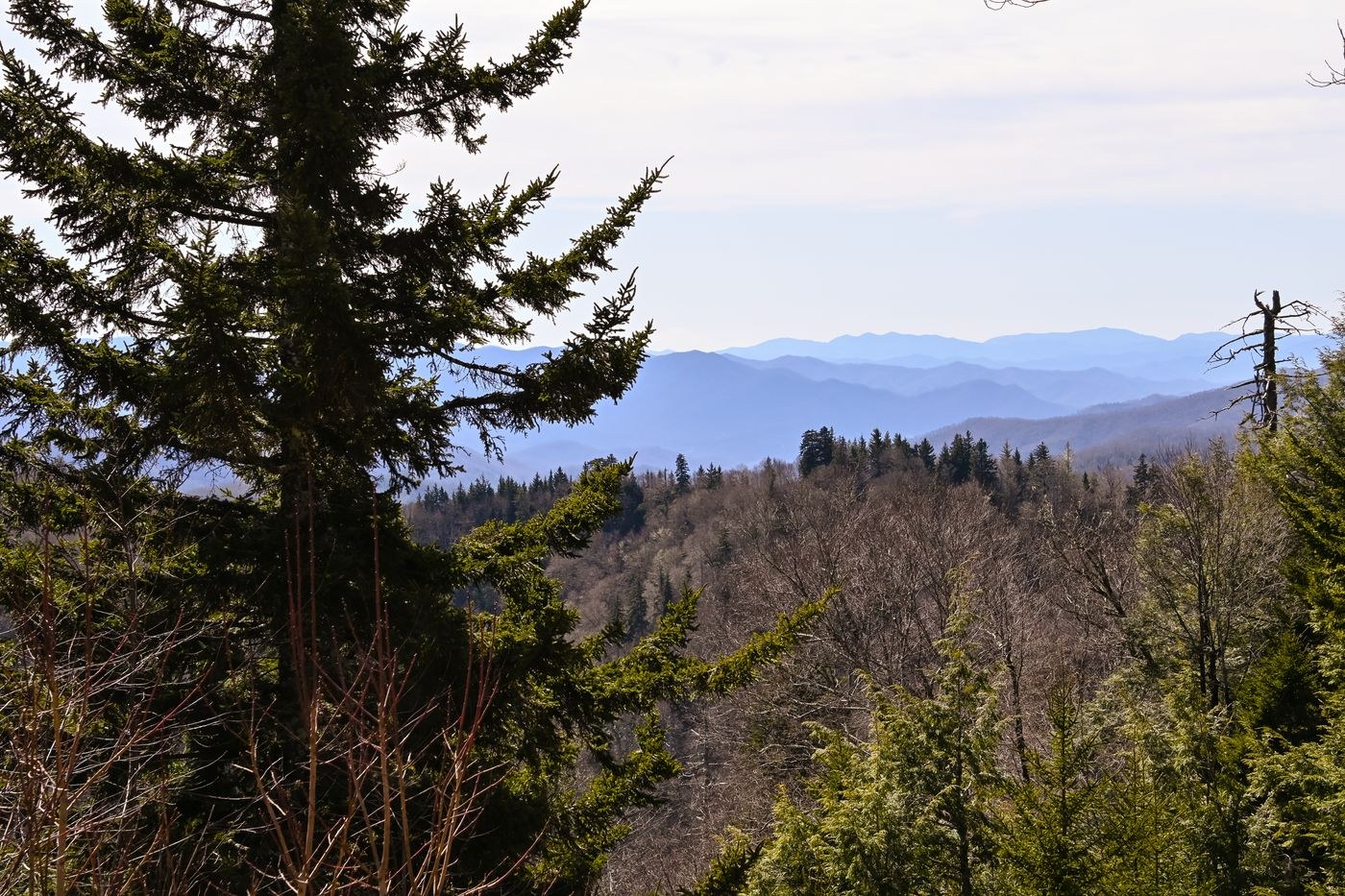
Use a near object to establish depth without letting it block the landscape you came to photograph.
Light & exposure
Shape what a glass object reflects instead of trying to remove every reflection from its surface.
Light & exposure
Plan focus, background and timing when a moving person travels sideways through your composition.
Light & exposure
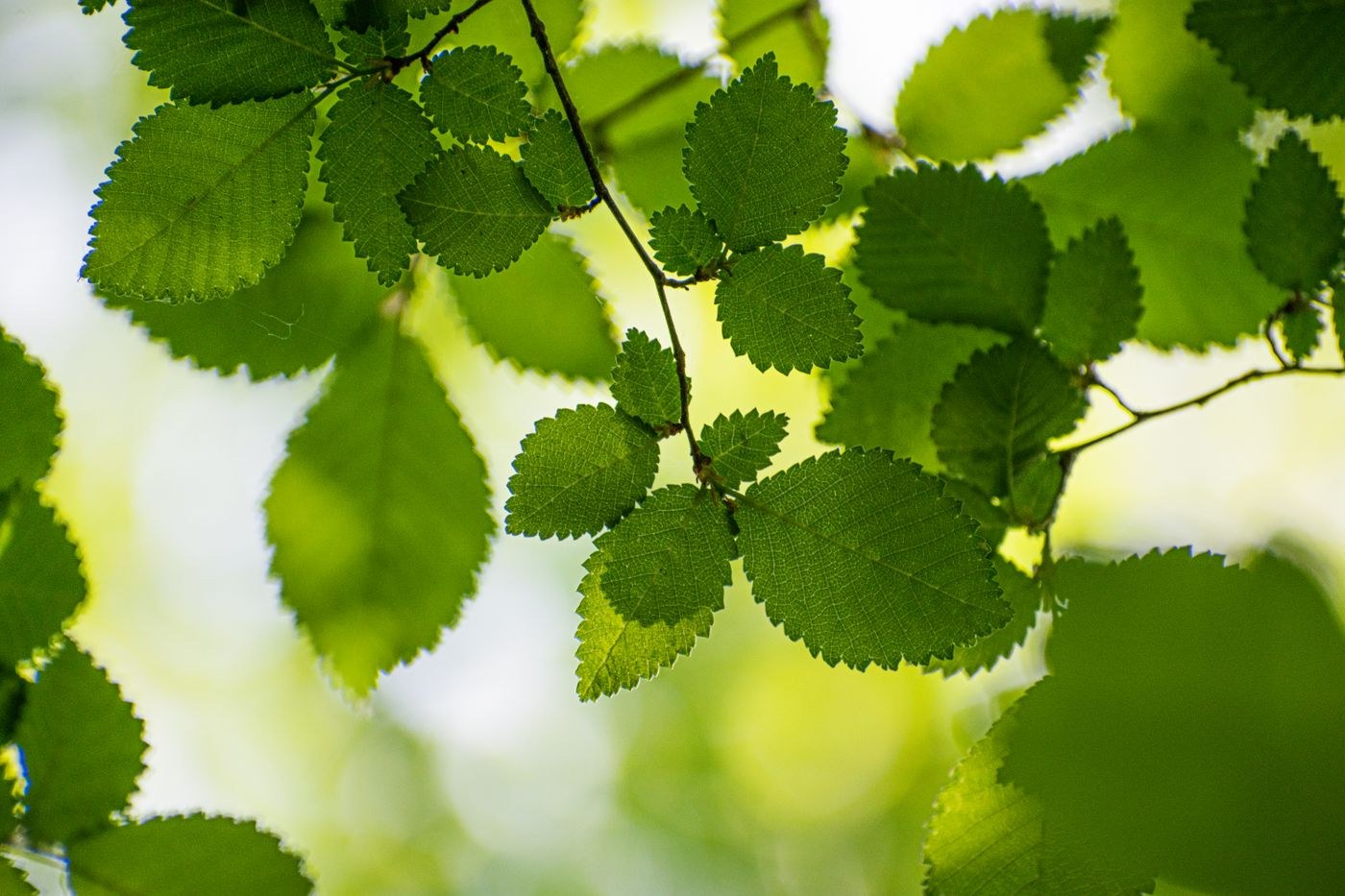
Reveal a leaf's veins with light behind it while controlling flare, background and small movements.
Light & exposure
Give a small subject room without filling the surrounding space with accidental distractions.
Light & exposure
Lower the camera to change relationships in the scene while keeping the main subject distinct from the foreground.
Light & exposure
Plan a room photograph around the contrast between interior surfaces and the view through its windows.
Light & exposure
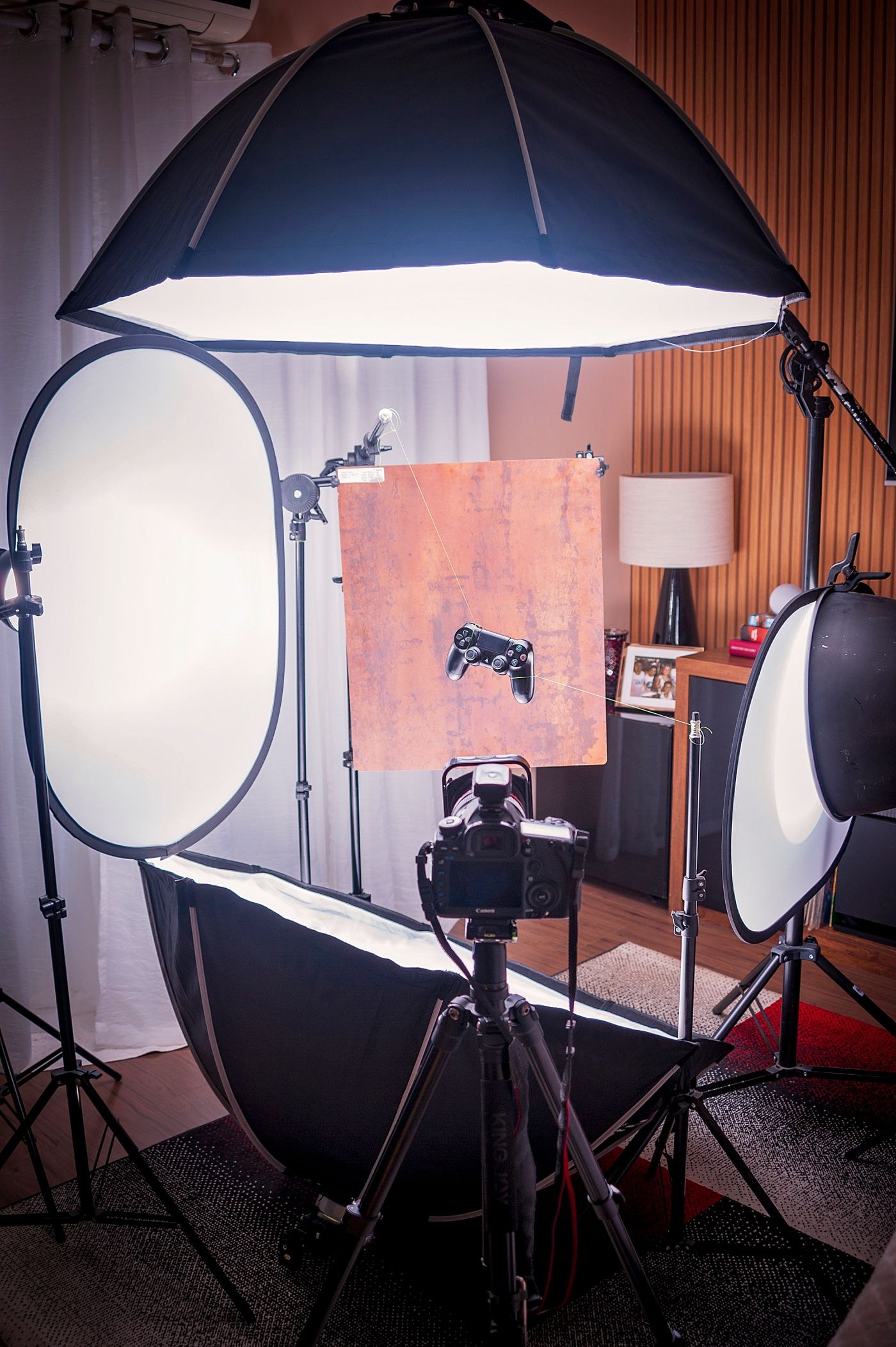
Place a reflector around a small object by watching the shadow and reflection it actually changes.
Light & exposure
Choose the flower detail that needs to be sharp, then align the camera and manage movement around that choice.
Light & exposure
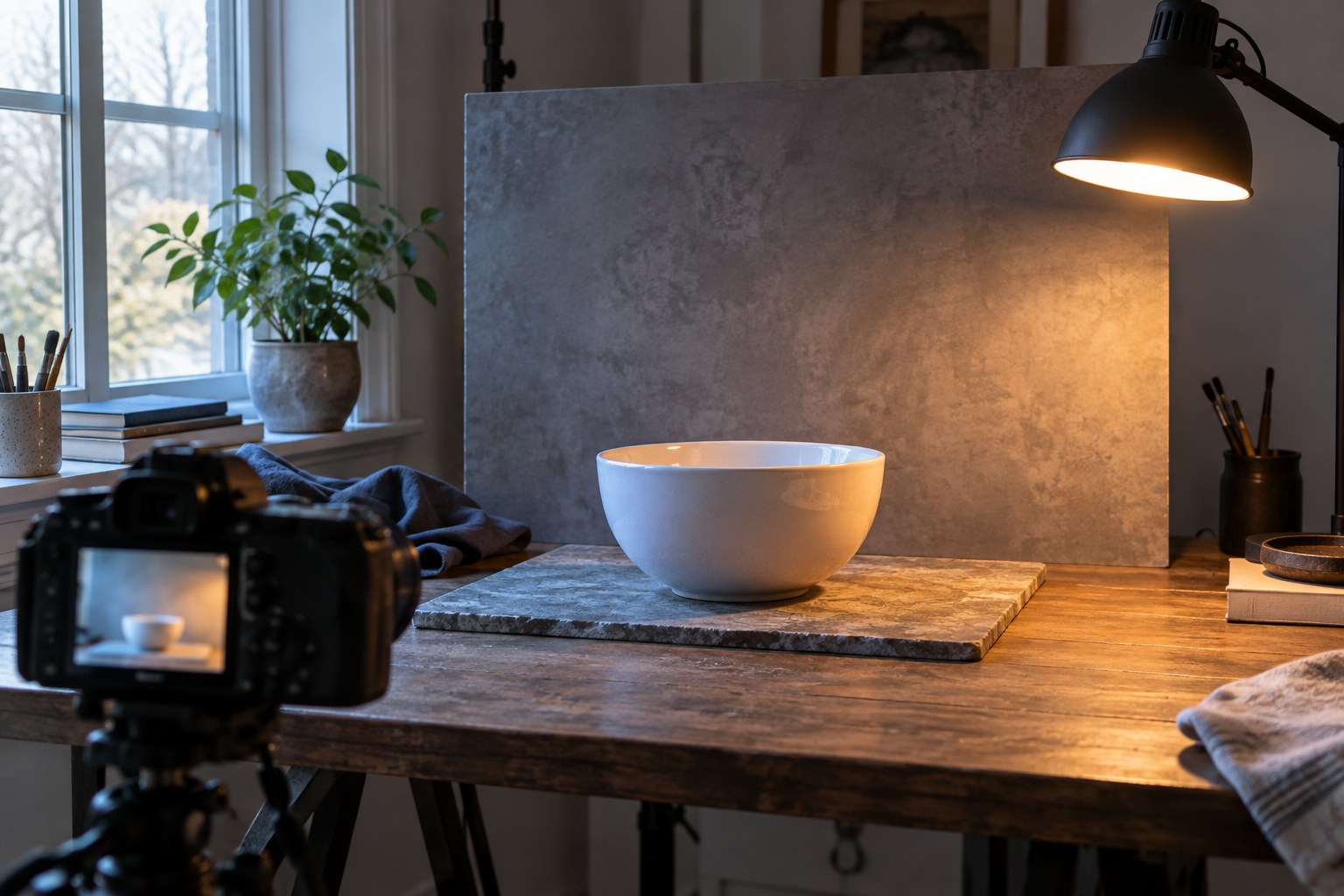
Move one light around wood, stone or fabric to reveal surface relief without making every shadow harsh.
Light & exposure
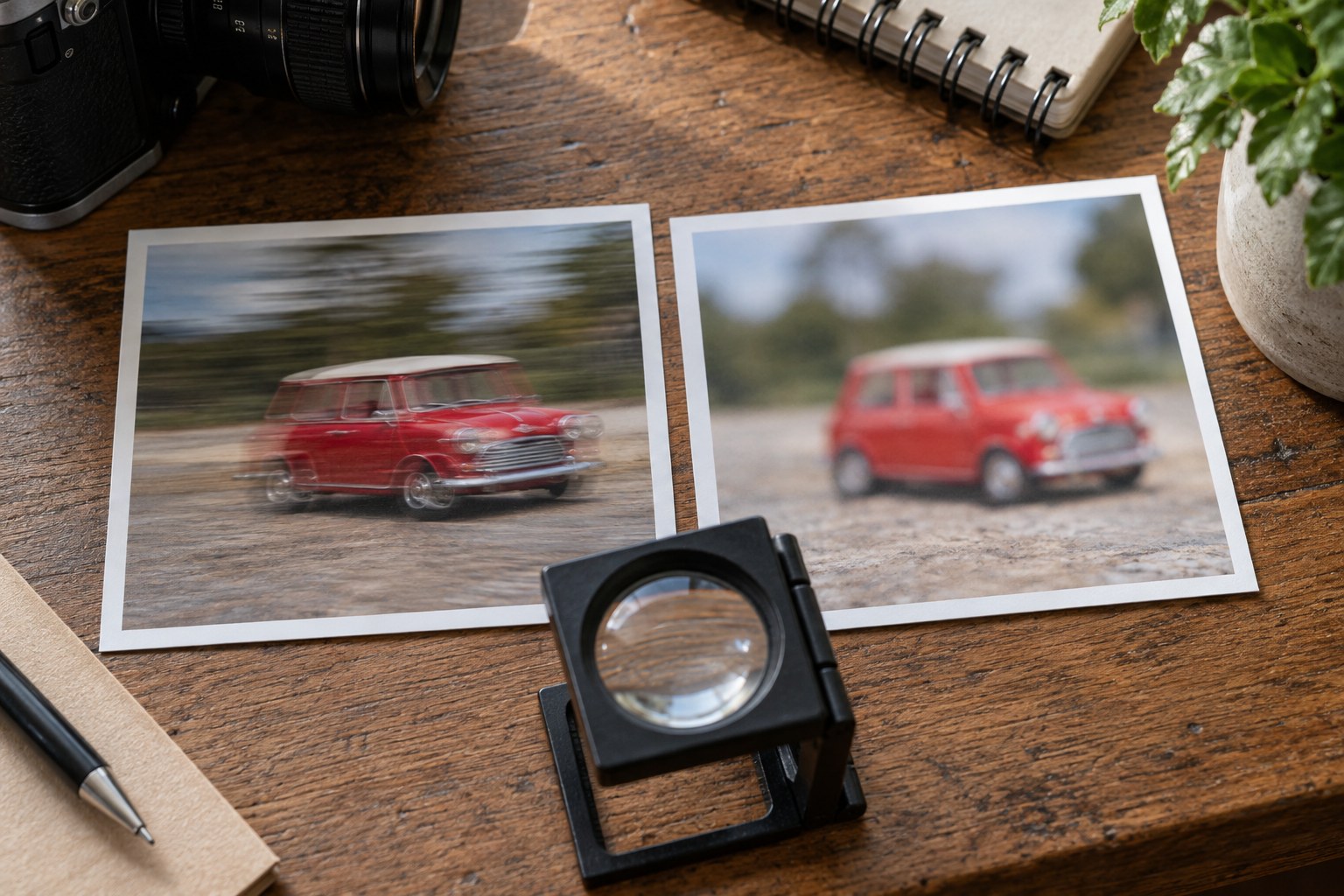
Give motion blur a clear role by choosing what moves, what stays recognisable and how the movement crosses the frame.
Light & exposure
Judge useful detail in the size and medium where the photograph will actually be viewed, then investigate specific weaknesses.
Cameras & accessories
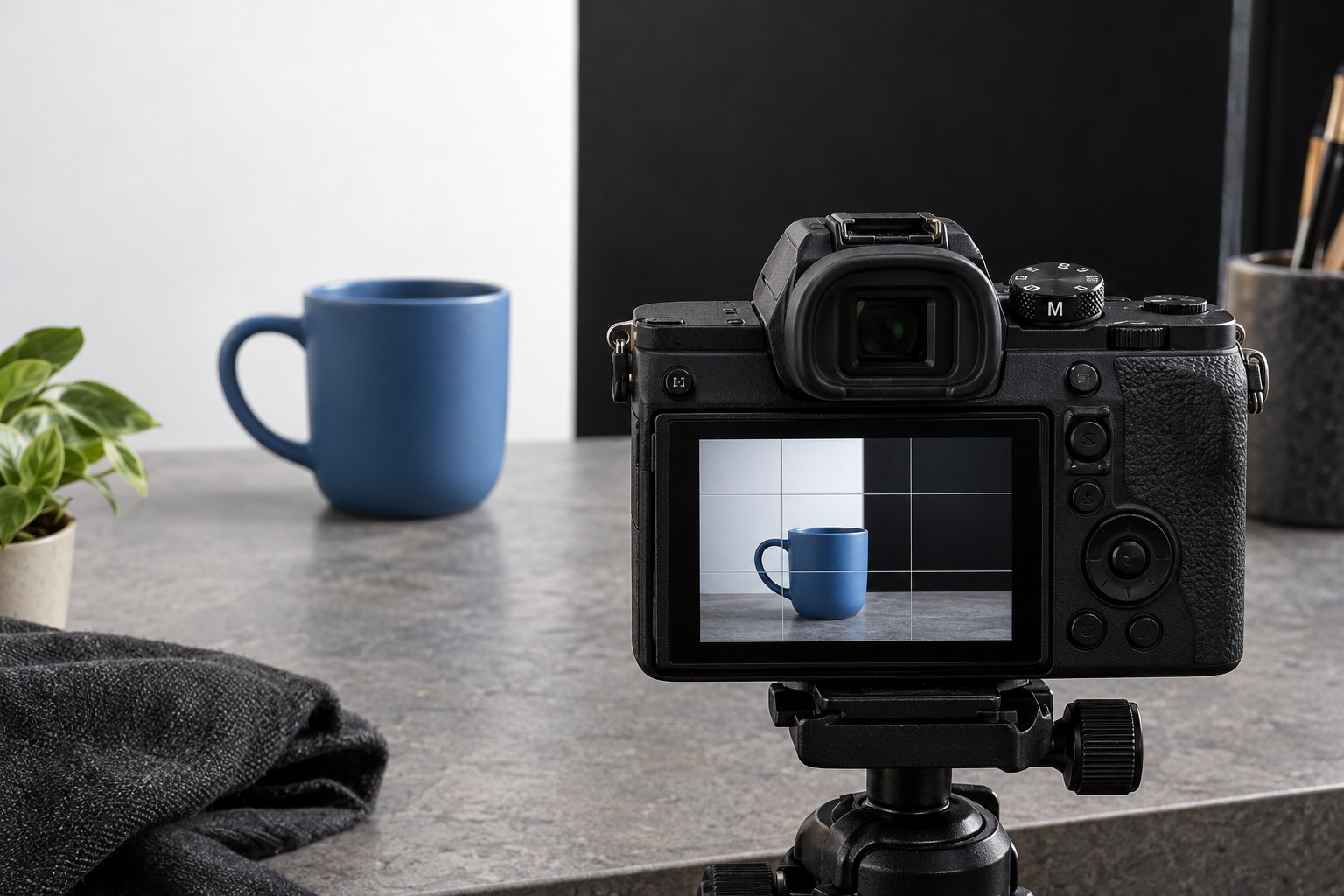
Choose a first additional lens by identifying the photographs your current equipment cannot make comfortably.
Cameras & accessories
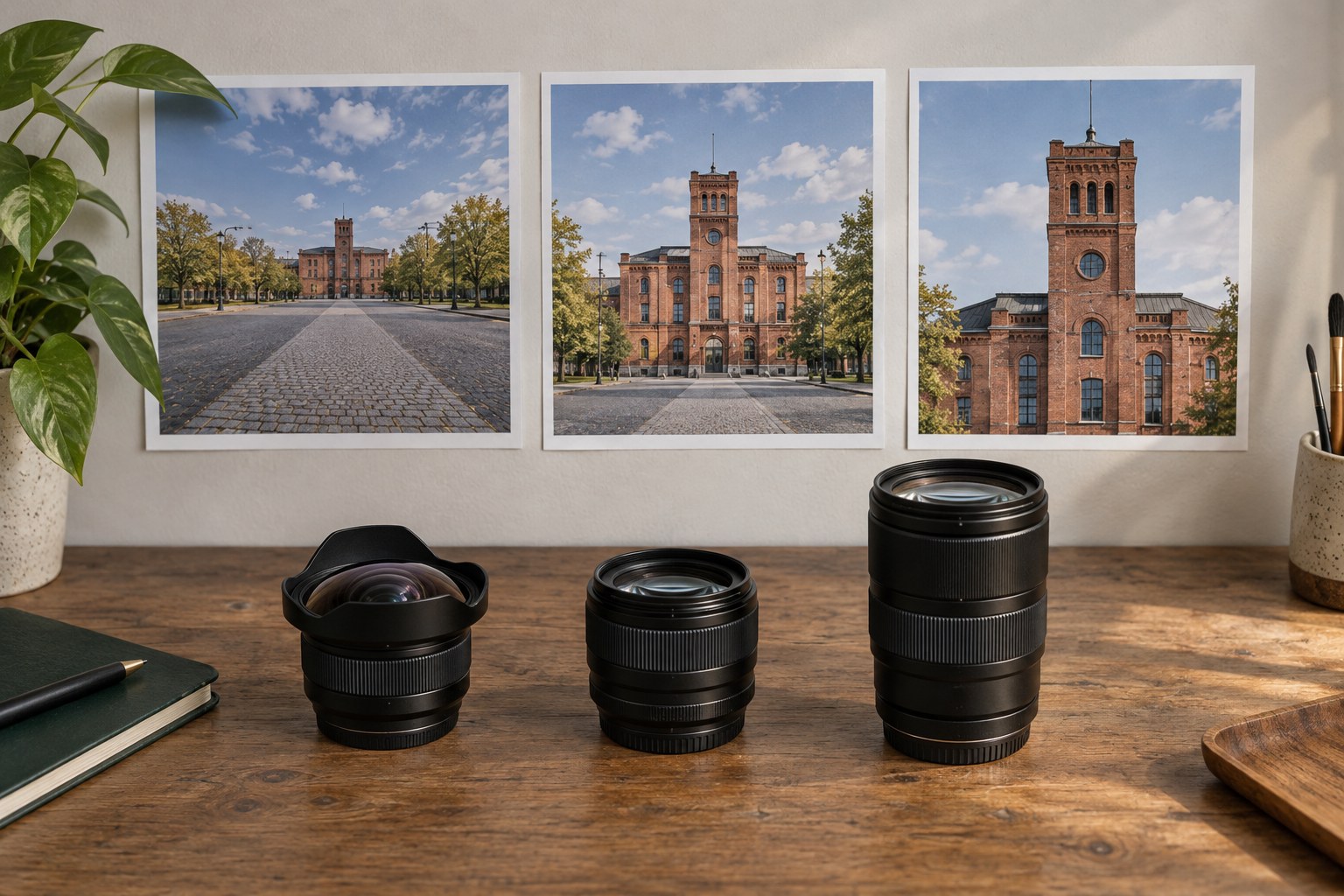
Keep the camera still while changing focal length to separate field of view from perspective changes caused by moving.
Cameras & accessories
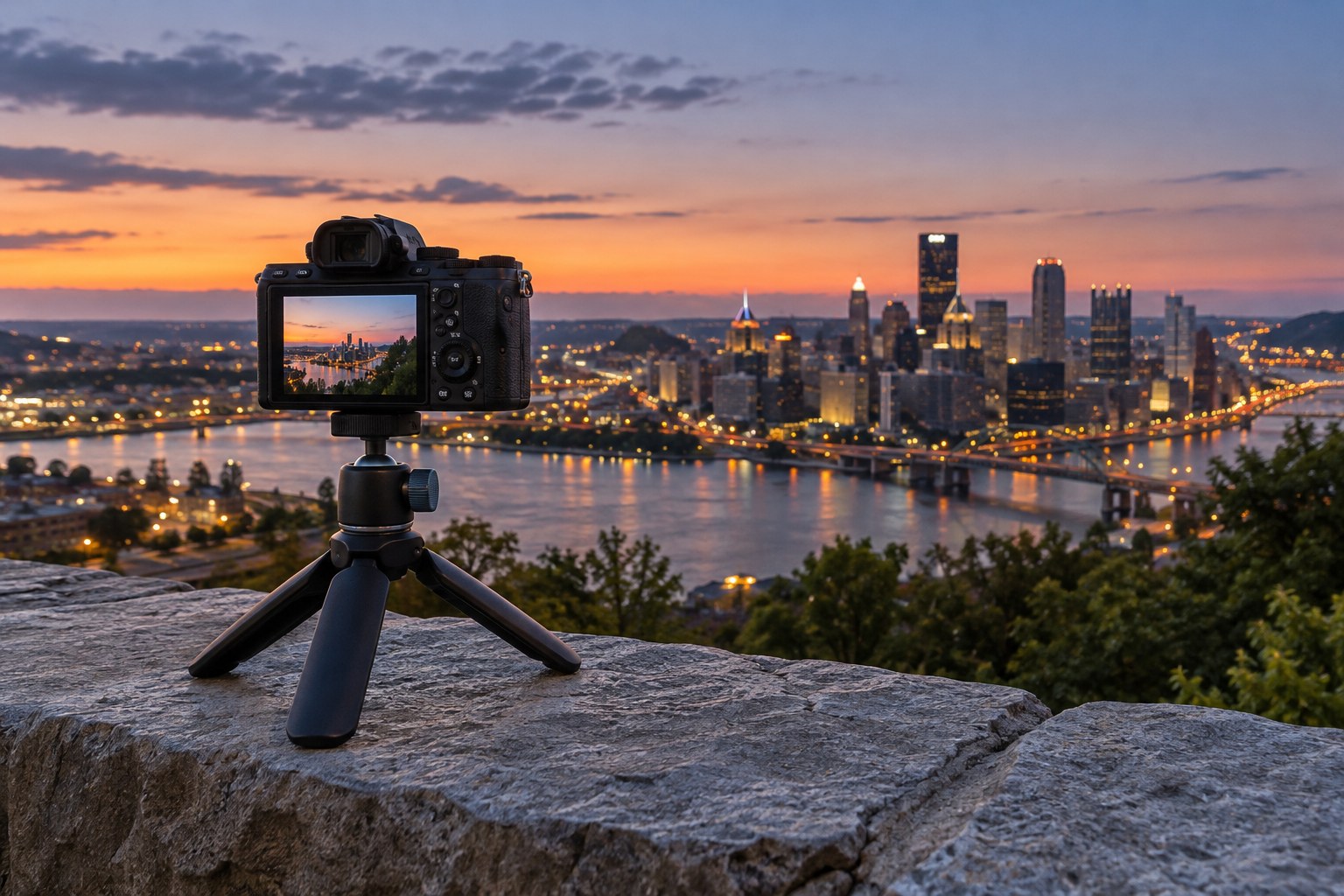
Decide whether a compact support solves a real exposure or framing problem before adding it to a small camera kit.
Cameras & accessories
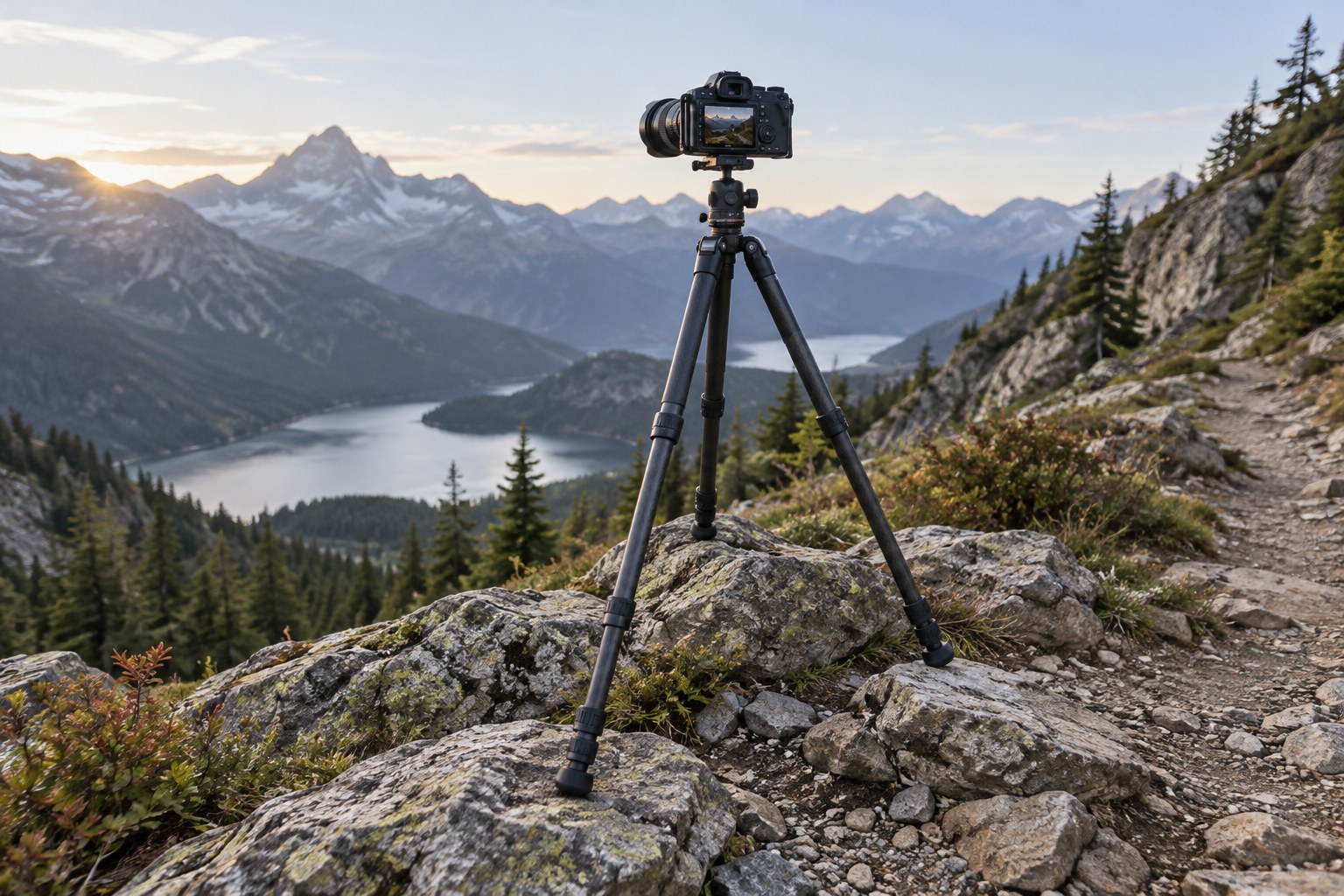
Build a stable base on uneven ground before levelling the camera or extending the centre column.
Cameras & accessories
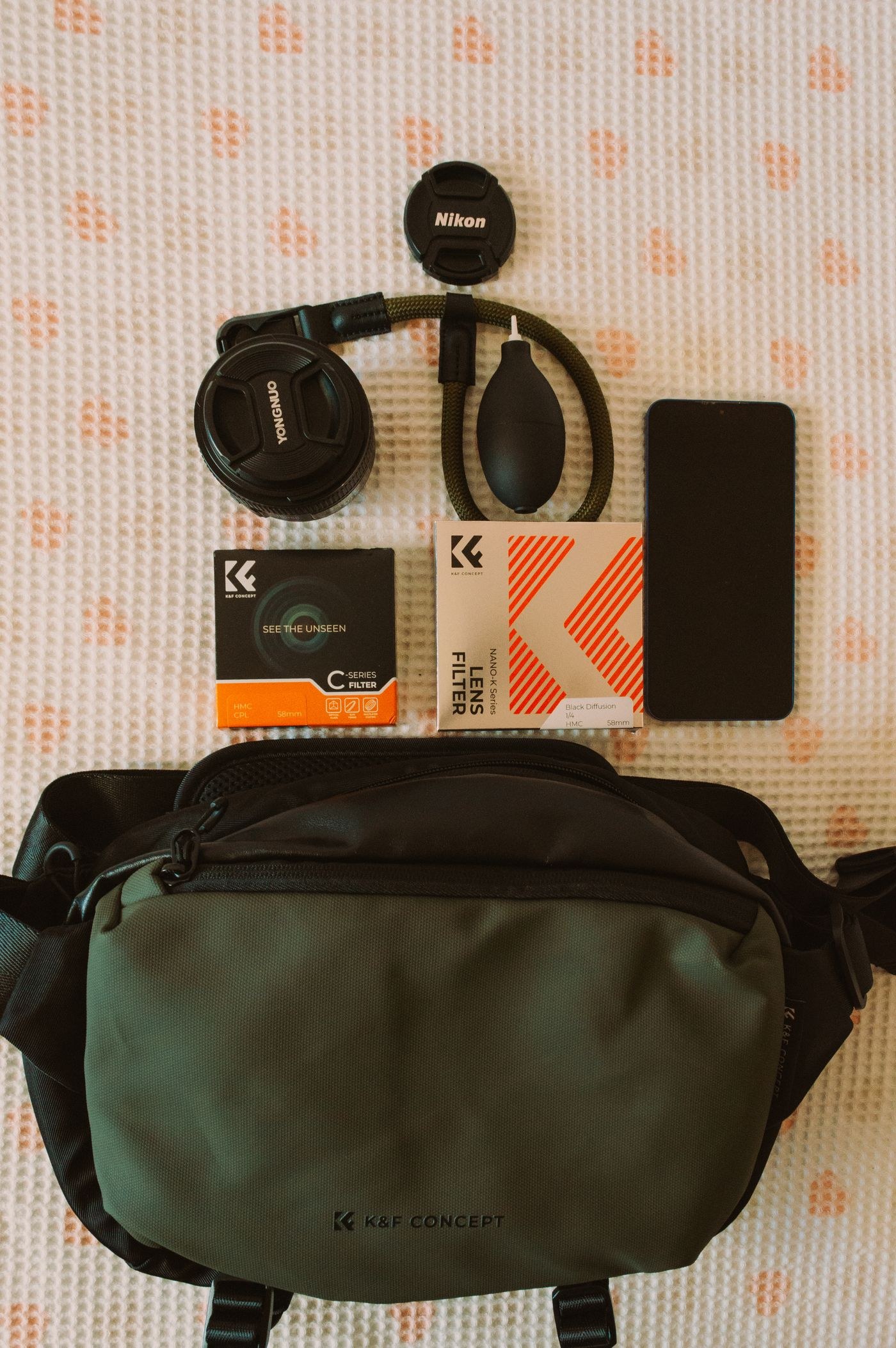
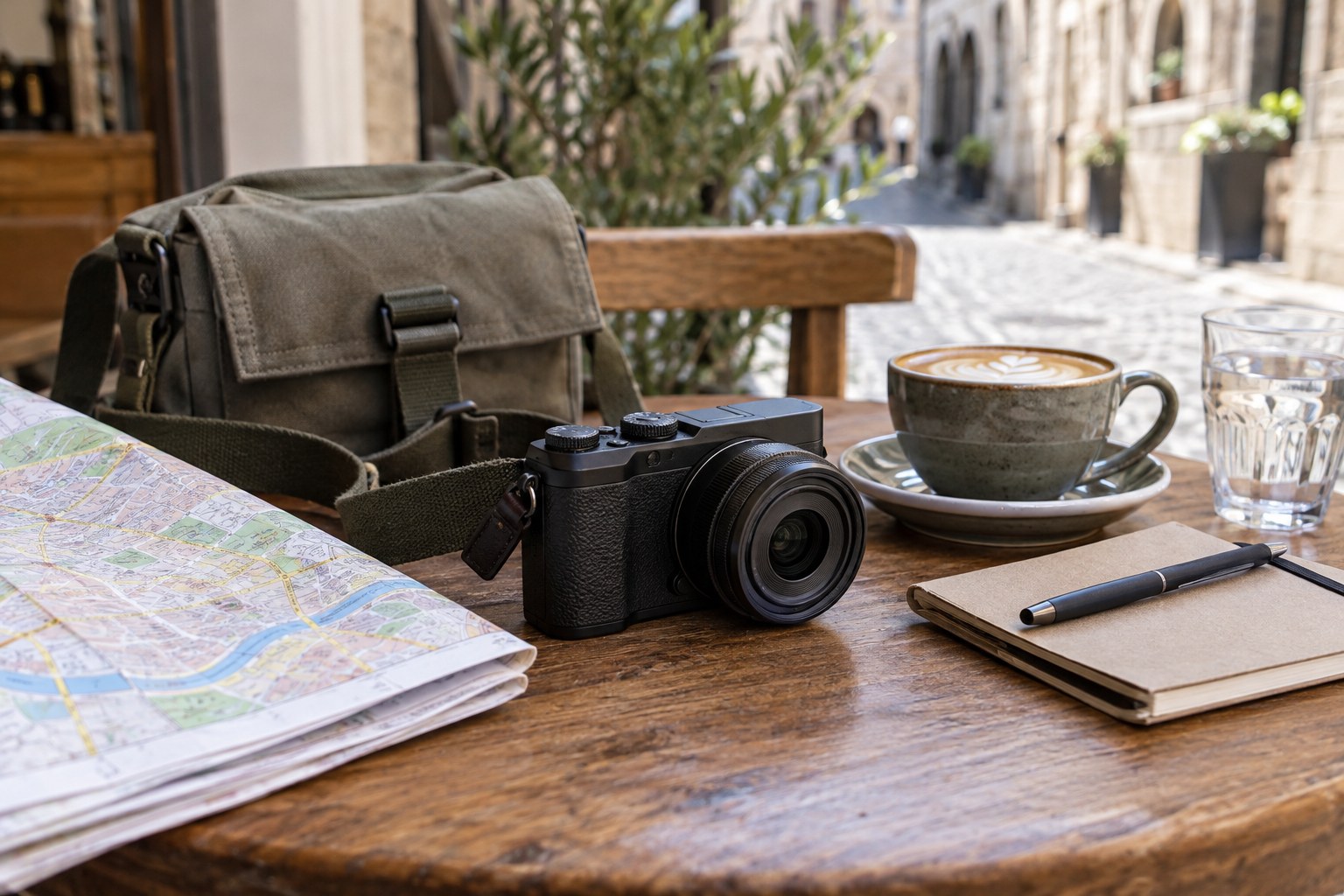
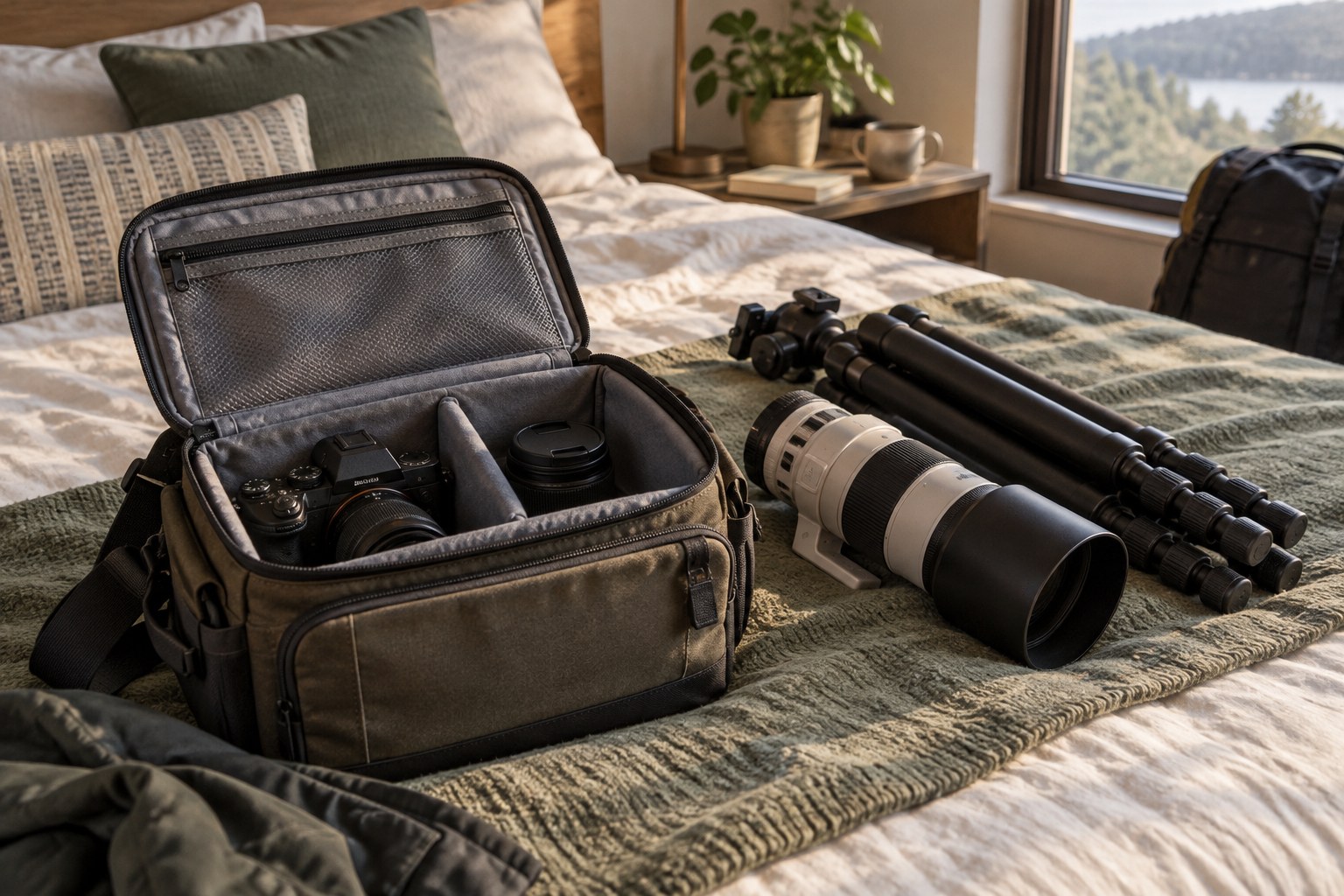
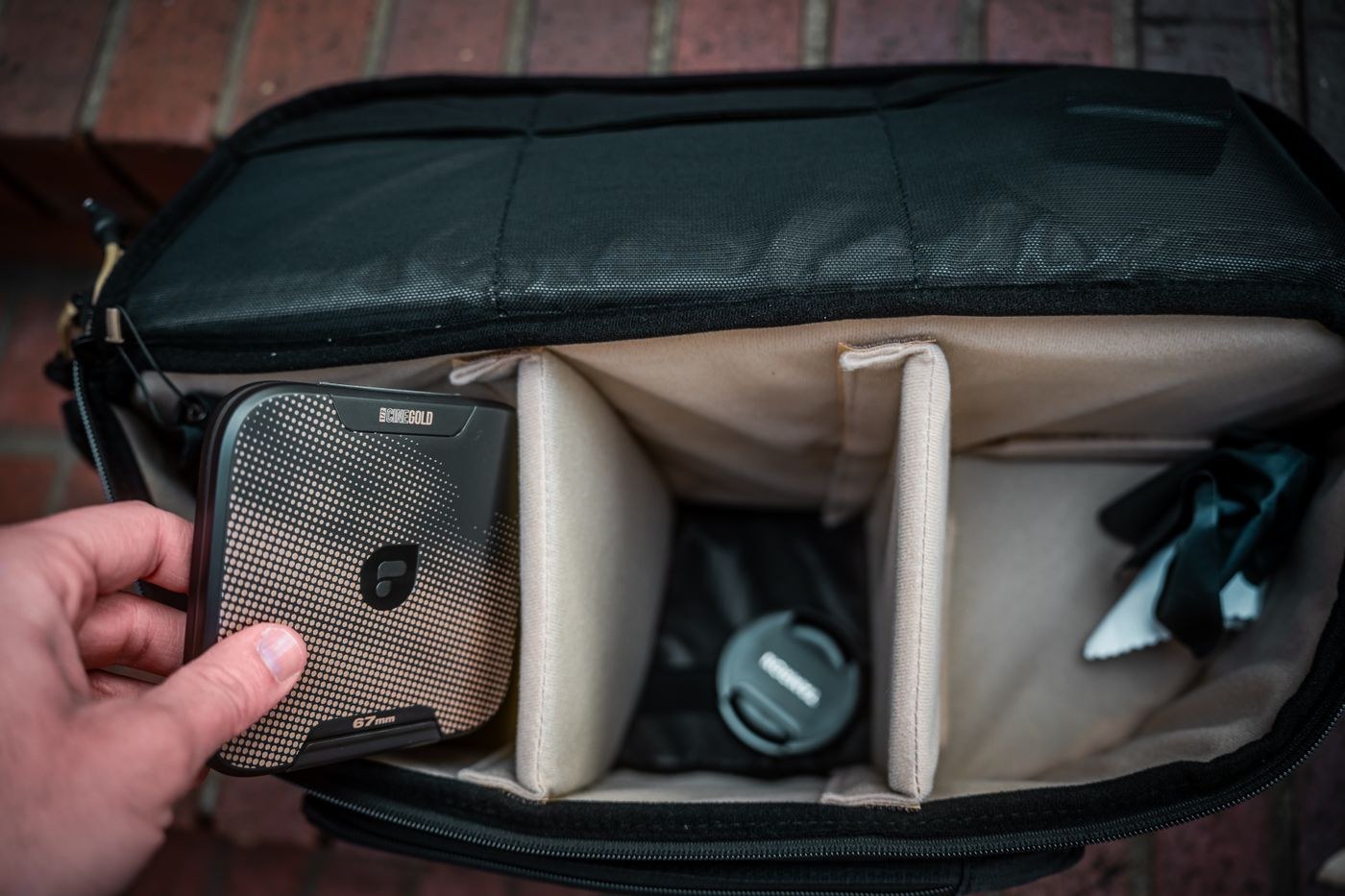
Match a camera bag to a short route, the equipment you will actually use and the way you prefer to access it.
Cameras & accessories
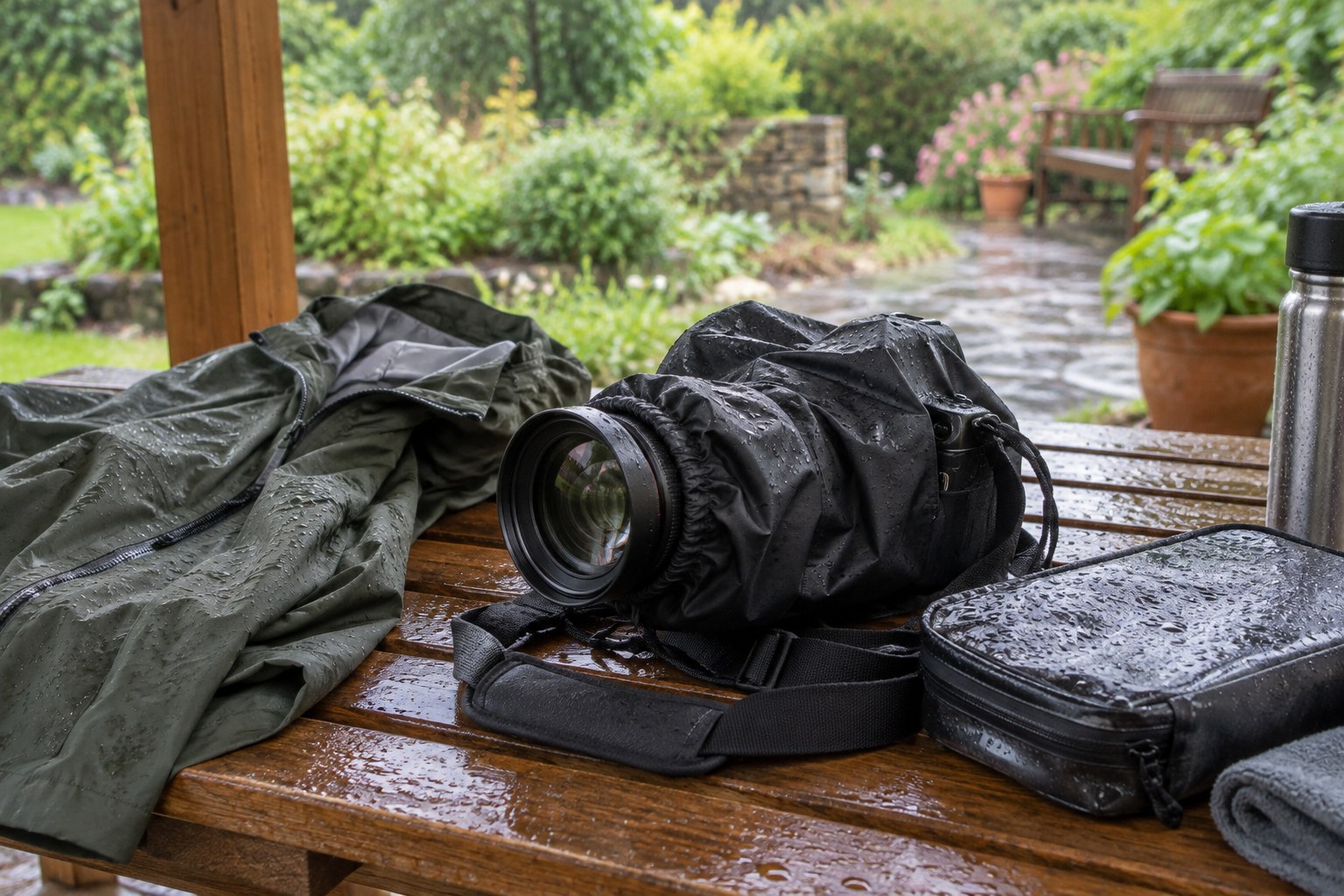
Prepare rain protection, access and drying routines before taking a camera into wet conditions.
Cameras & accessories
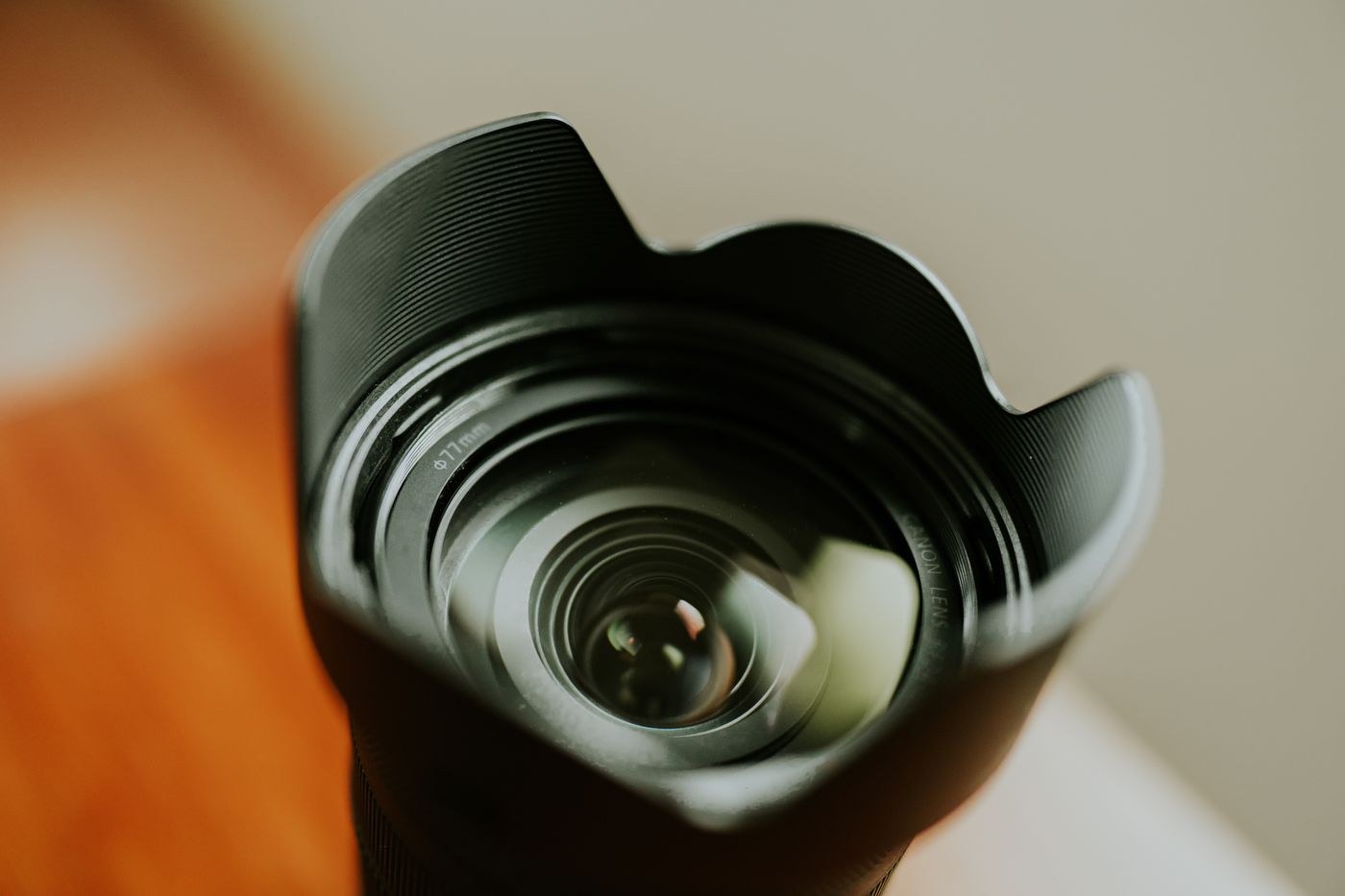
Use the correct hood to reduce stray light, and check when its shape or position creates a problem.
Cameras & accessories
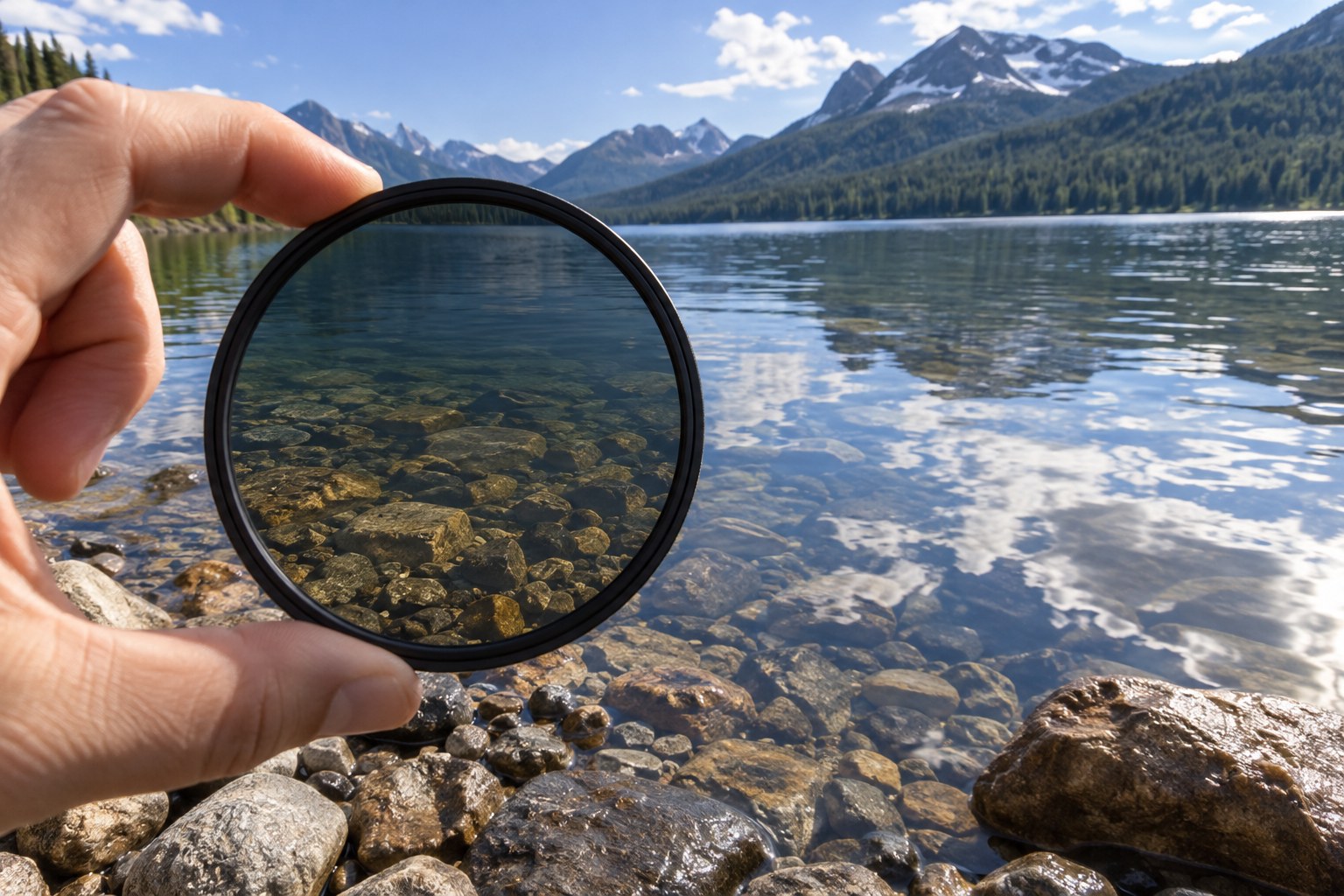
Judge a polariser by the reflection or sky area it changes, not by whether the strongest setting looks dramatic.
Cameras & accessories
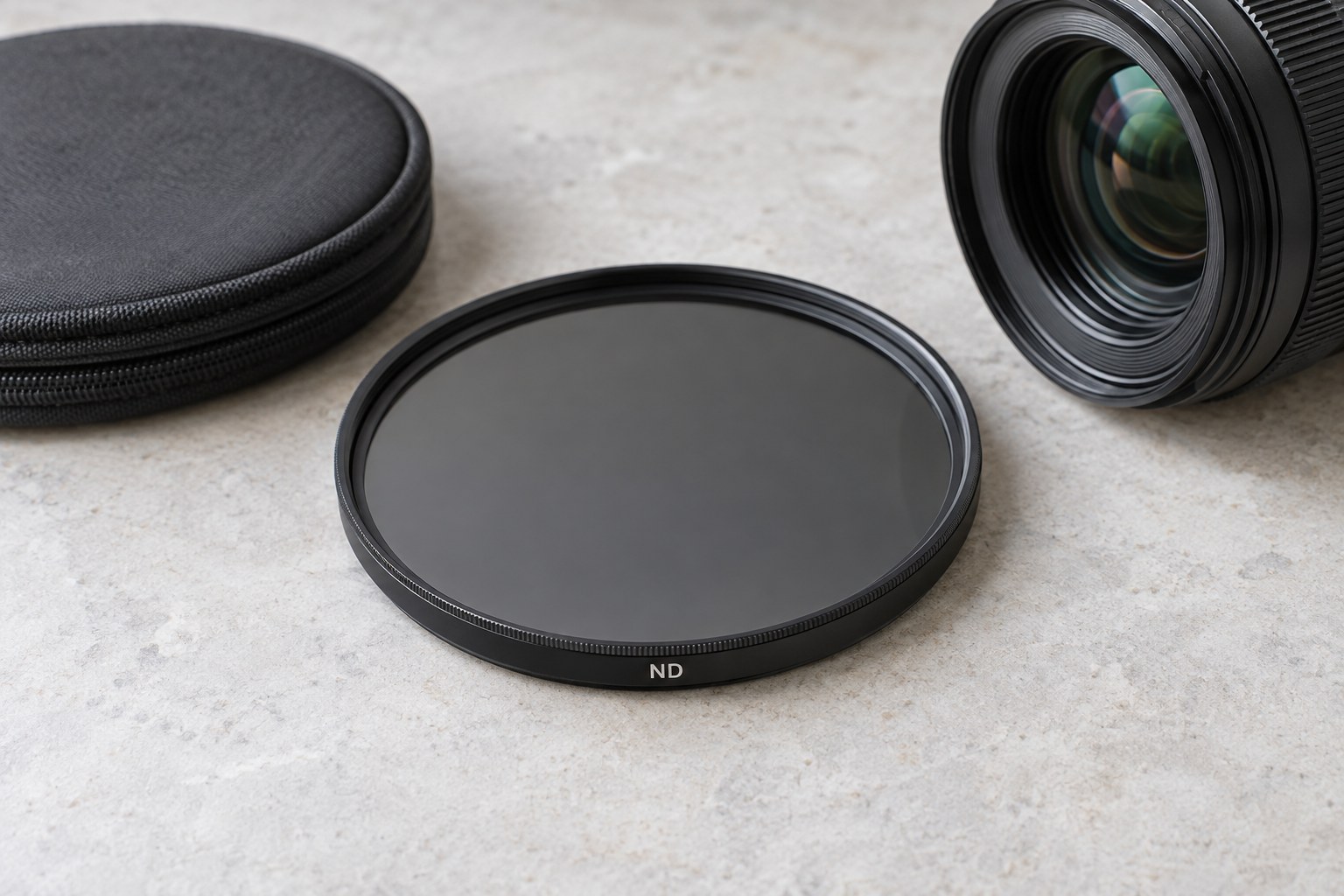
Translate a desired shutter speed into filter strength, then check the practical limits of the lens and filter combination.
Cameras & accessories
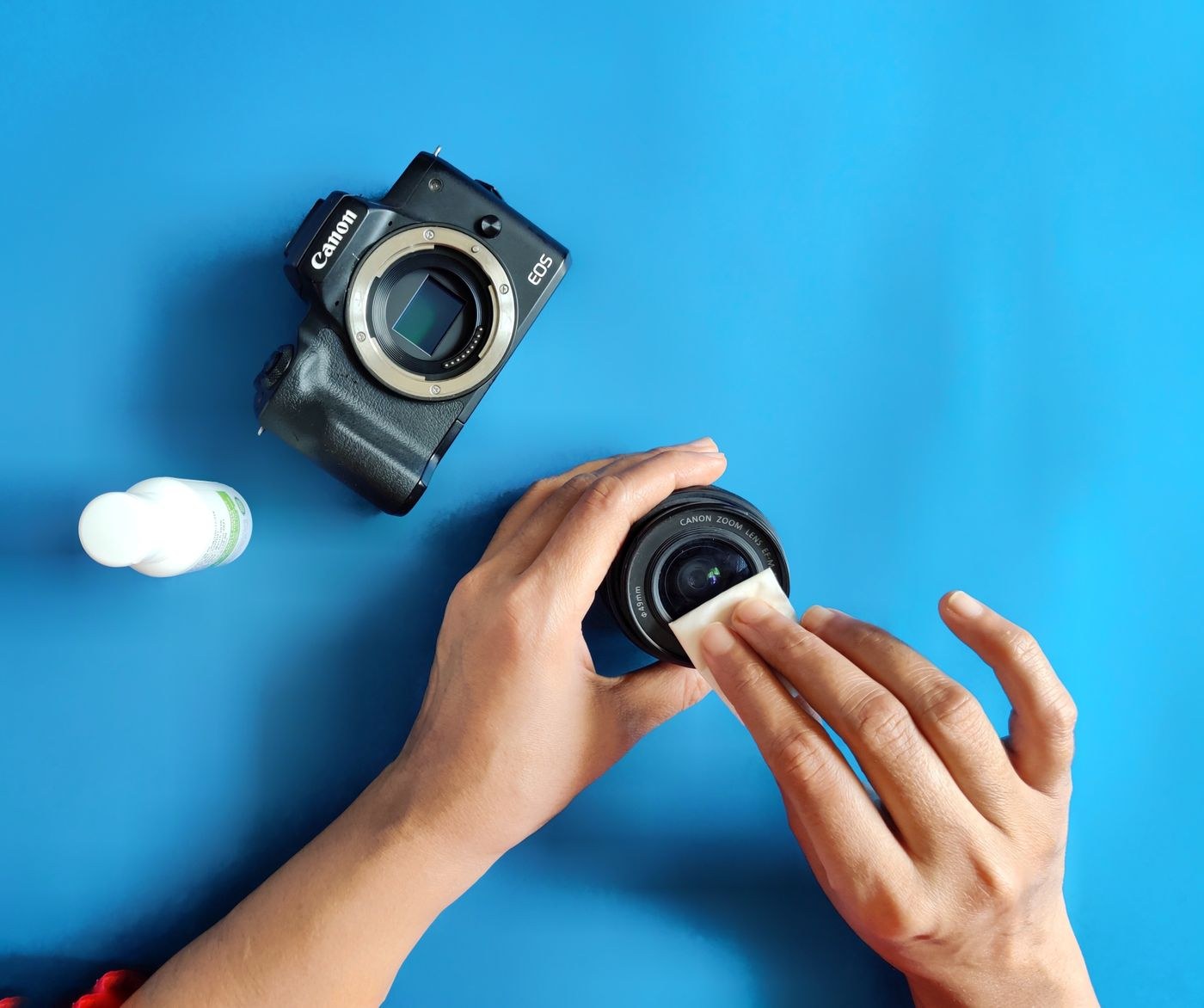
Carry a few suitable cleaning tools and remove loose grit before touching the optical surface.
Cameras & accessories
Estimate power needs from the way you photograph, then organise charged and used batteries so the plan remains usable outdoors.
Cameras & accessories
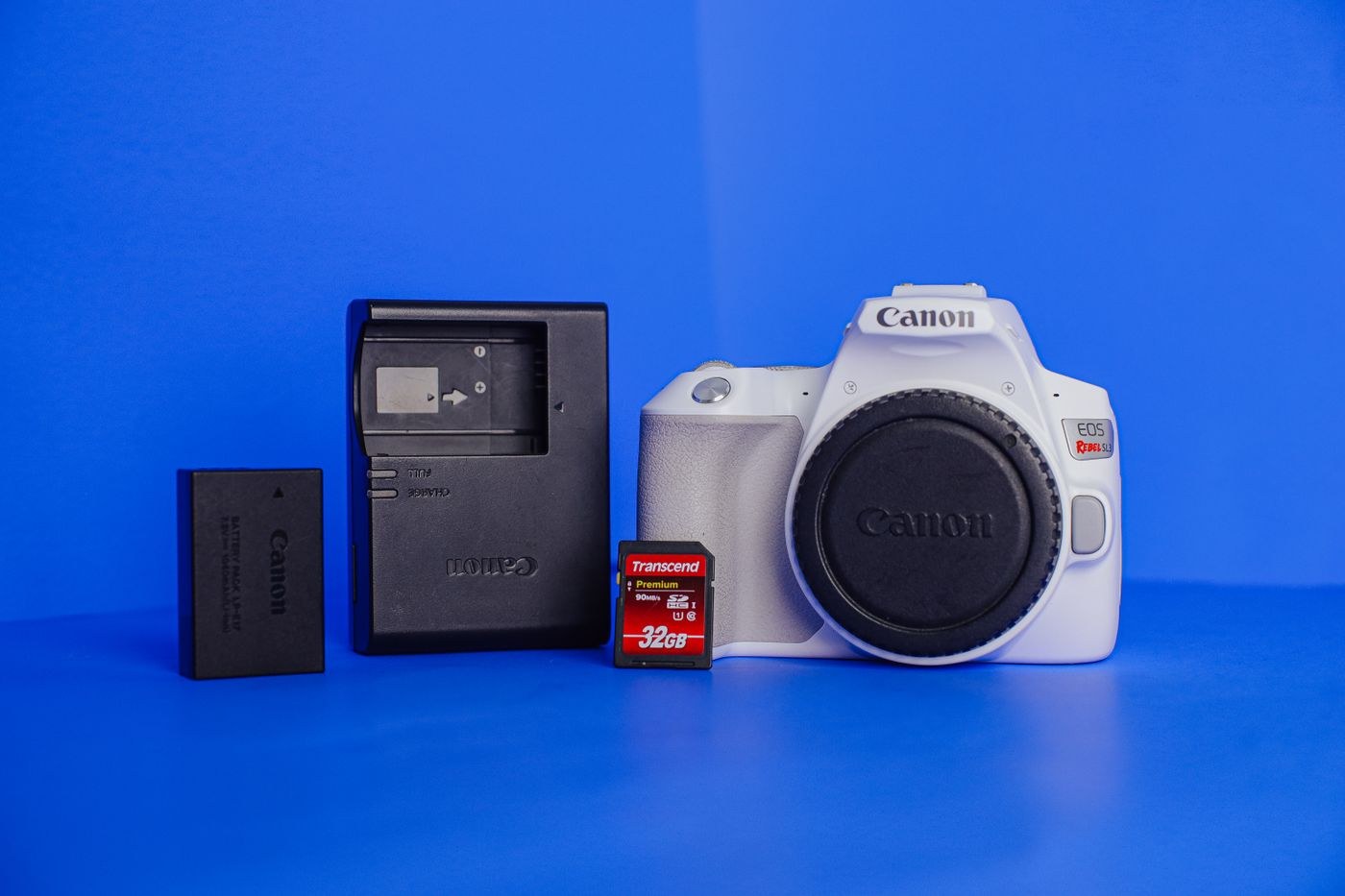
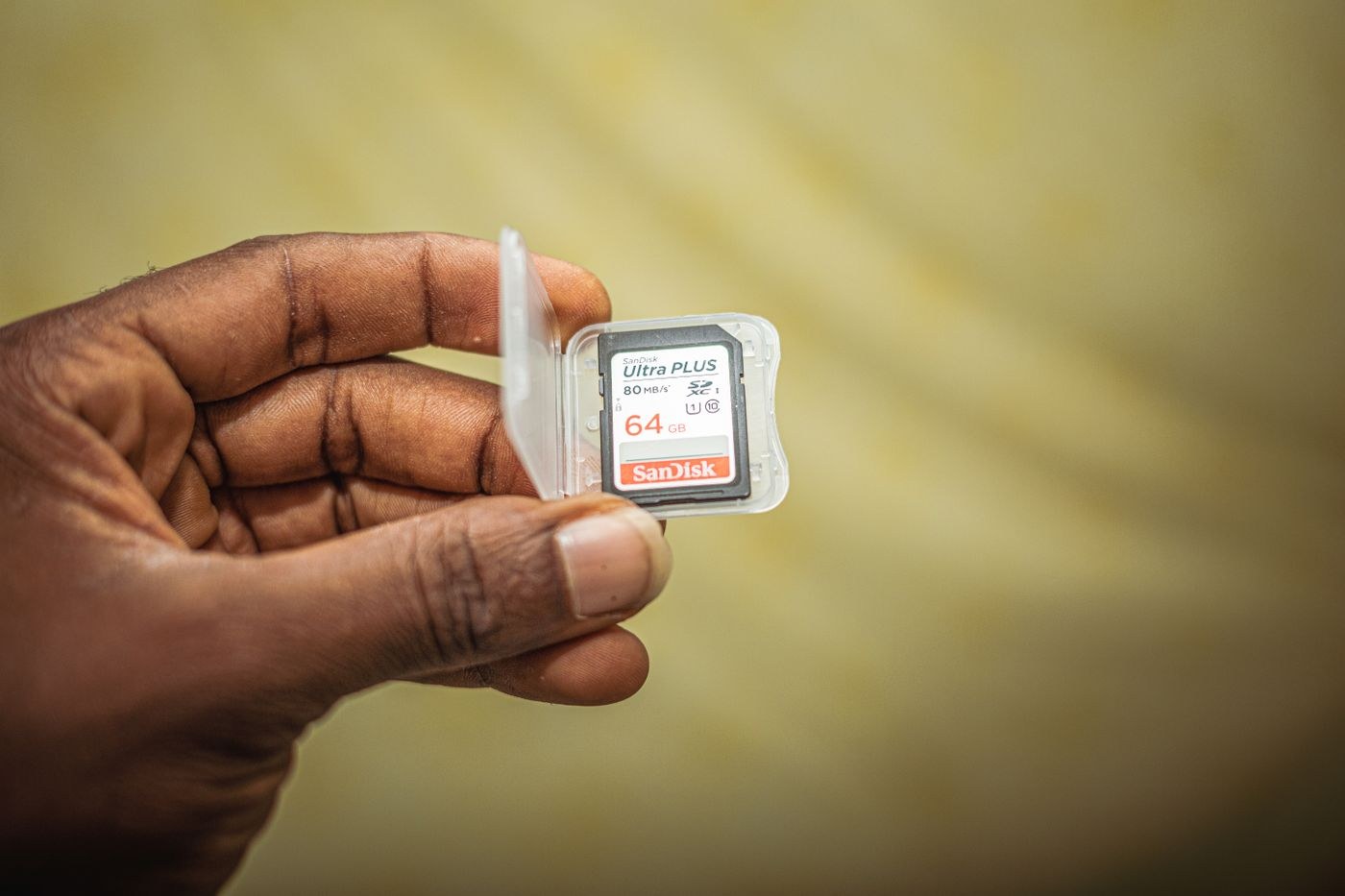
Read the camera's card requirements before comparing capacity or the largest speed number printed on a package.
Cameras & accessories
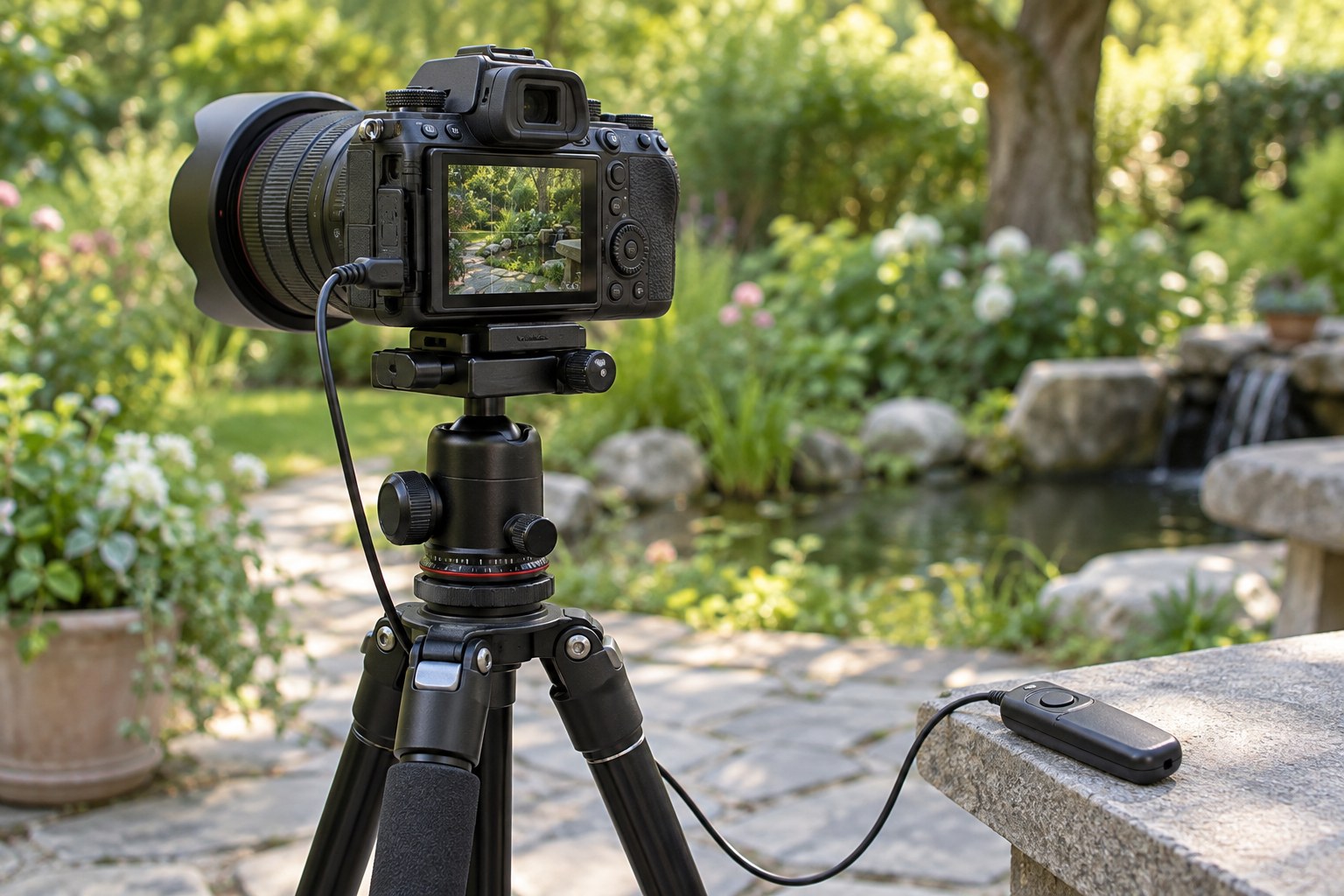
Use a compatible release method to avoid disturbing a supported camera, then check the full exposure sequence.
Cameras & accessories
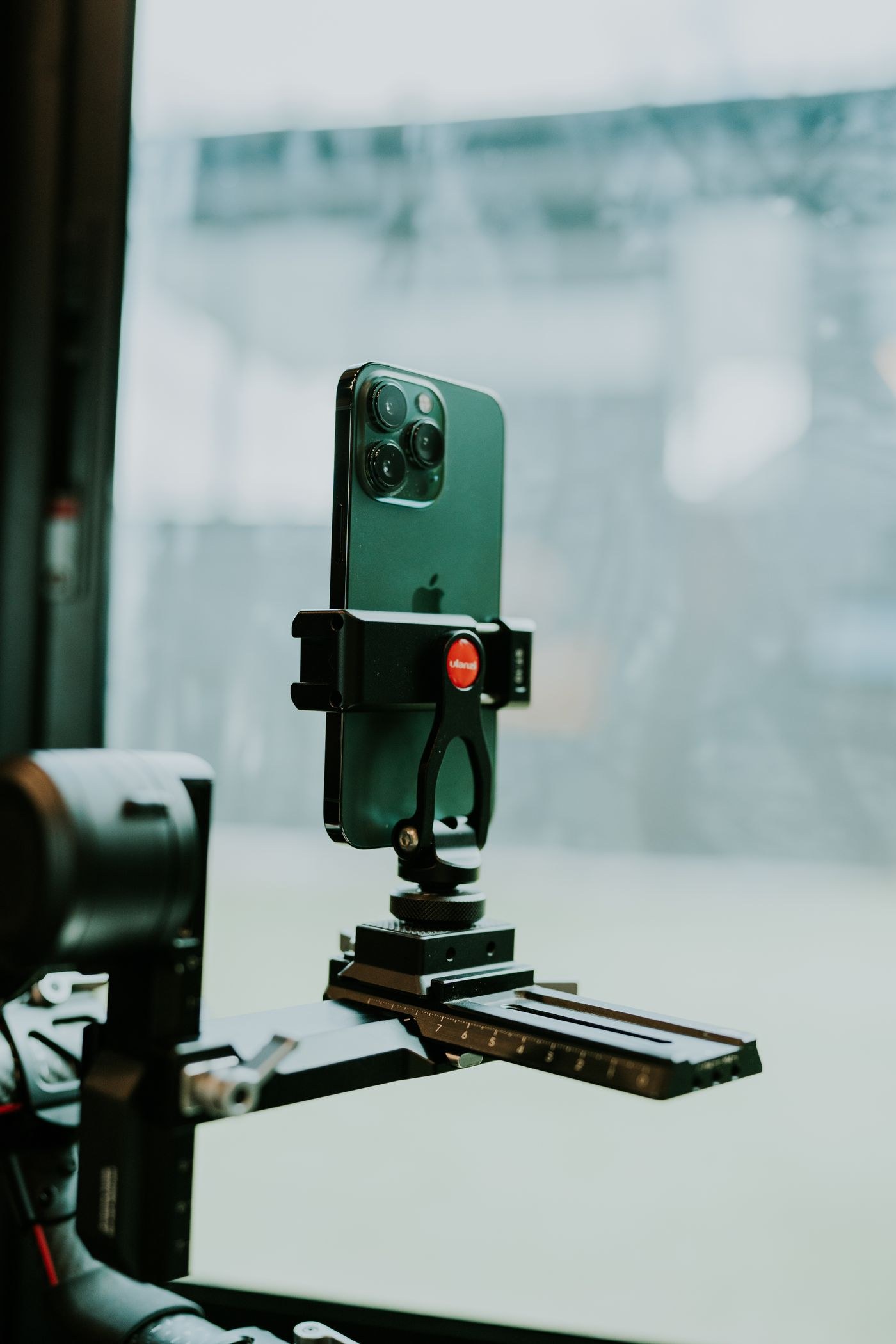
Secure a phone in a clamp while keeping lenses, controls and the support's balance clear.
Cameras & accessories
Choose a strap around carrying position, attachment security and the way you bring the camera to your eye.
Cameras & accessories
A fixed focal length turns a walk into an exercise in position, distance and selection rather than constant equipment changes.
Cameras & accessories
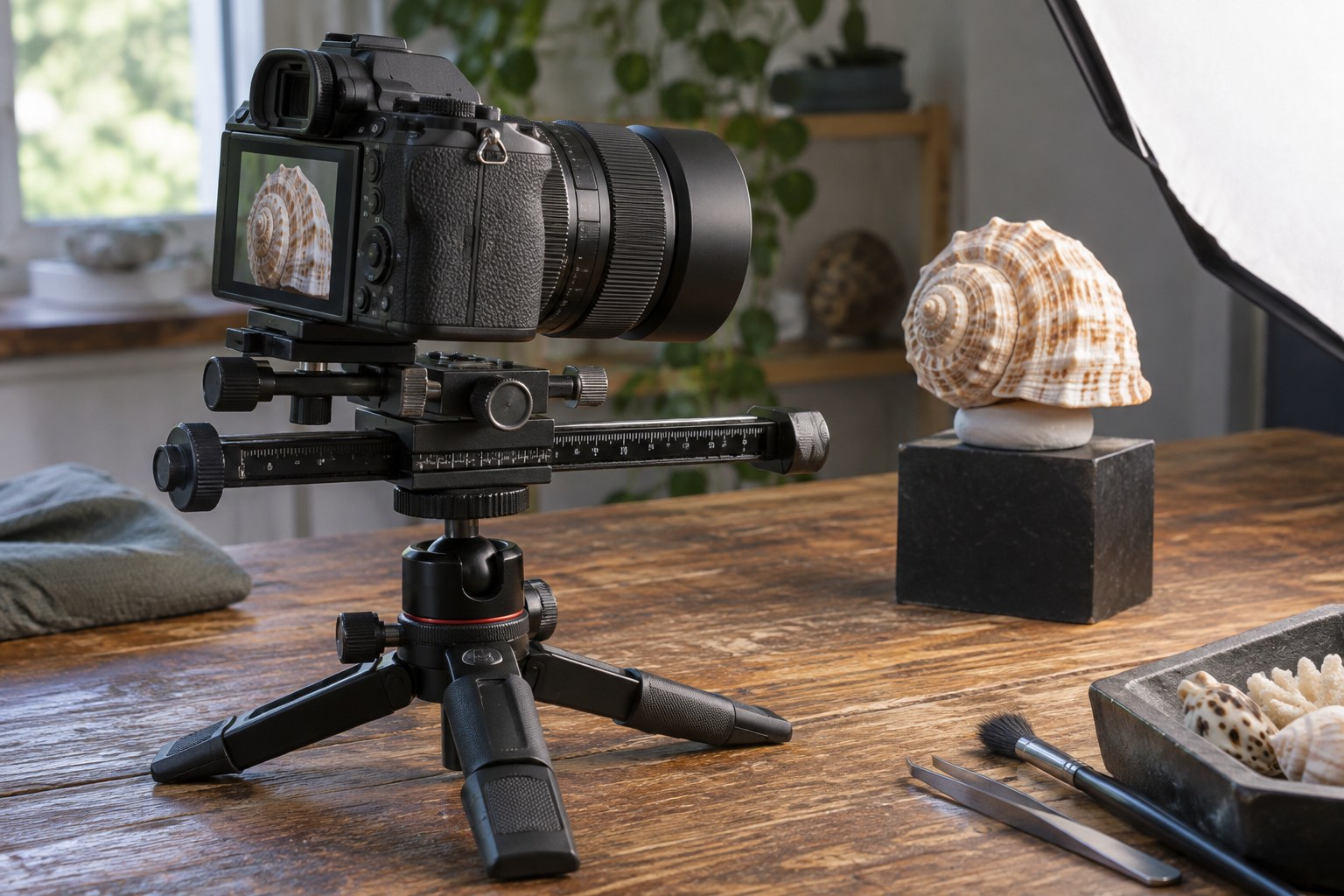
For close subjects, a support must control position as well as vibration. Begin with the working distance and the surface beneath the camera.
Cameras & accessories
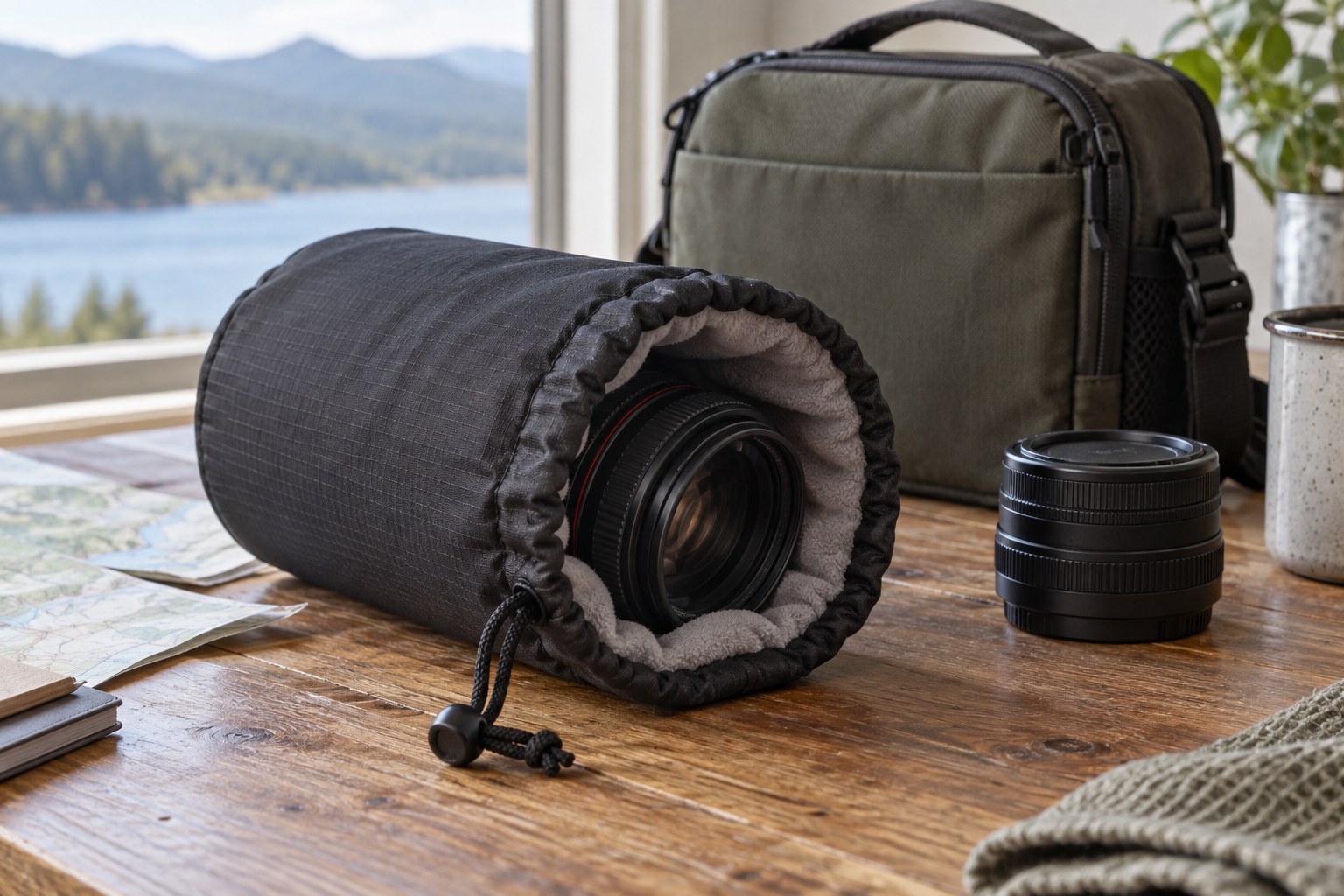
A lens pouch should protect the lens without making every change slow. Test the packed kit, including caps and the way you actually carry it.
Cameras & accessories
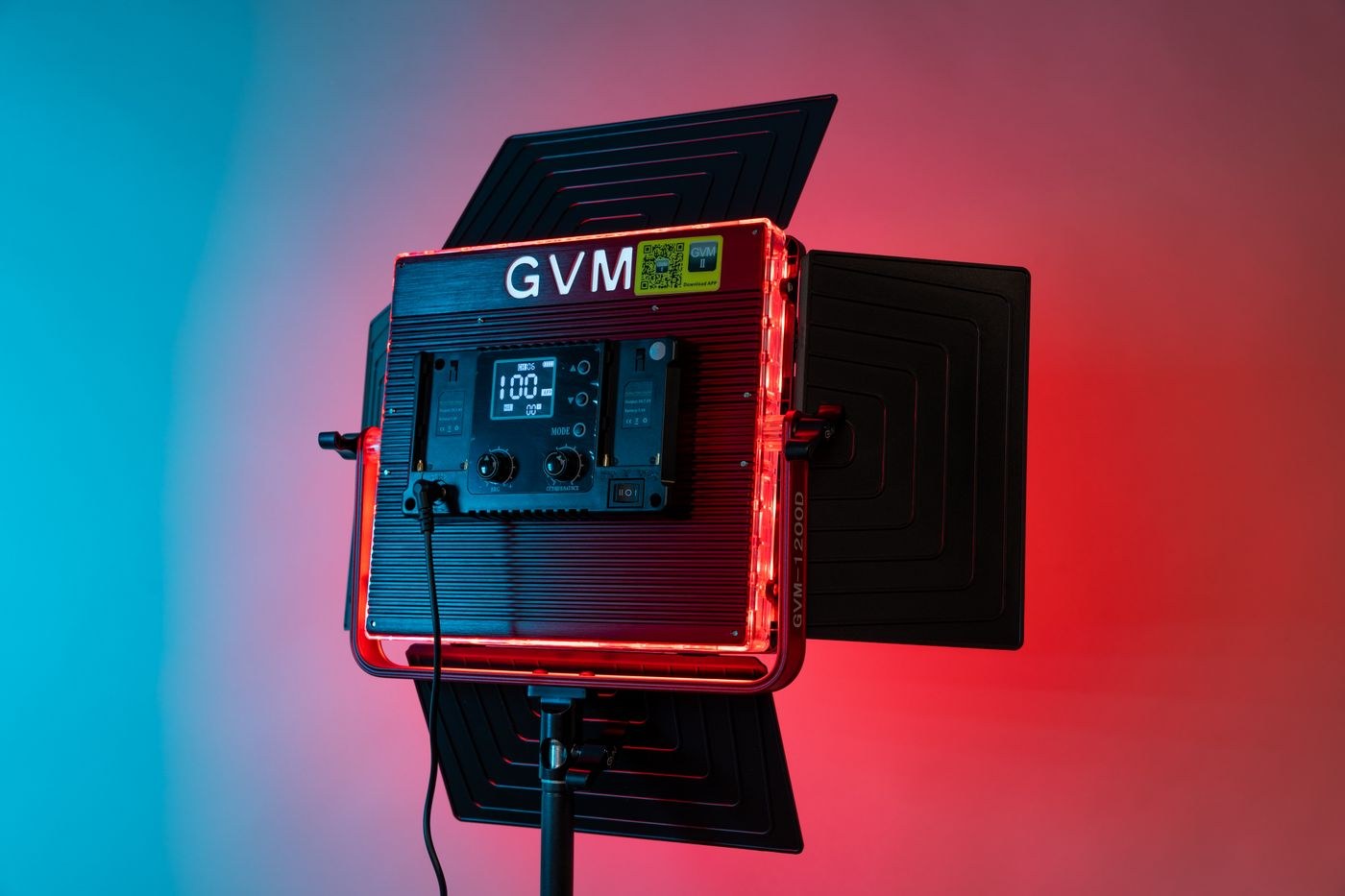
One small LED can reveal texture or create a distracting hotspot. Its position and apparent size matter more than simply increasing brightness.
Cameras & accessories
A reflector redirects existing light; a second lamp introduces another source. Choose between them by the shadow problem you need to solve.
Cameras & accessories
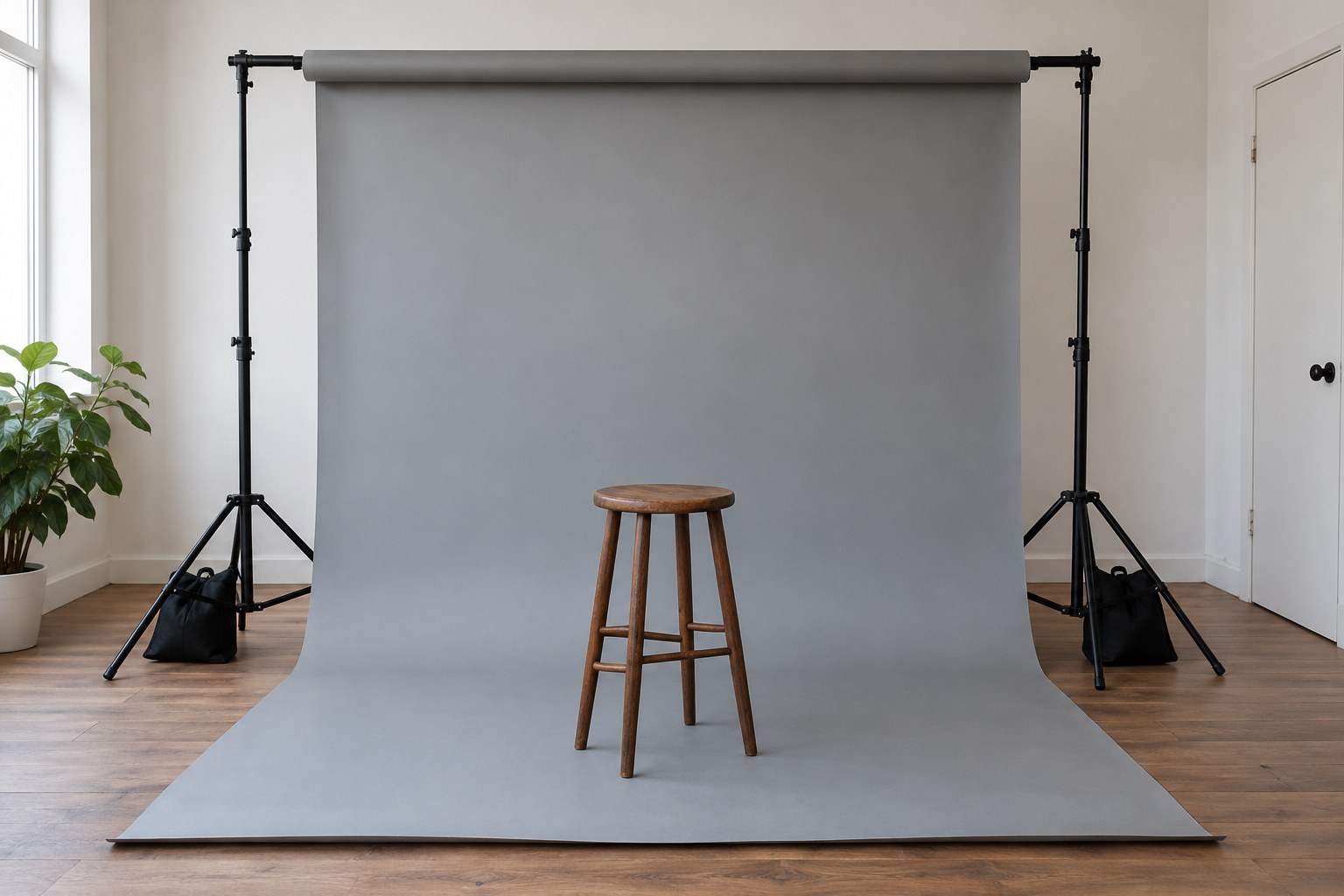
Measure the usable shooting area, not only the width of the wall, before choosing how to support a background.
Cameras & accessories
Prepare the camera around the moments and light of the event, then make it easy to return to a dependable starting setup.
Cameras & accessories
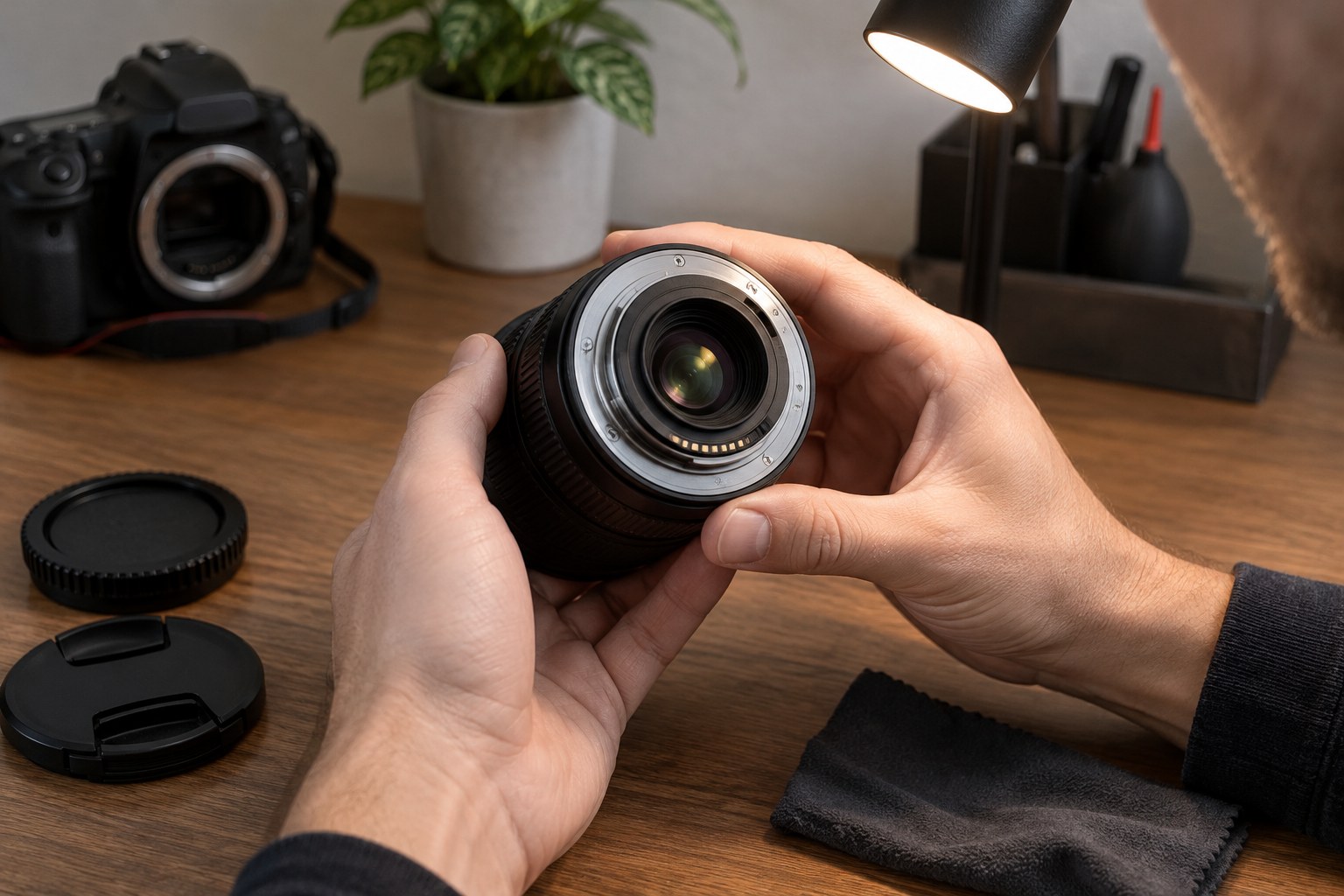
Inspect the lens as a working part of your own camera system. Cosmetic wear and an optical fault are different questions.
Cameras & accessories
Reduce a camera kit by deciding which photographs the outing is meant to produce, then remove equipment that has no clear job.
Cameras & accessories
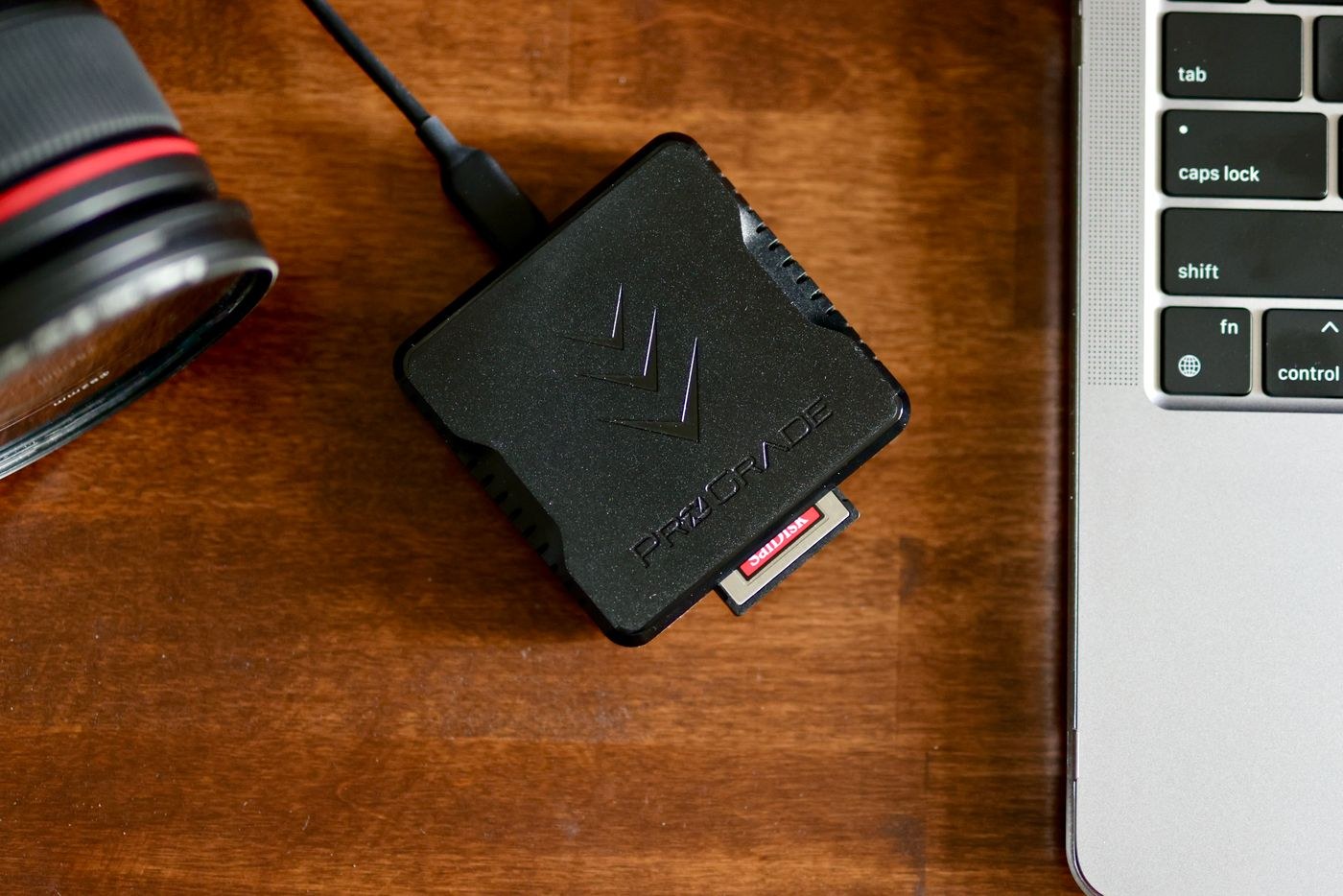
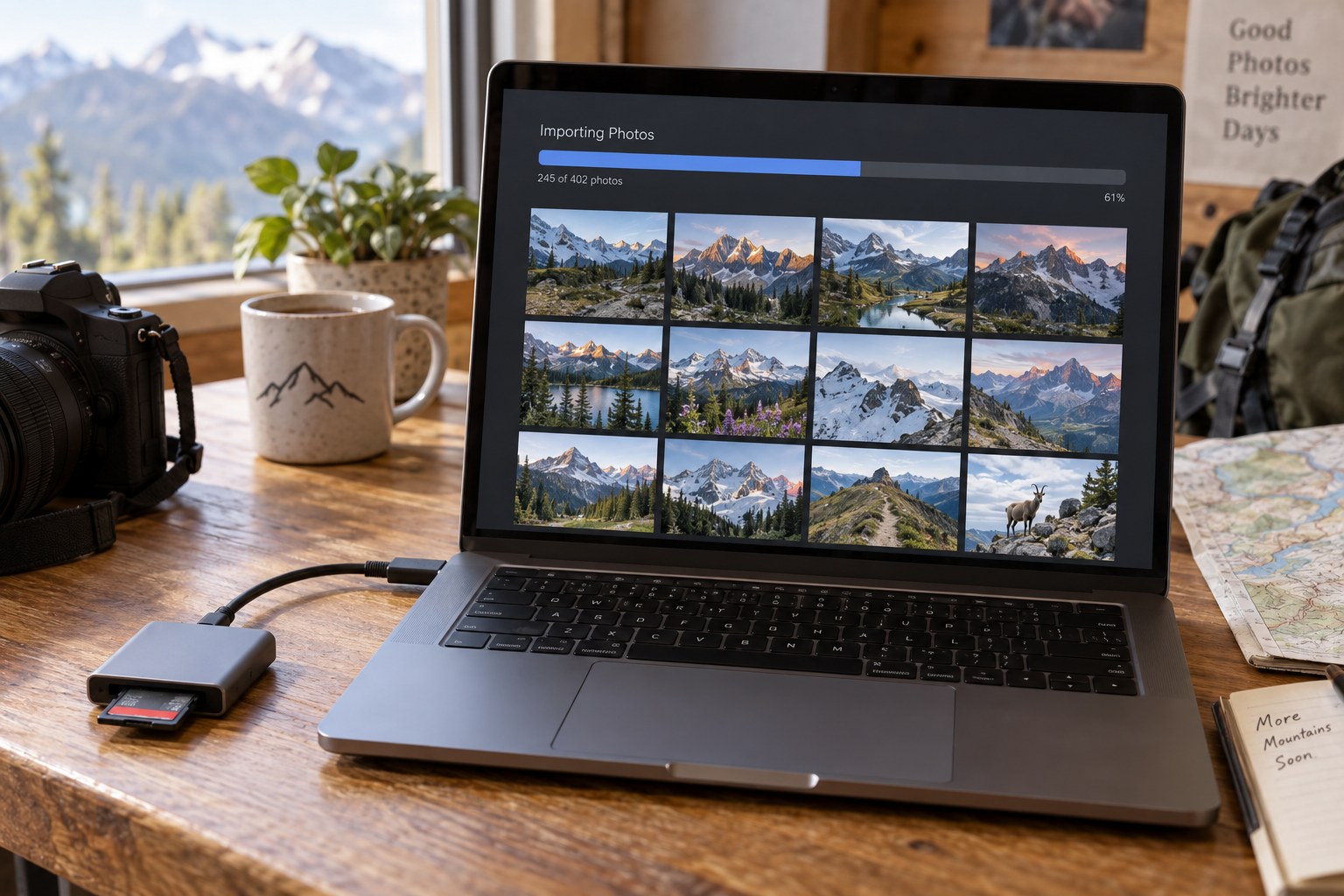
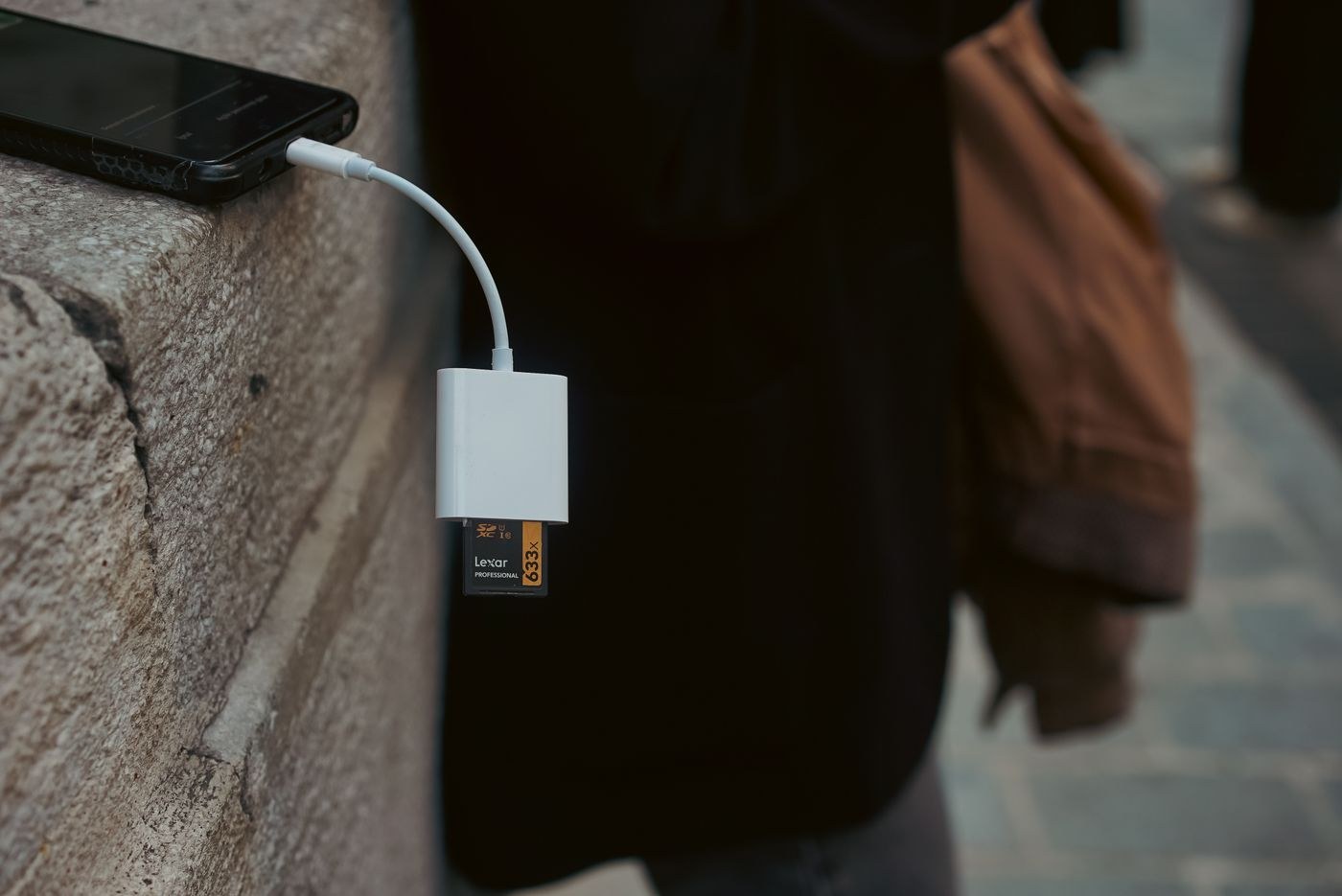
A repeatable import starts with a compatible reader, a known destination and a verification step before the card is reused.
Cameras & accessories
Organise desk cables around the transfers and connections you repeat, with enough slack to move equipment without pulling a plug.
Cameras & accessories
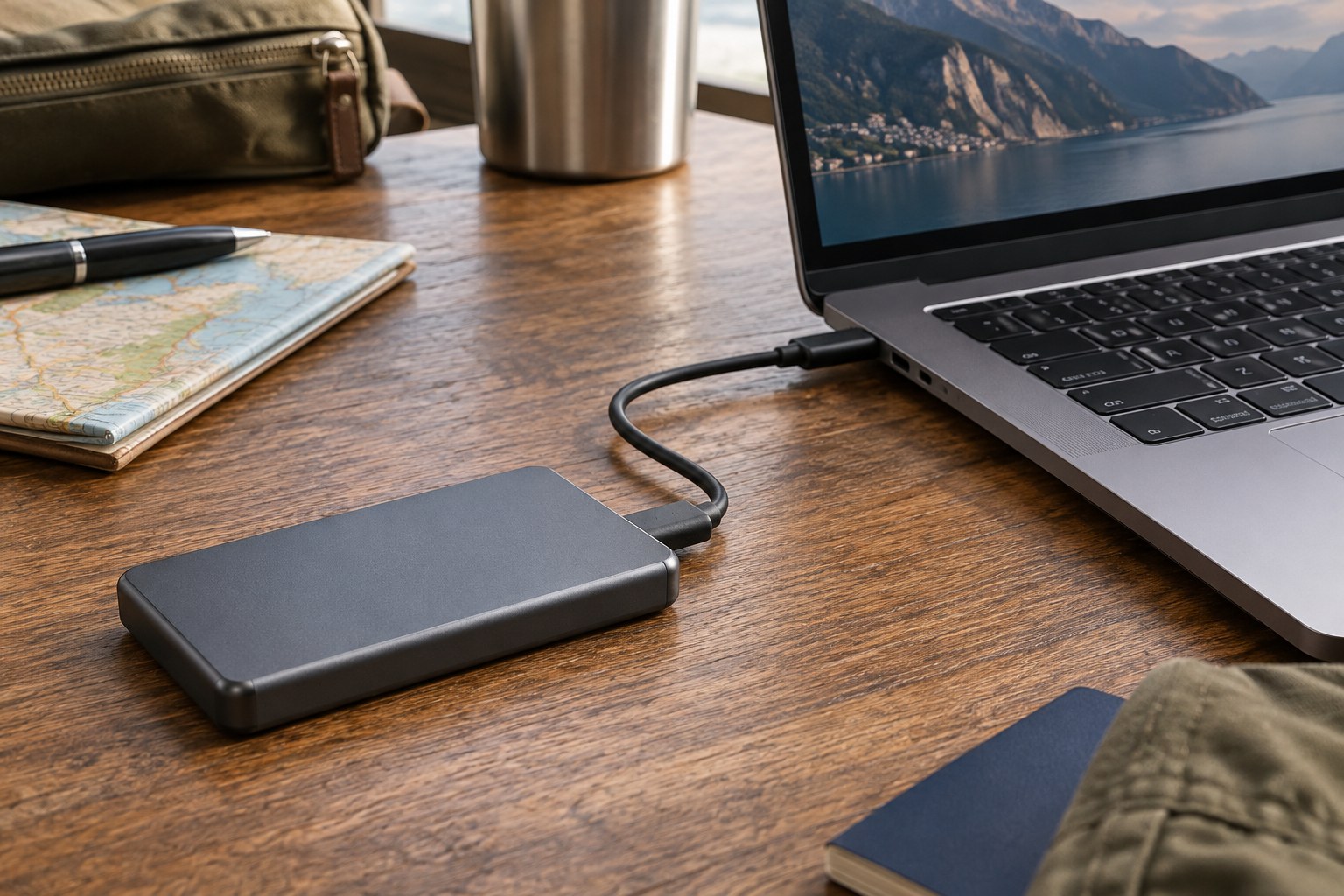
Choose a travel drive by the amount of data, the devices that must read it and the backup routine it will support.
Photographing outside
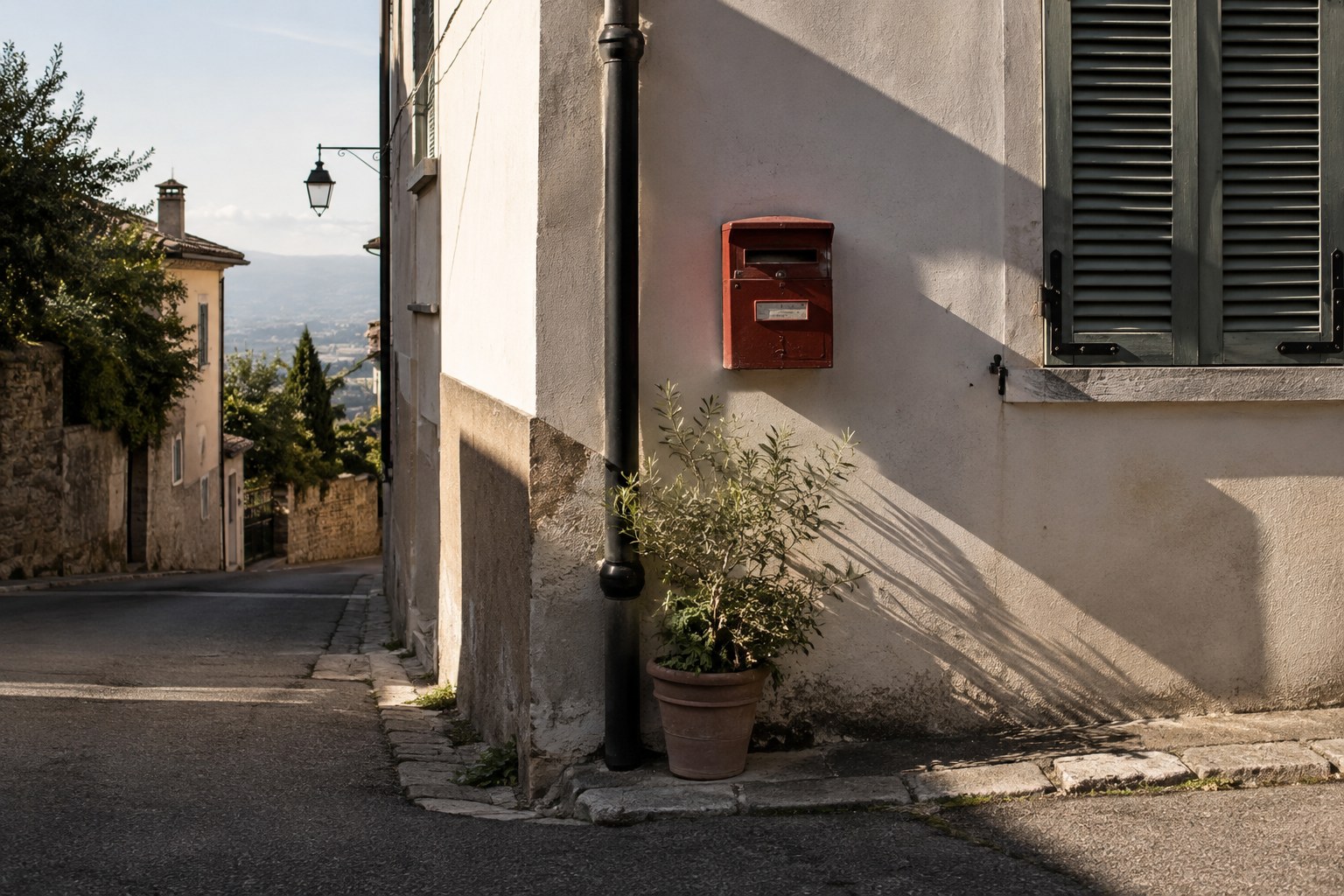
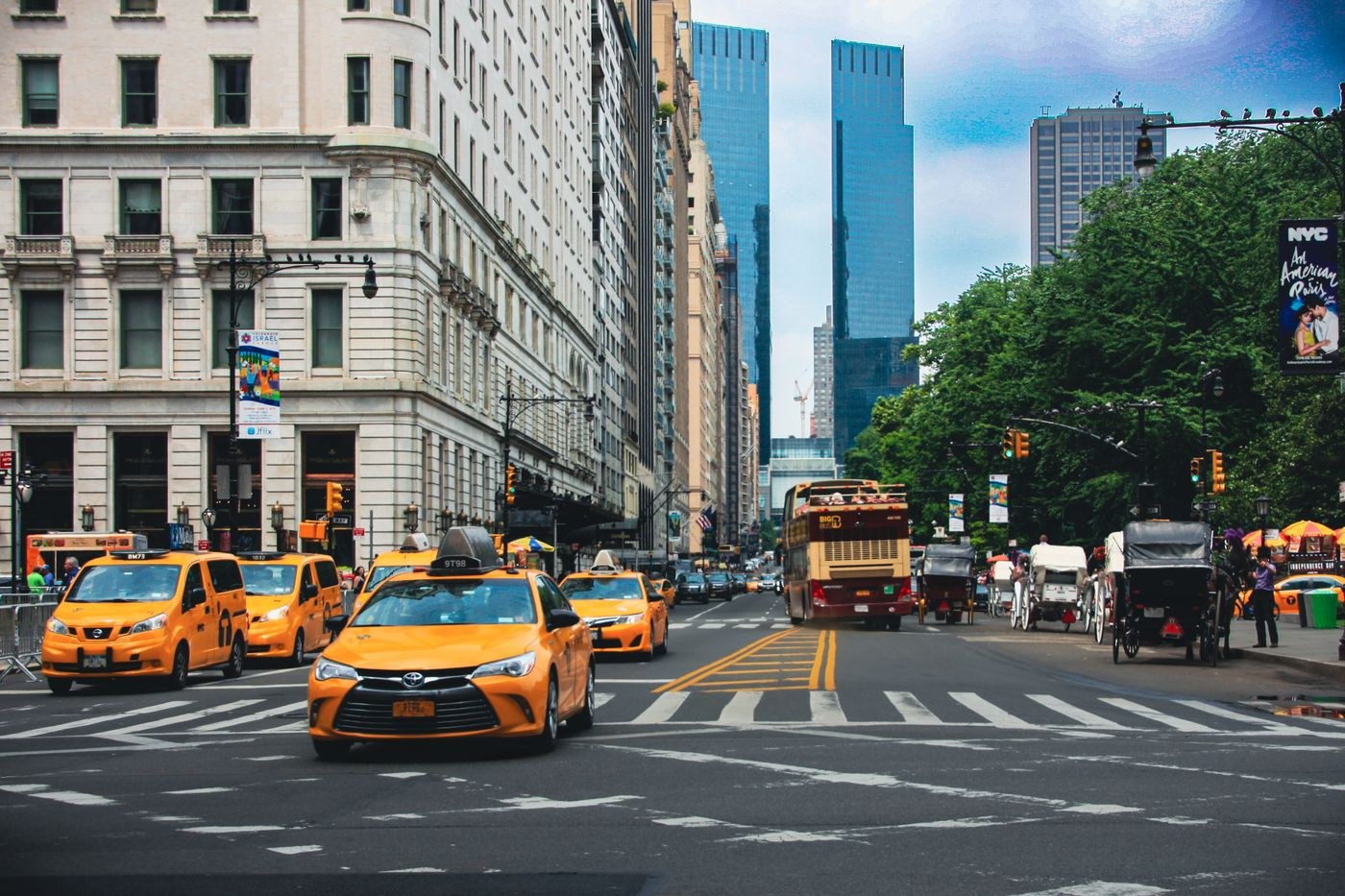
An ordinary street becomes photographable when you choose a relationship to observe instead of waiting for an exceptional landmark.
Photographing outside
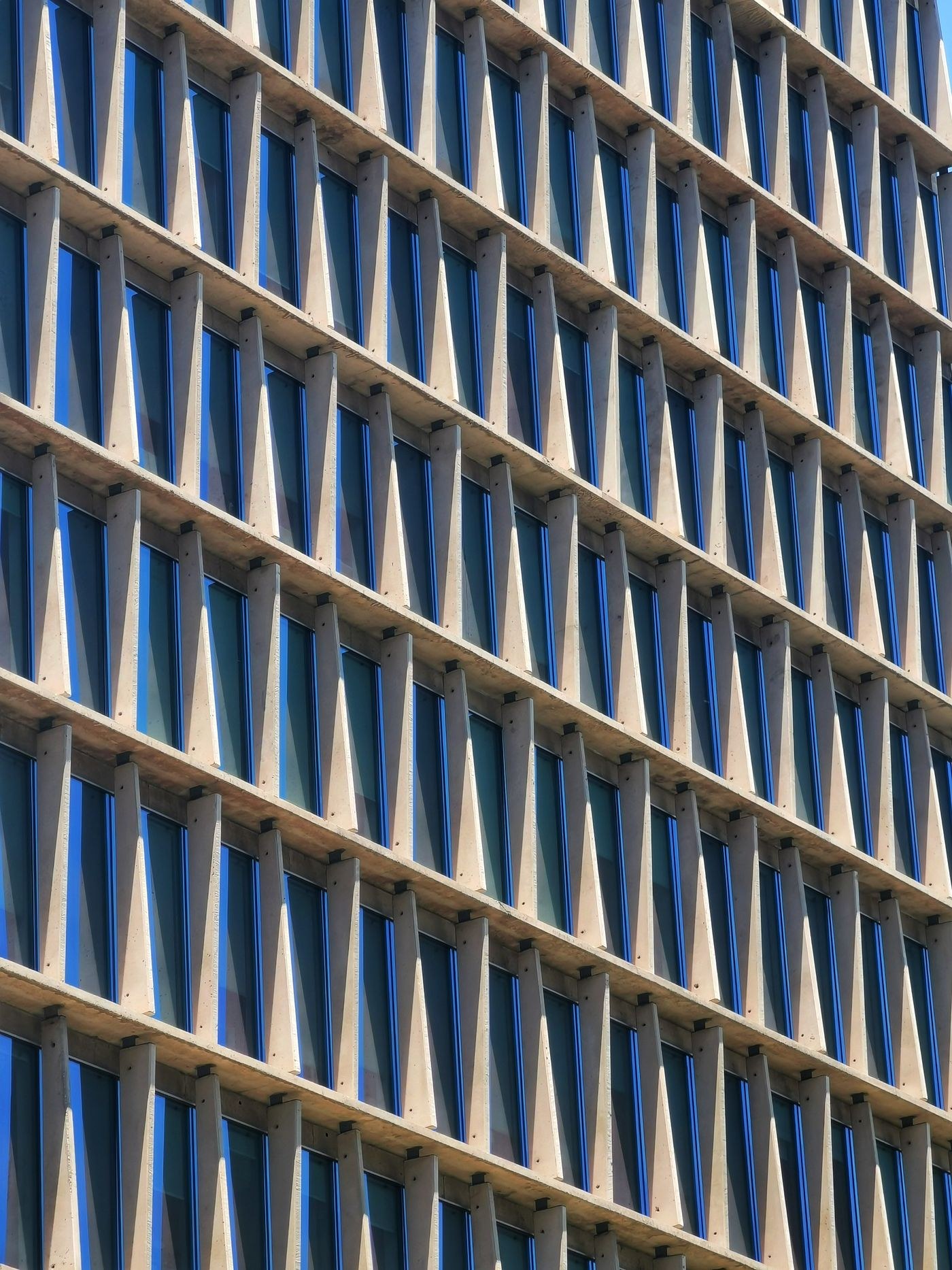
Separate a tilted horizon from converging verticals before trying to straighten an architectural photograph.
Photographing outside
Following one colour gives a photo walk a clear constraint, but a coherent series needs more than repeated coloured objects.
Photographing outside
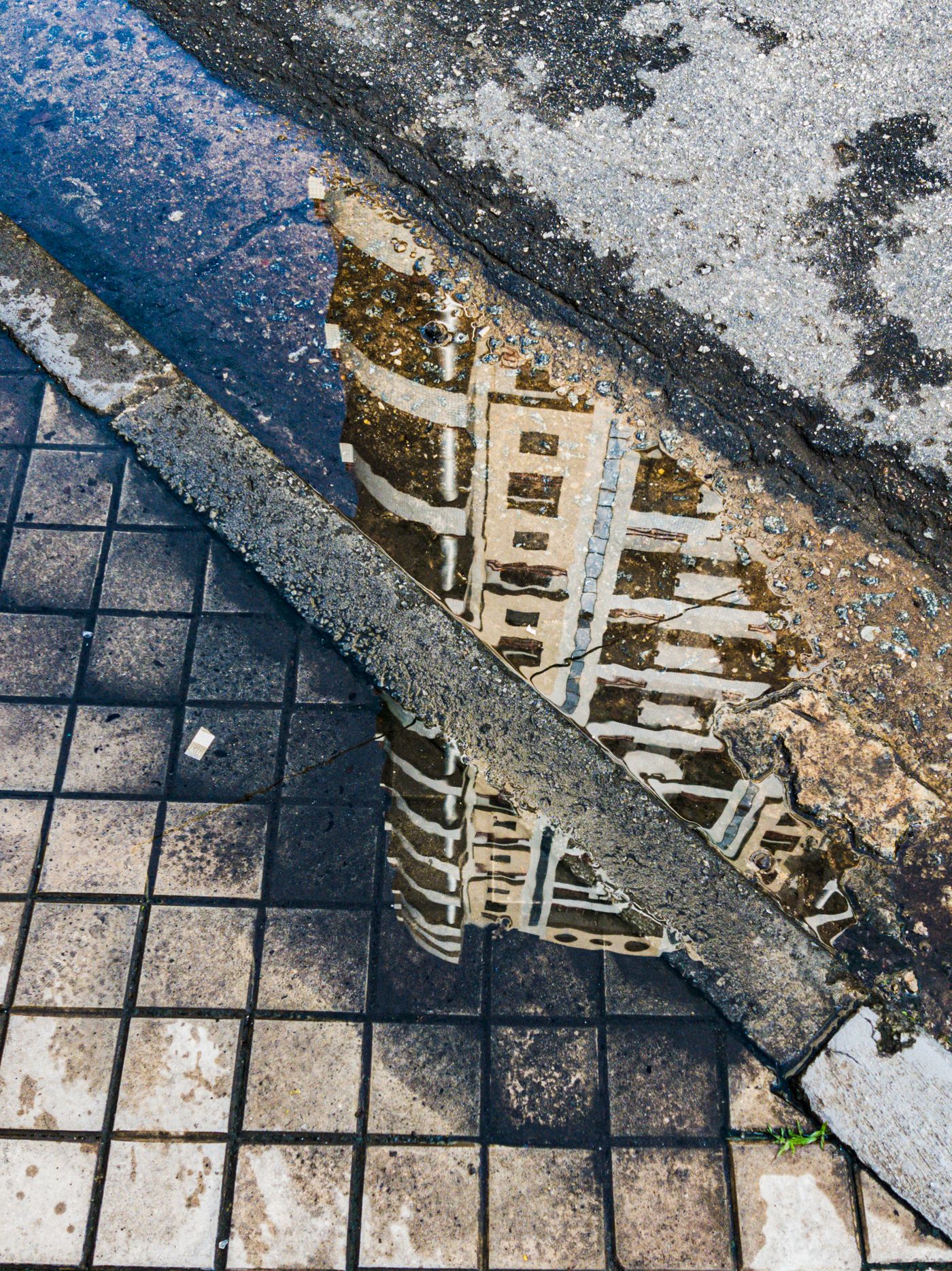
A small puddle can hold an entire façade. Camera height, focus and a clear edge determine whether the reflection becomes a subject or just a bright patch.
Photographing outside
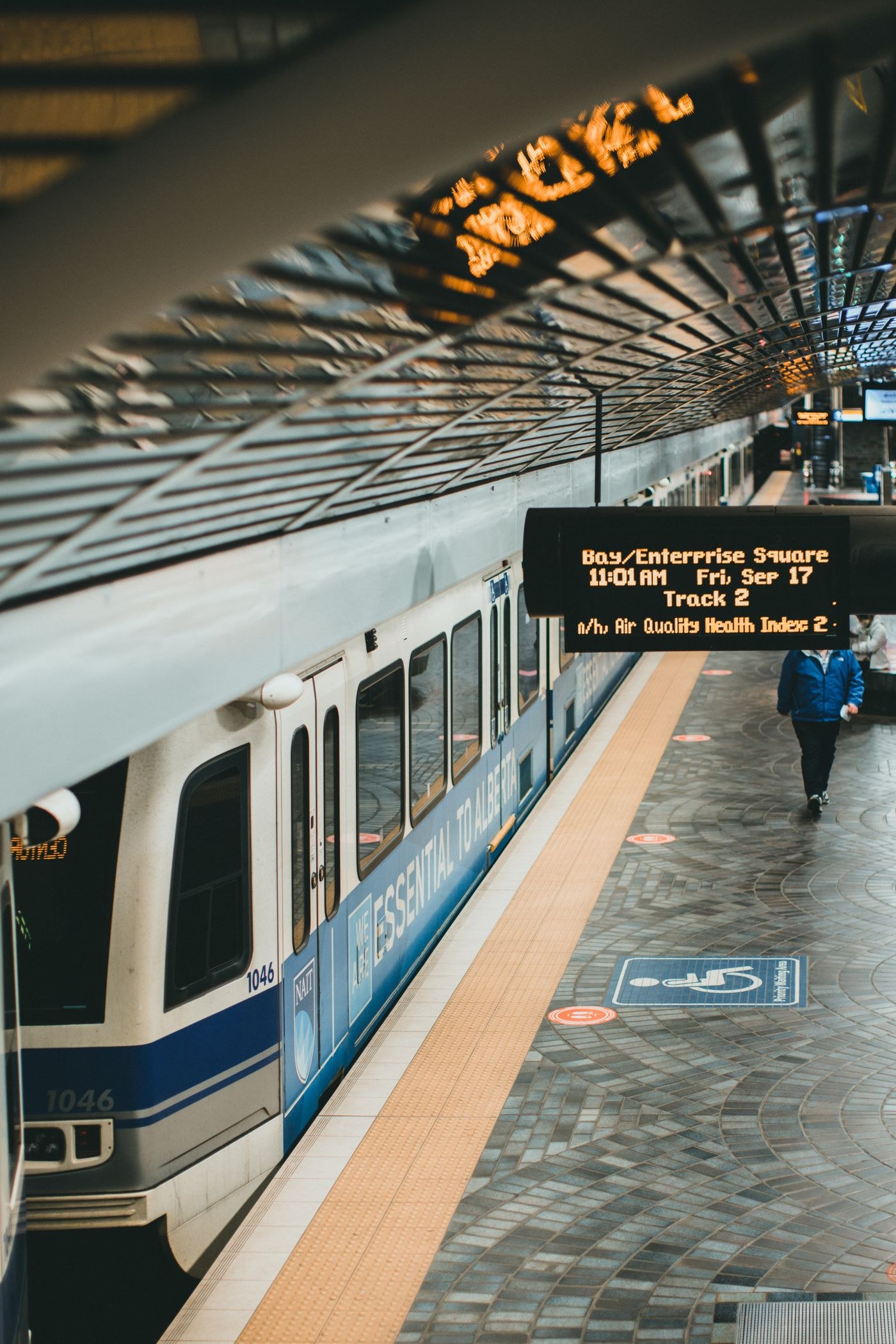
Choose a stationary viewpoint and a modest photographic aim so that a station's movement does not dictate every decision.
Photographing outside
Objects, surfaces and arrangements can describe a market without relying on a continuous stream of close portraits.
Photographing outside
A travel series feels connected when its photographs share an intention, while still changing scale, pace and subject.
Photographing outside
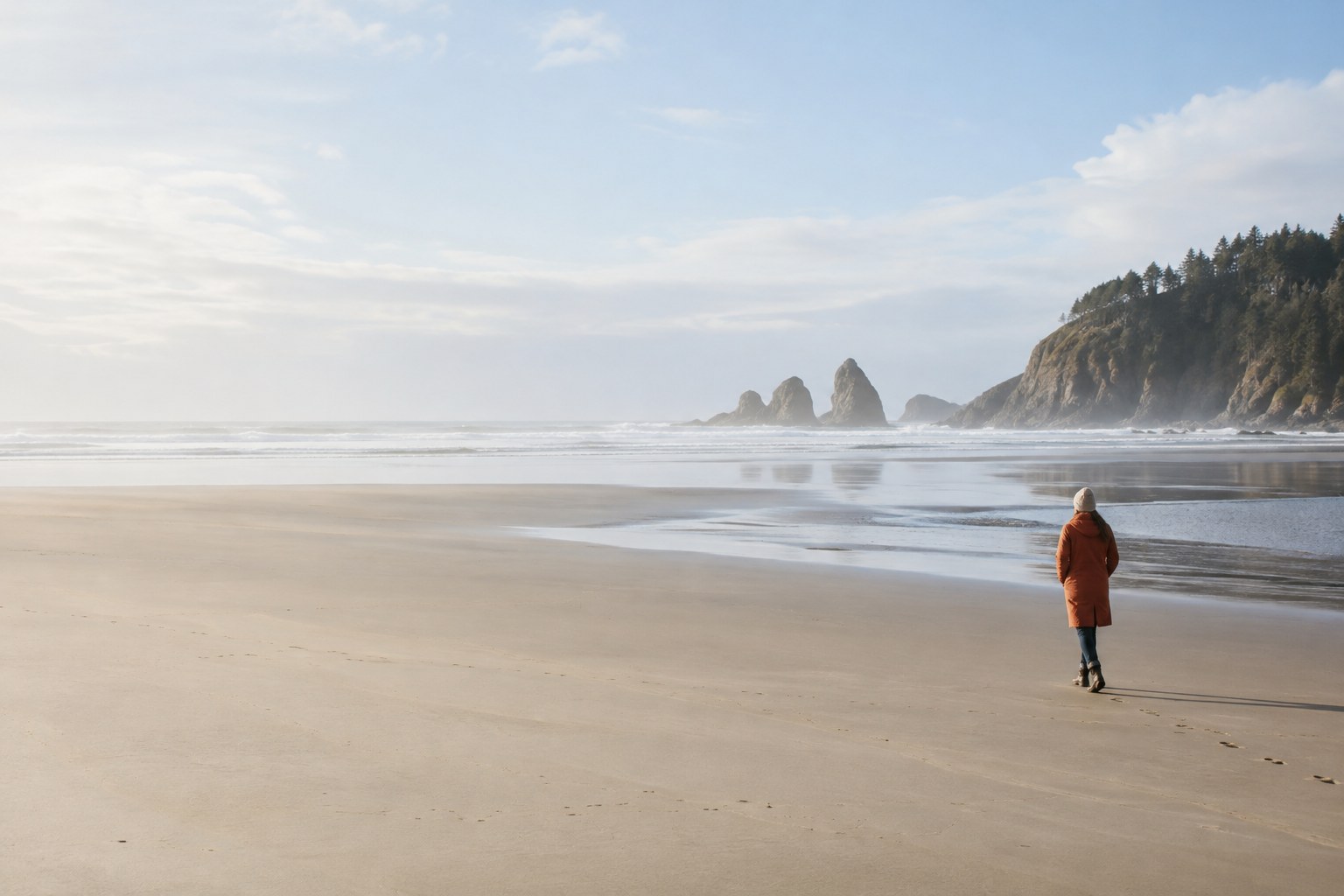
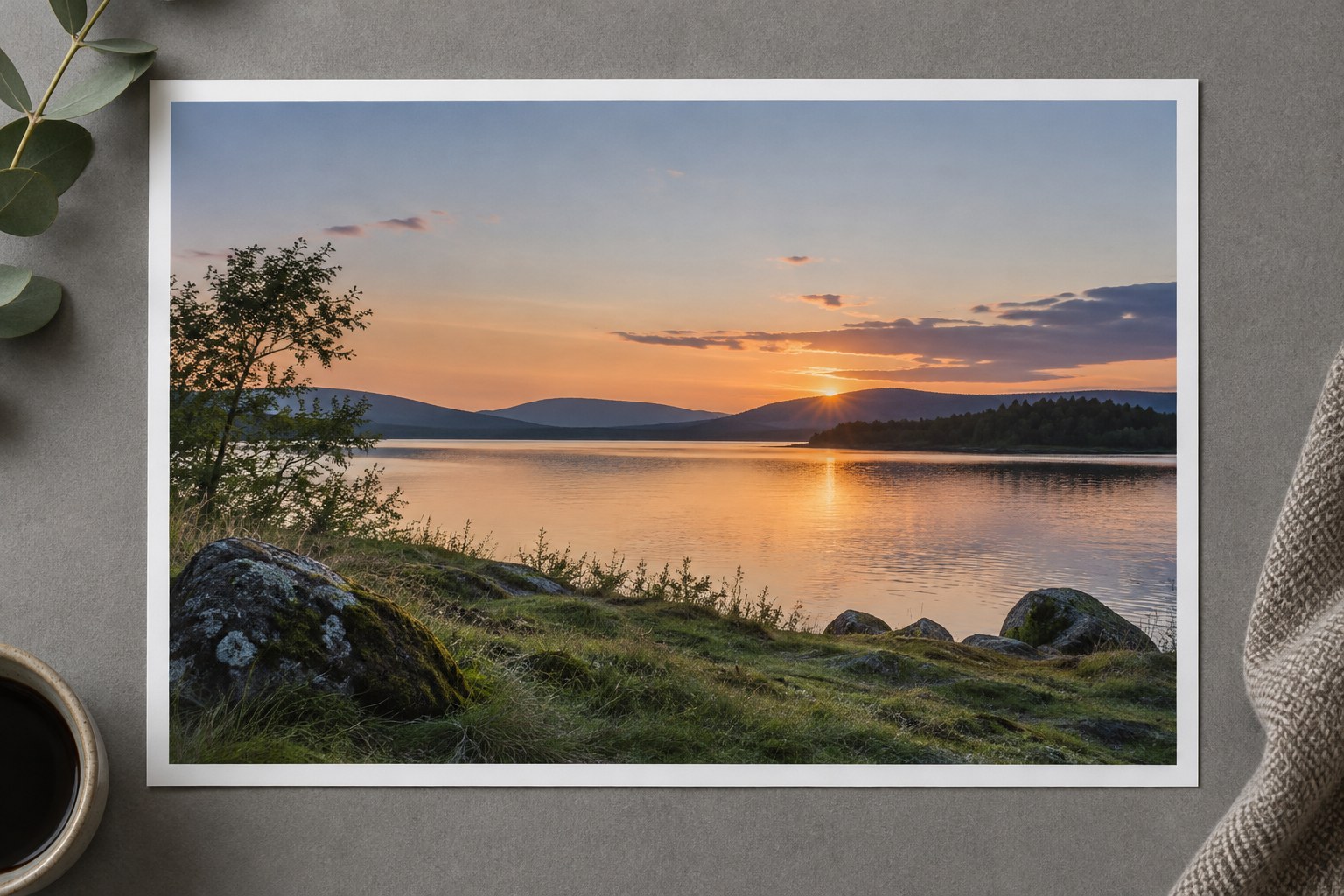
Flat coastal light removes strong shadows, leaving shape, texture and tonal separation to carry the photograph.
Photographing outside
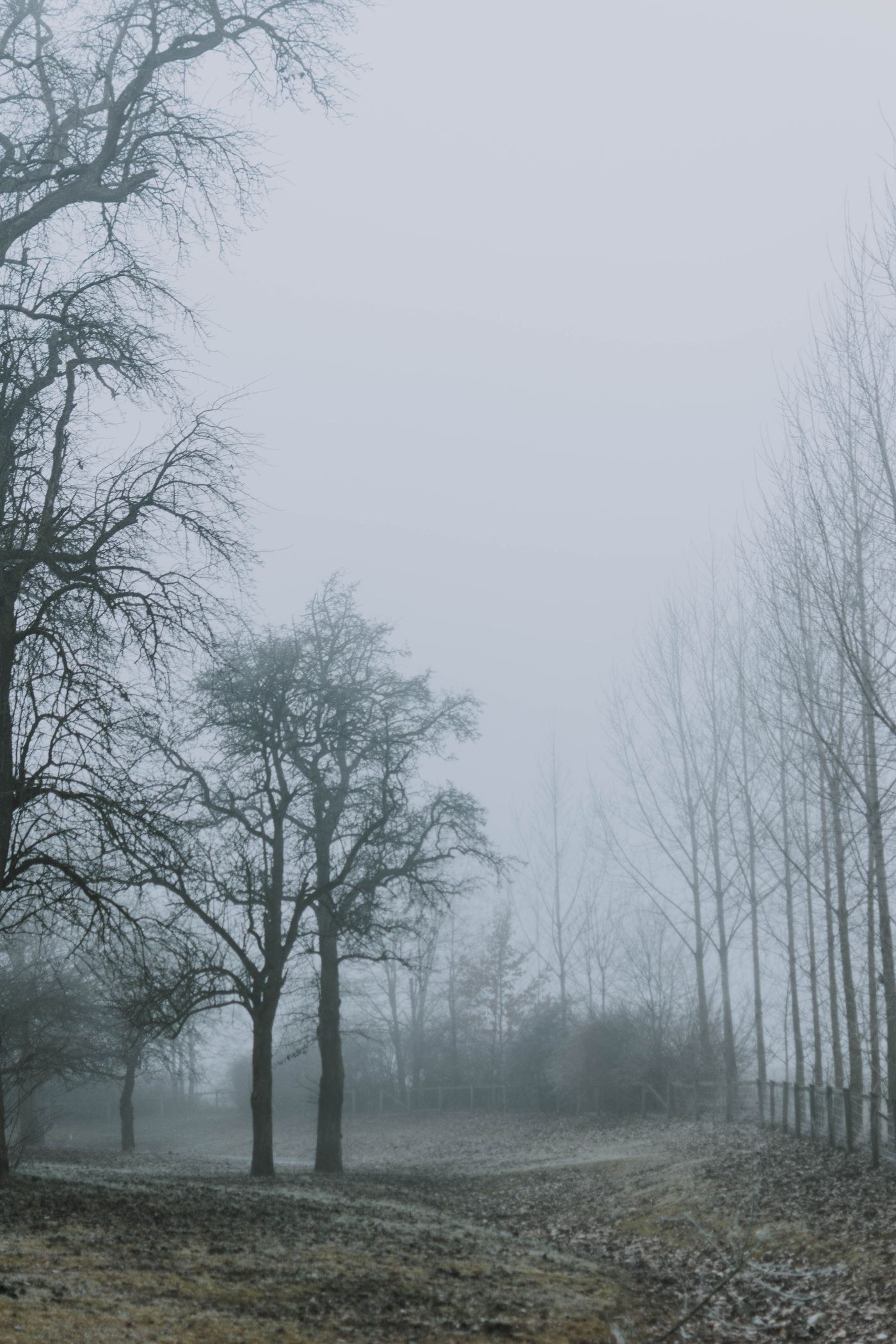
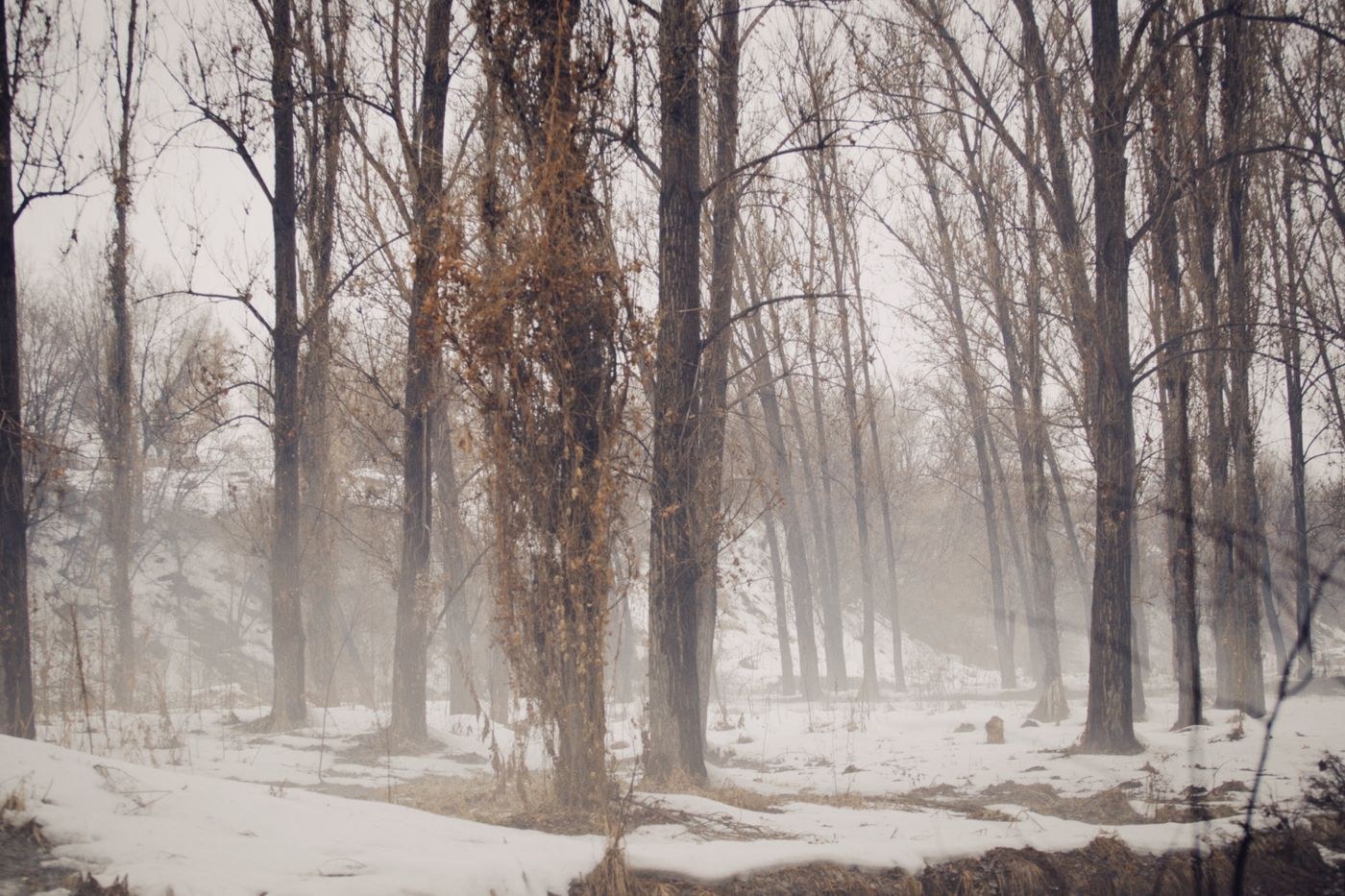
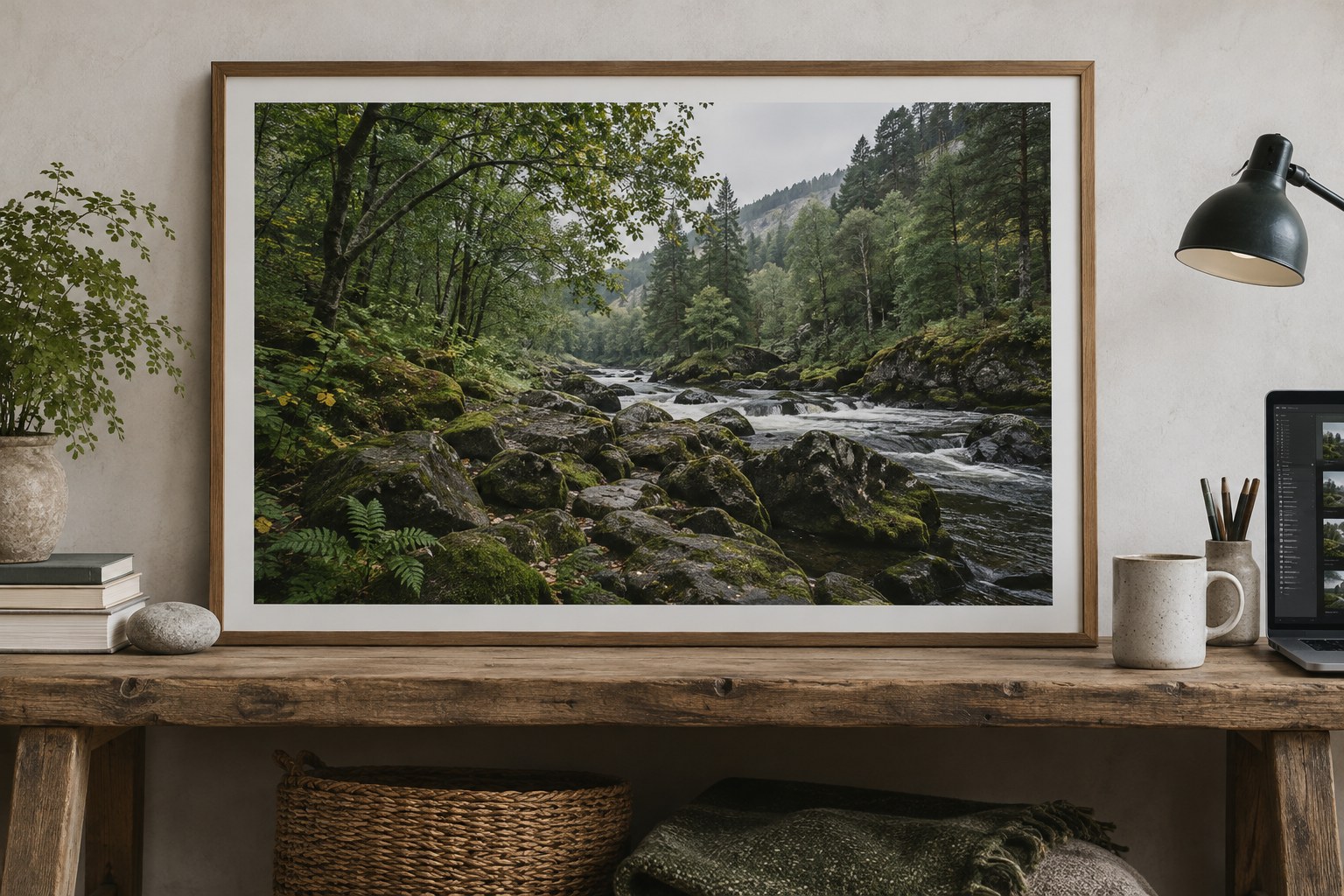
Fog reduces distant detail, but a woodland photograph still needs a clear foreground structure and a deliberate focus point.
Photographing outside
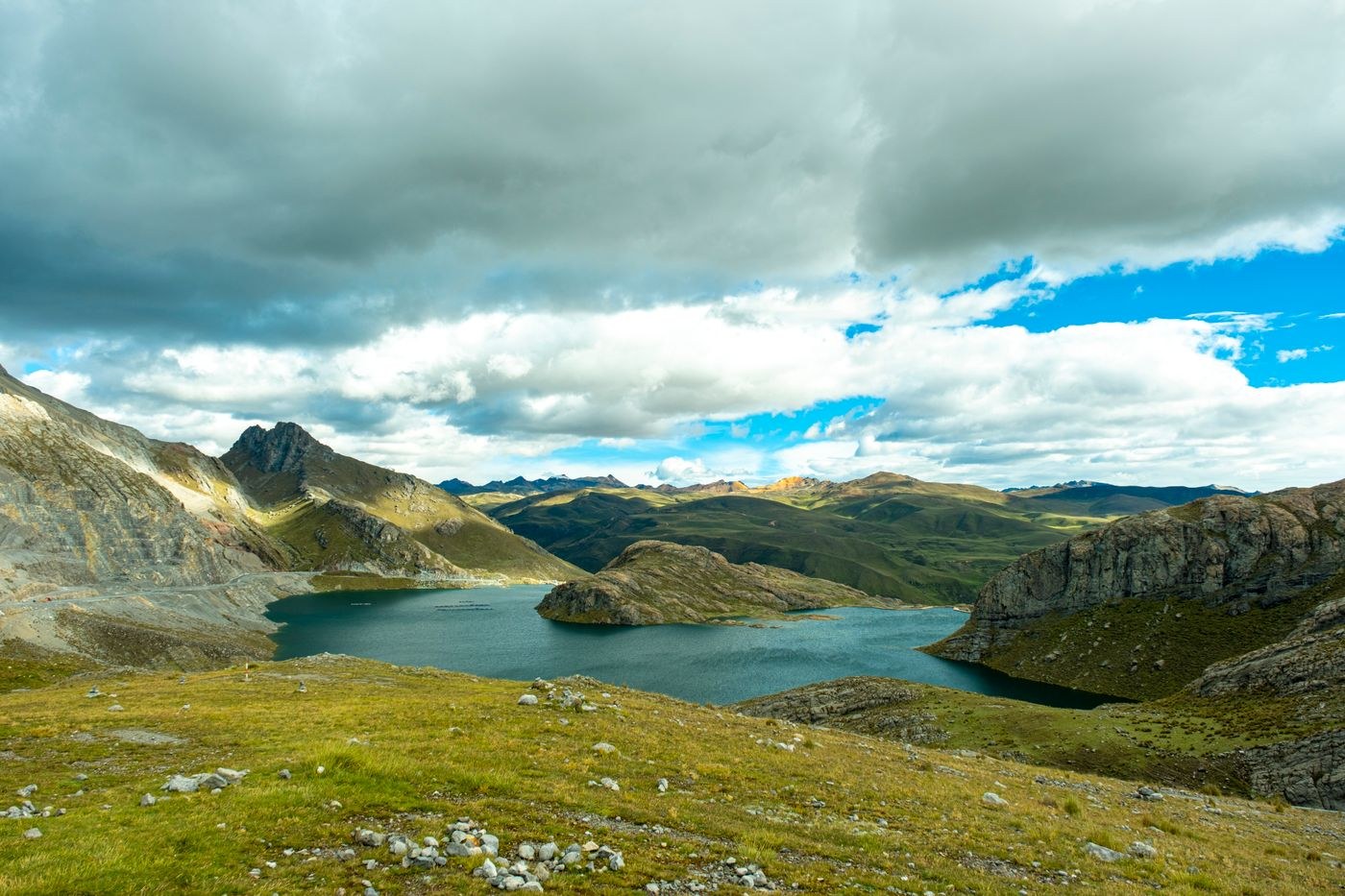
Changing cloud cover can redraw a mountain scene. Keep the composition ready and watch where light moves across the terrain.
Photographing outside
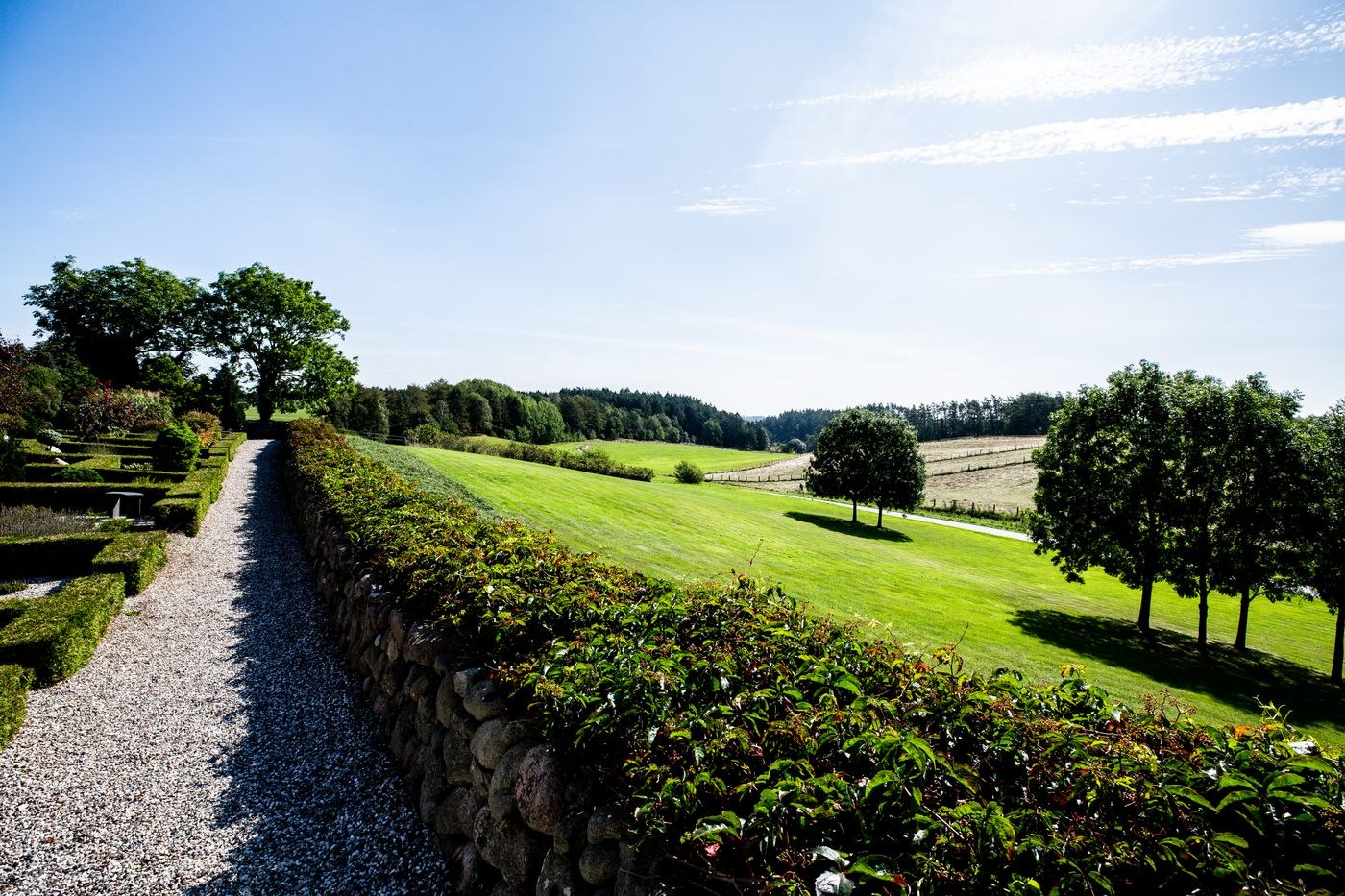
Photograph a garden as an arrangement of spaces, growth and human choices, then use individual flowers as details within that story.
Photographing outside
Without leaves, a tree's branching structure becomes visible. Separate that structure from the background before searching for dramatic light.
Photographing outside
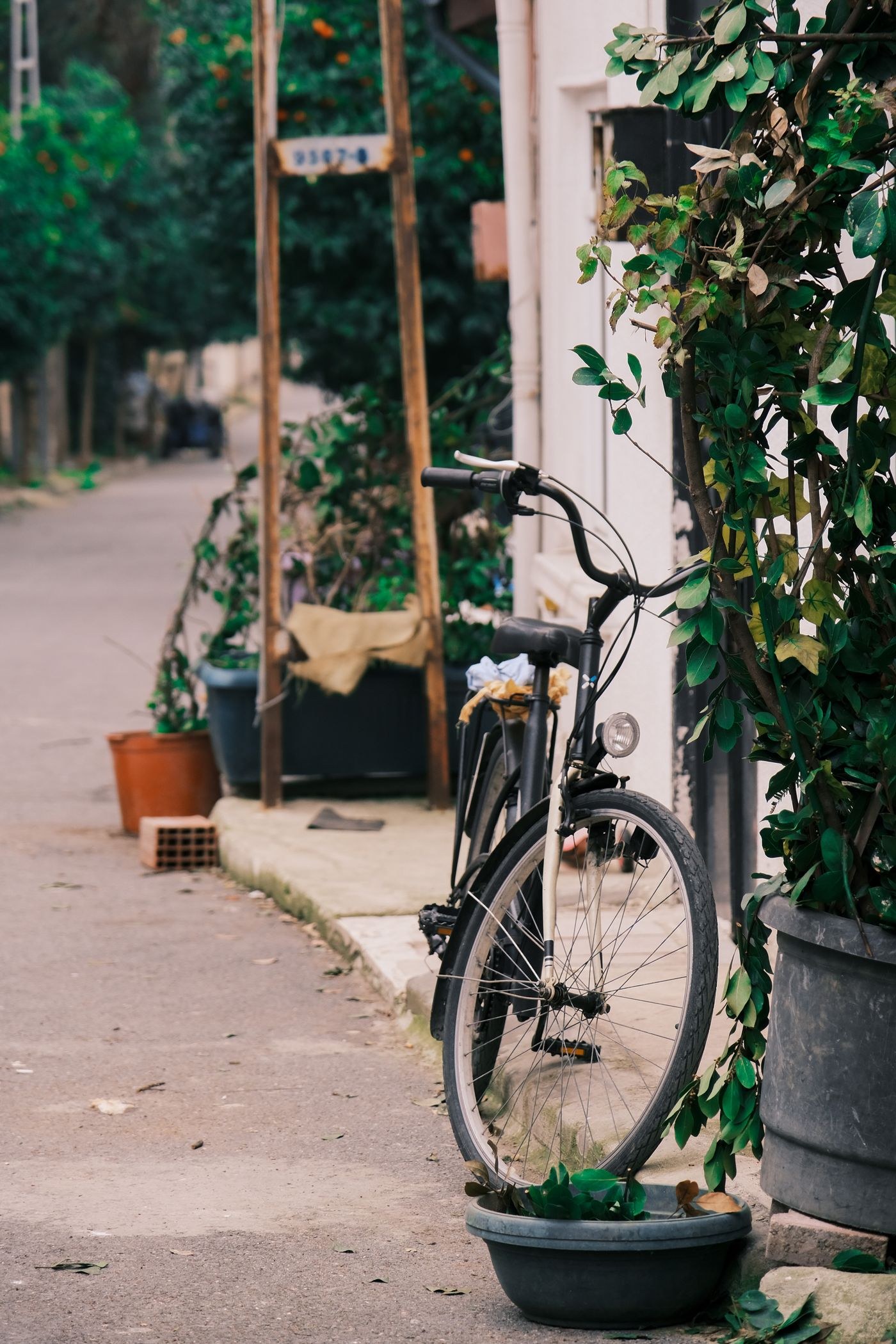
A parked bicycle can establish scale, use and colour within a location when it remains connected to its surroundings.
Photographing outside
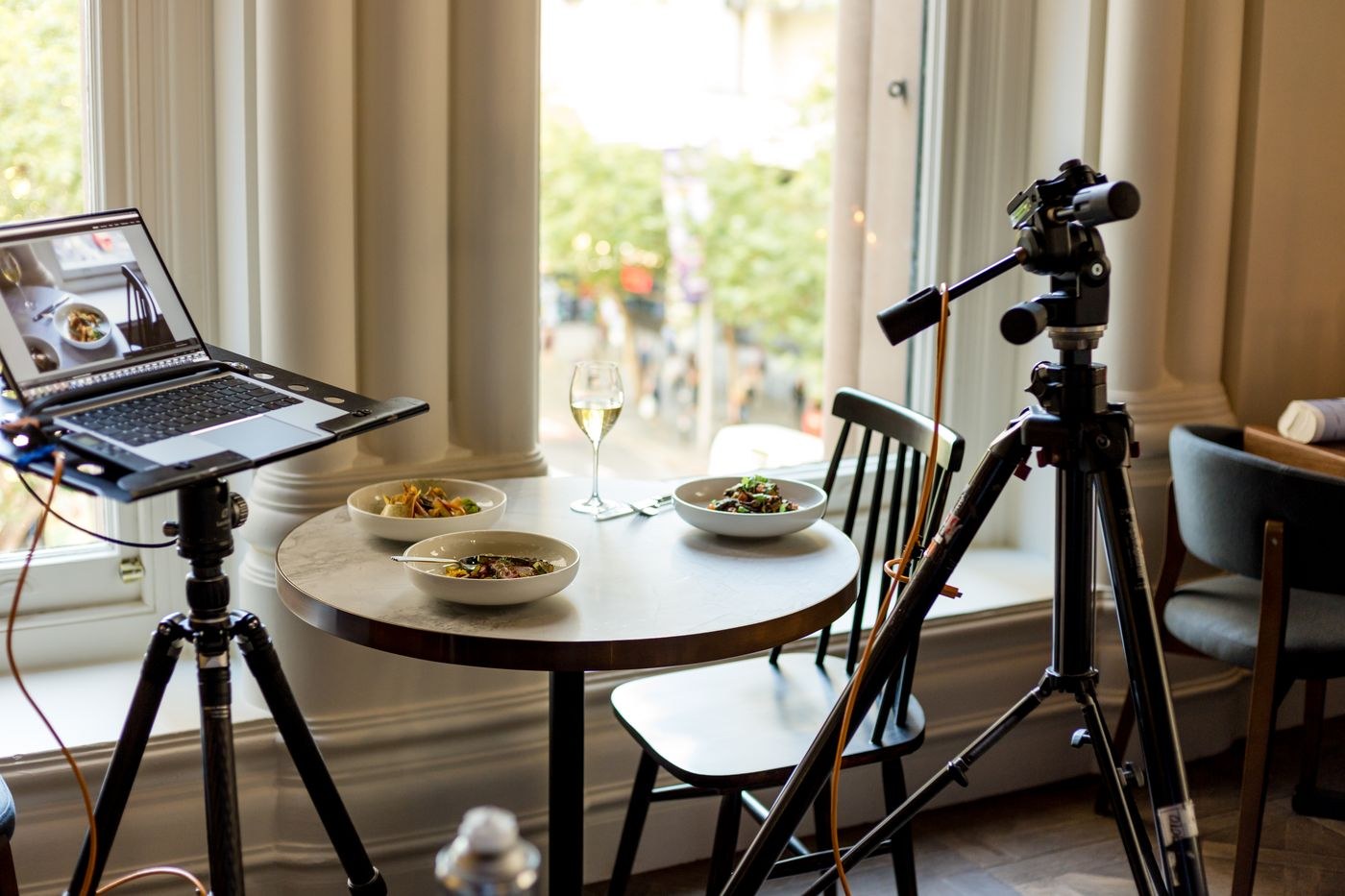
Prepare the frame before serving the food. Light, background and camera position can be settled while the plate is still empty.
Photographing outside
A quiet photograph can come from a busy location when the frame excludes competing actions and gives one element room to remain still.
Photographing outside
At night, choose the light source that will describe the subject before deciding how bright the entire street should look.
Photographing outside
Doorways make a useful series when you define what connects them: proportion, material, colour or the transition between street and interior.
Photographing outside
Changing distance along a riverbank can produce a connected set of photographs rather than several versions of the same wide view.
Photographing outside
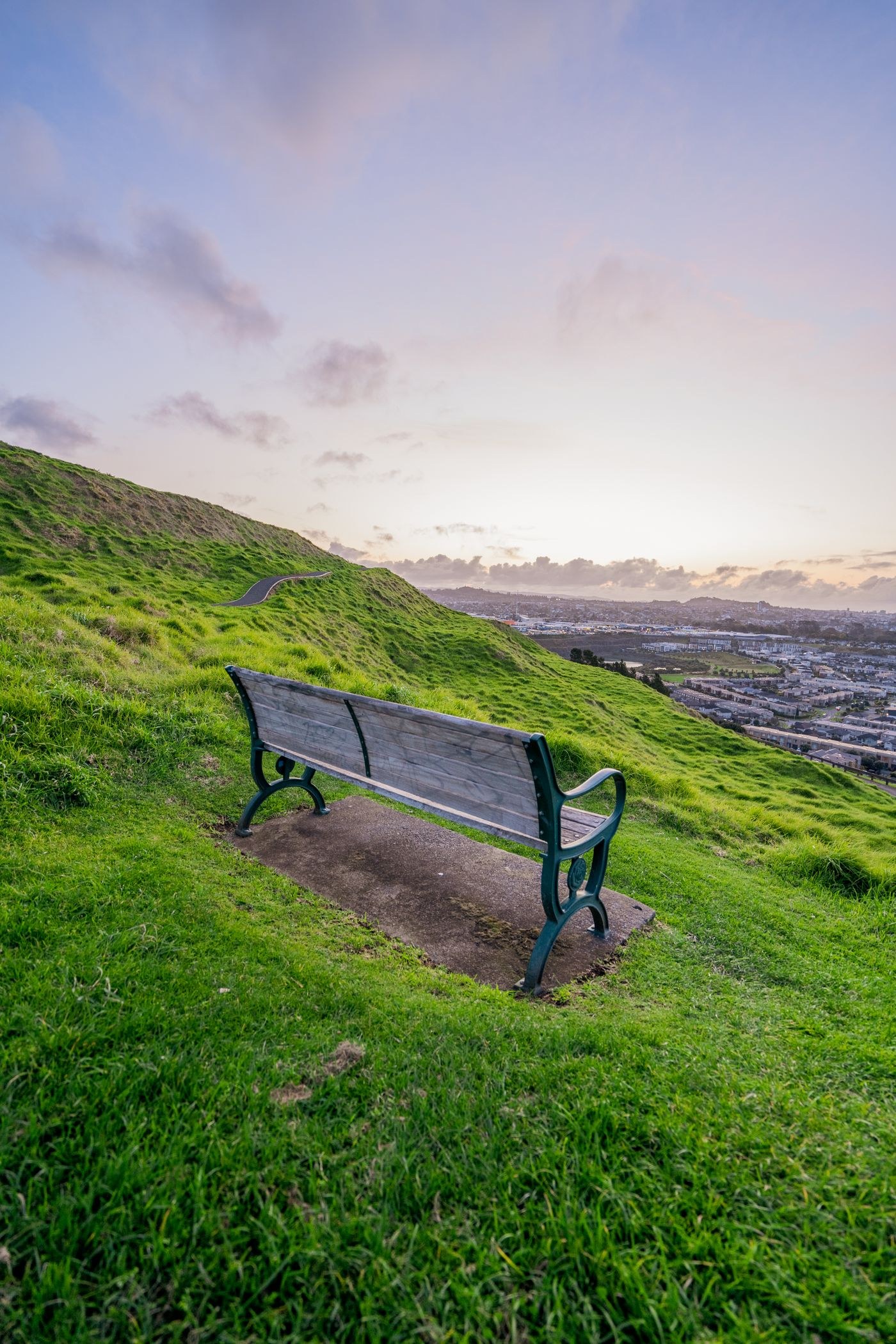
A bench gives the eye a familiar size reference, but its placement must support the landscape rather than merely occupy the foreground.
Photographing outside
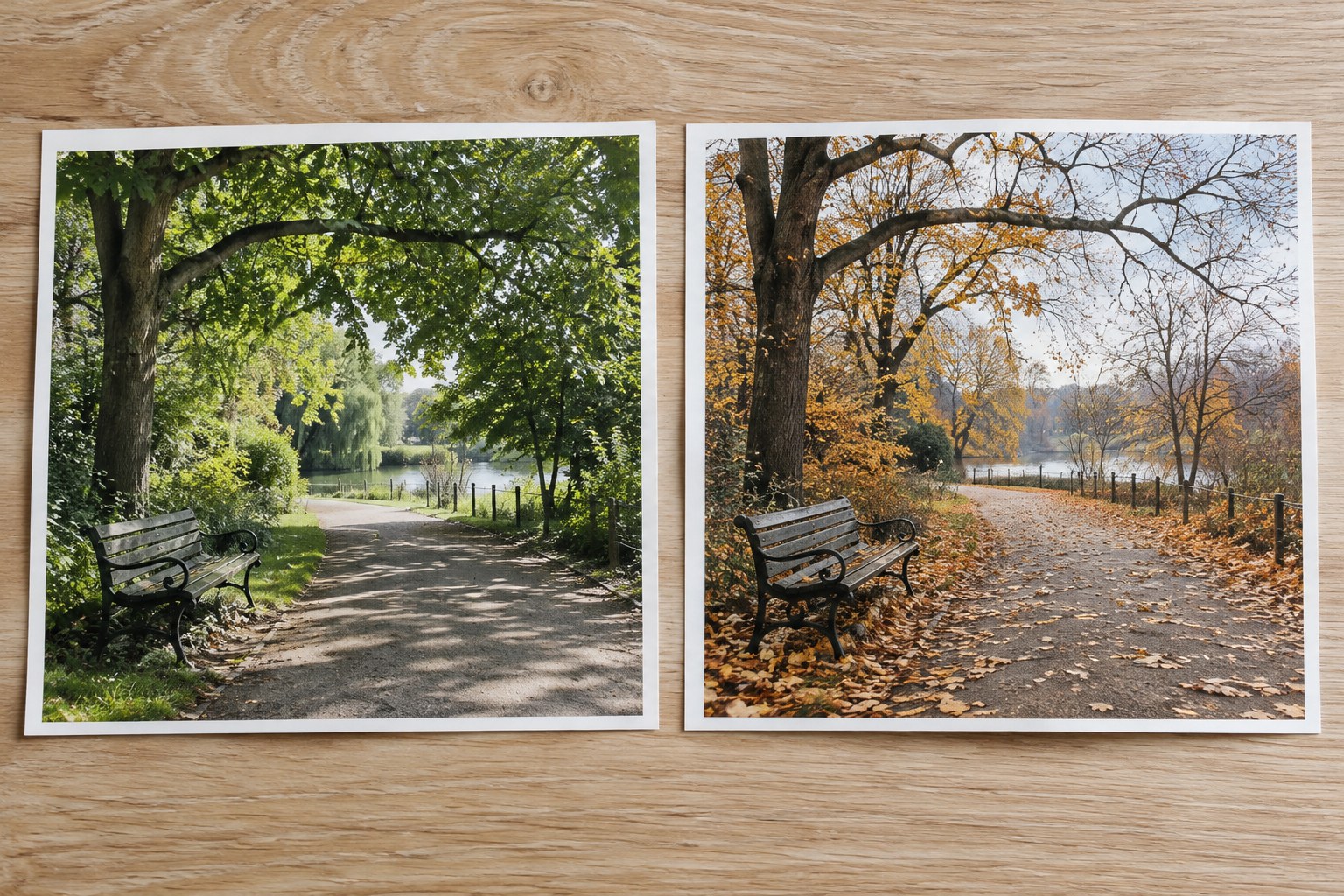
Repeat a viewpoint carefully enough to reveal seasonal change, while leaving room for the differences each visit actually presents.
Photographing outside
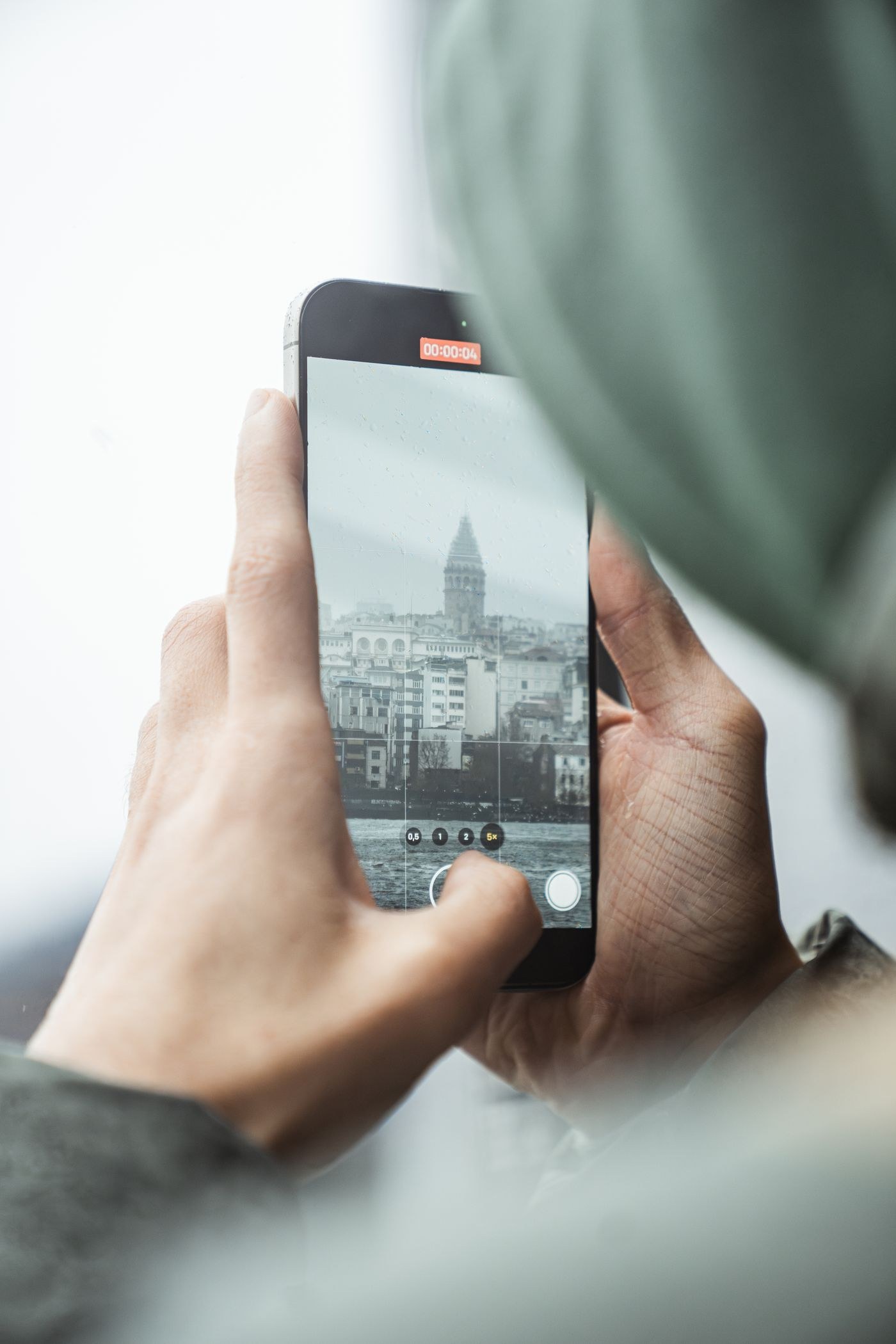
A phone works well for travel when you treat viewpoint, light and timing as photographic decisions rather than relying on automatic enhancement.
Photographing outside
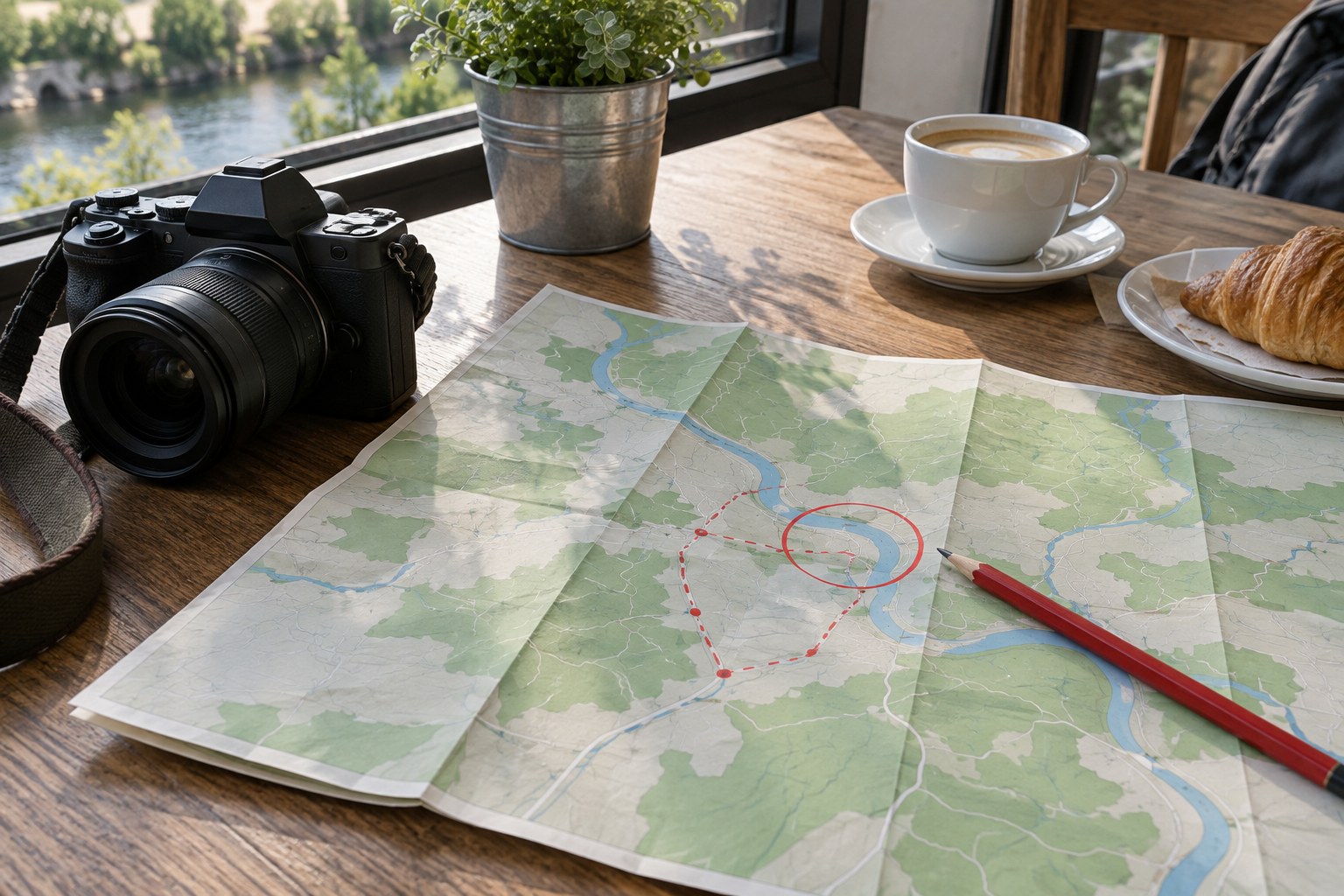
A short outing becomes more productive when one accessible location offers several photographic questions rather than a long list of stops.
Photographing outside
The surroundings of a handmade object can explain its material and use, provided they remain subordinate to the object itself.
Photographing outside
A closing image should resolve the visual rhythm of a travel series, not merely show the last thing photographed on the trip.
Organise & protect
A folder structure should answer where an original belongs and how to find it again without requiring the memory of its creator.
Organise & protect
Rename photographs only when the new name improves identification, and preserve a way back to the original camera filename.
Organise & protect
Prevent duplicate imports by tracking the card, destination and completed transfer, rather than assuming matching filenames always mean matching photographs.
Organise & protect
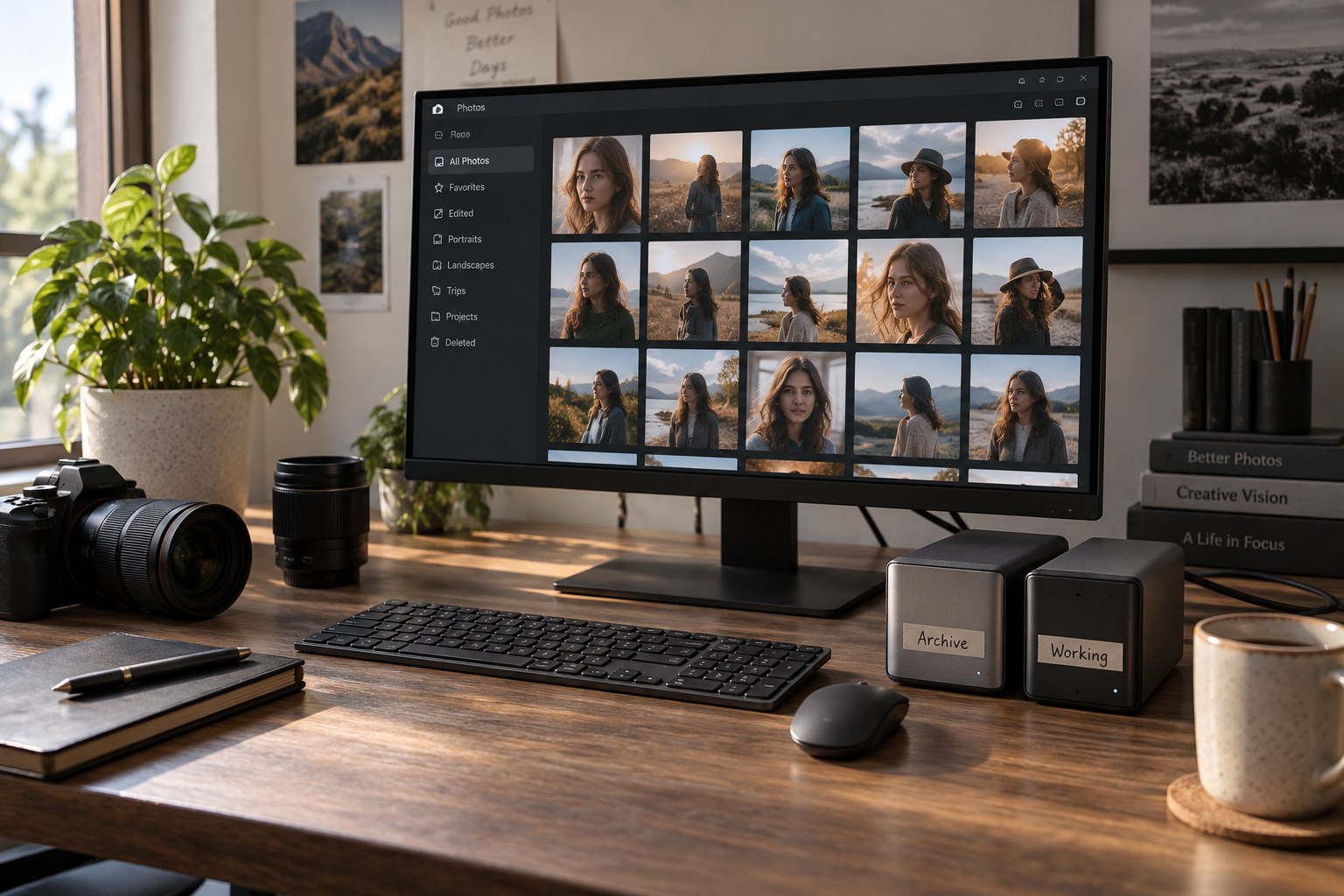
An archive preserves source material and its history; a working folder holds the files currently being changed. Give each a clear role before separating them.
Organise & protect
A backup plan needs to preserve photographs, editing information and the ability to recover them after more than one kind of failure.
Organise & protect
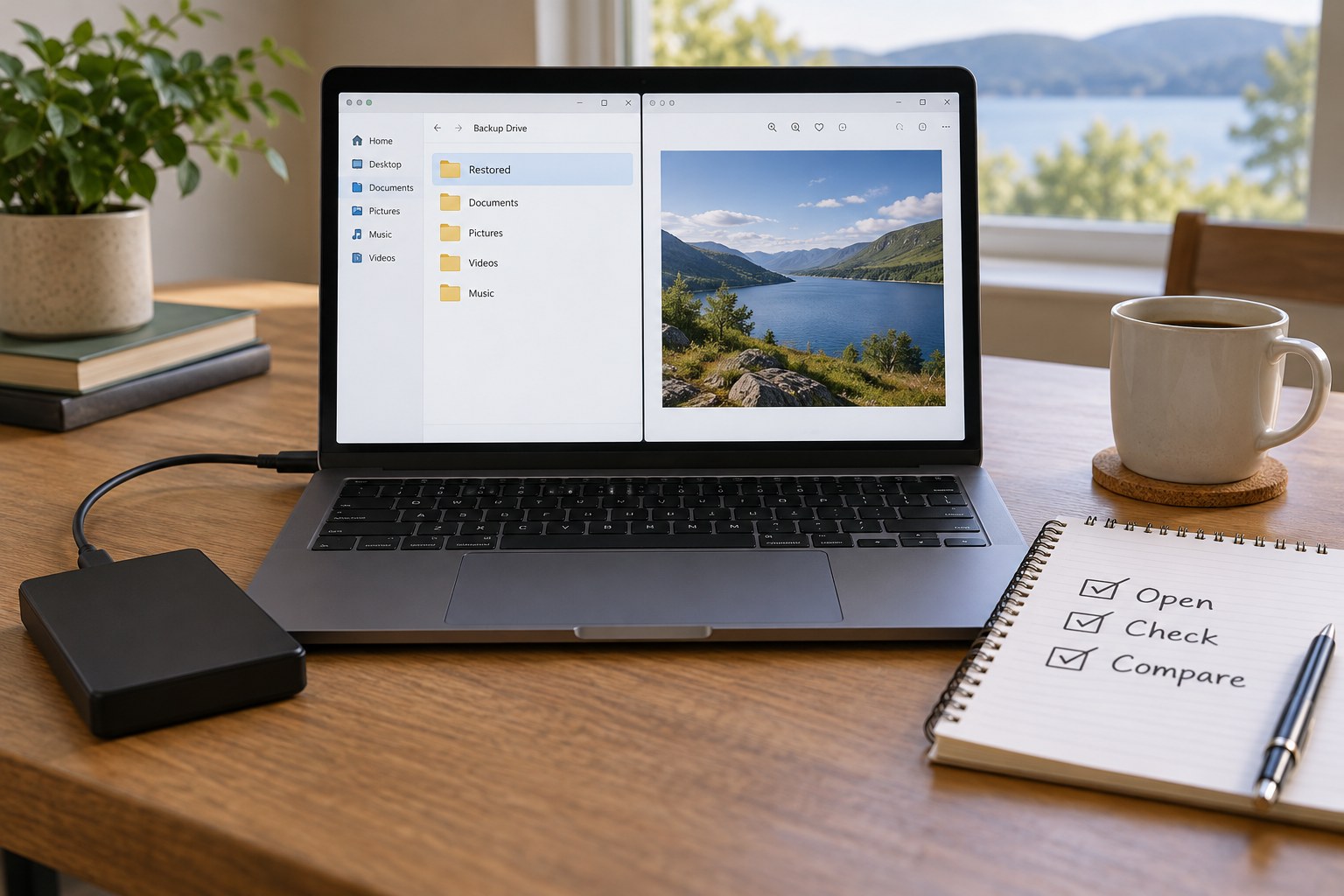
A successful backup message proves that a process ran. A restore test checks whether the files and relationships you need can actually be recovered.
Organise & protect
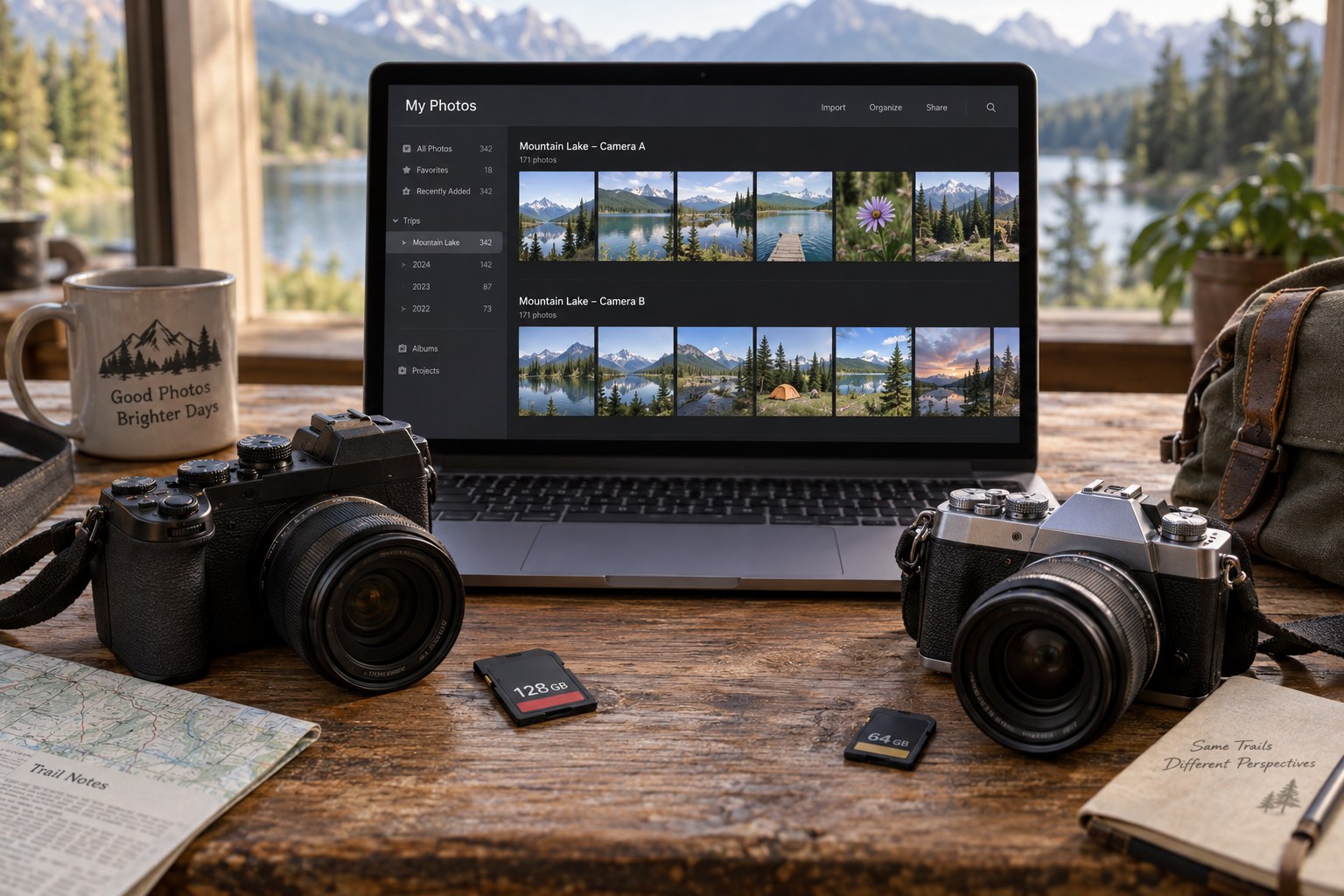
Combining cameras is mainly an identity and timing problem. Preserve each source before trying to make the photographs appear in one chronological sequence.
Organise & protect
An edited RAW photograph may depend on a catalog, sidecar or separate working file. Identify that dependency before moving or sharing the image.
Organise & protect
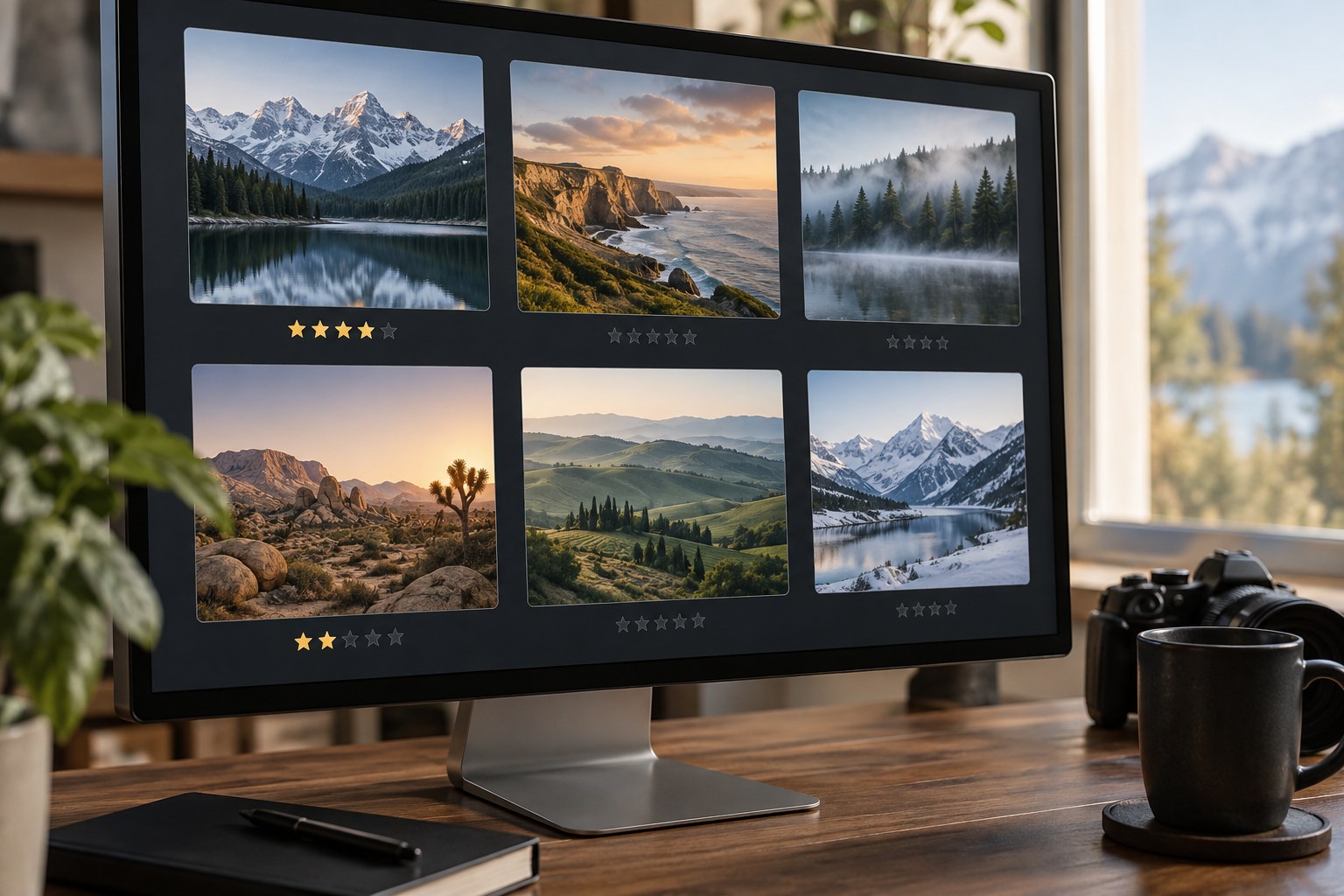
Use ratings to answer a selection question. Leaving most photographs unrated can make the meaningful decisions easier to find.
Organise & protect
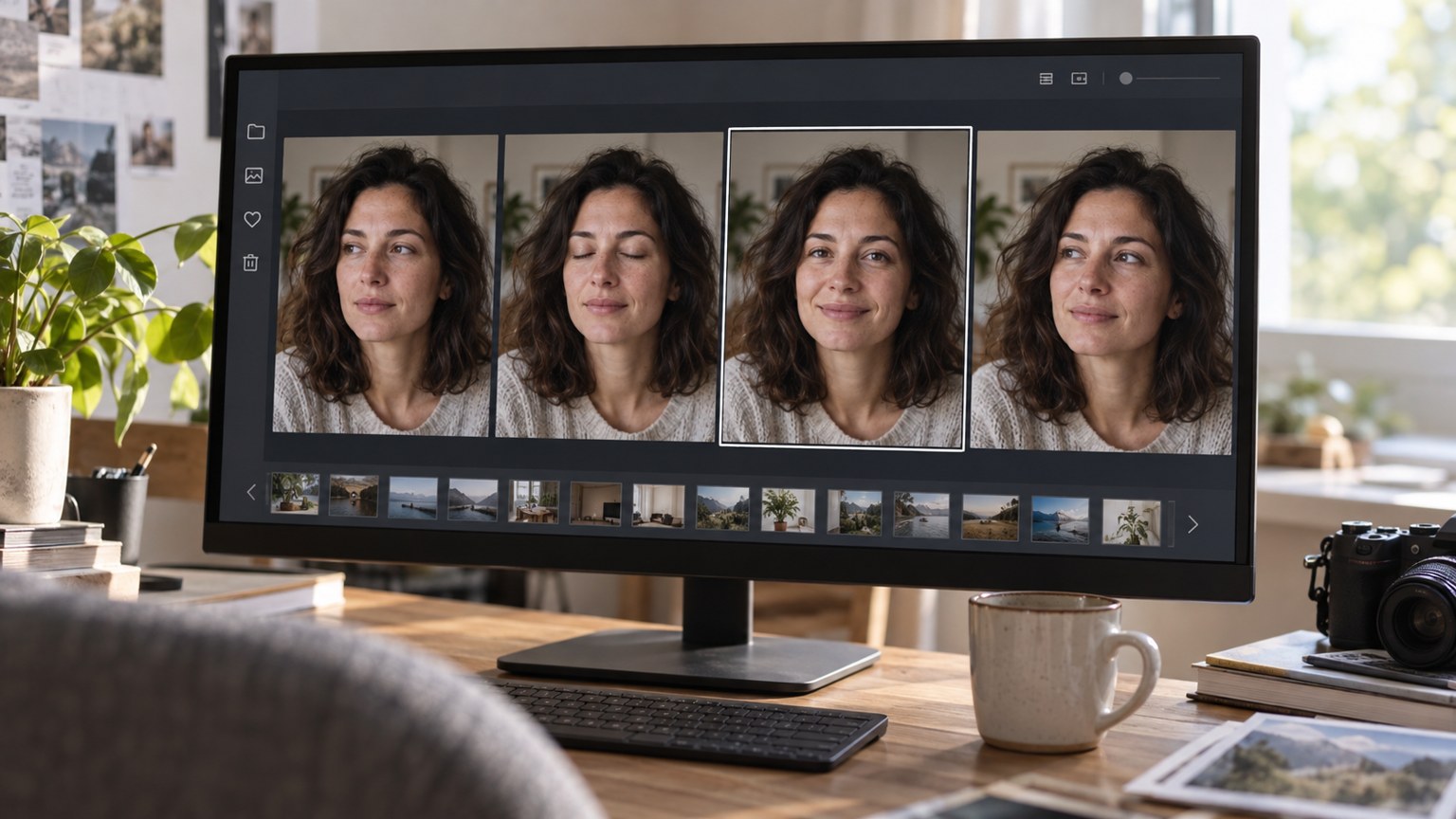
Compare expression and technical quality separately so that the sharpest frame does not automatically displace the photograph that communicates best.
Organise & protect
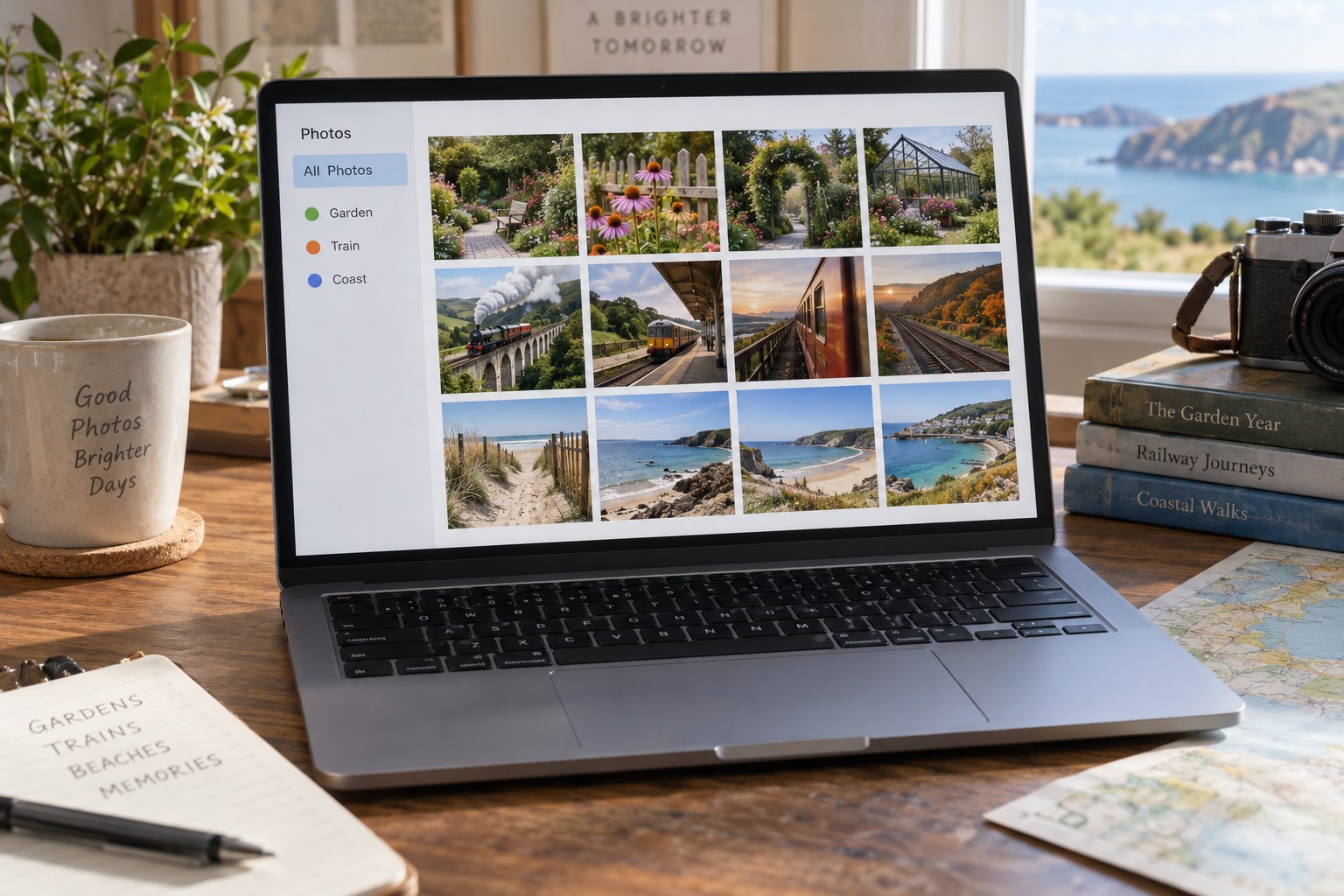
Choose keywords by imagining a future search rather than trying to describe every visible object in every photograph.
Organise & protect
Keep location information specific enough to help you find a photograph while making uncertainty and privacy choices visible.
Organise & protect
Distinguish byte-identical files from visually similar photographs before deciding which copies can be removed.
Organise & protect
Move a photo library as a set of connected files and records, then verify the destination before retiring the old copy.
Organise & protect
Make a travel backup routine that can be completed when you are tired, with a clear distinction between copied, checked and safe to reuse.
Organise & protect
Archive phone photographs in a way that preserves originals, dates and useful companions rather than collecting only the copies shared through messages.
Organise & protect
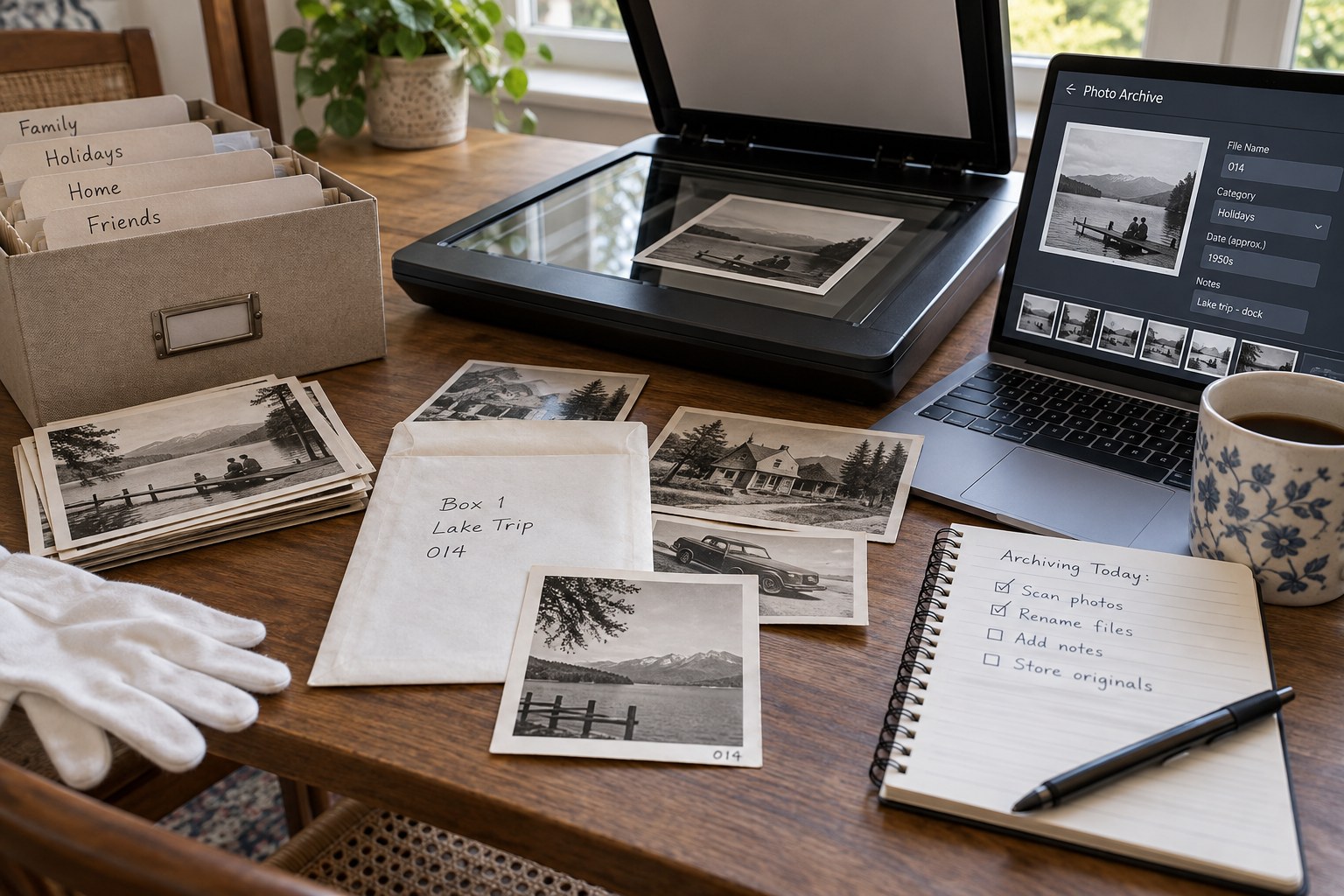
Connect each scan with the physical photograph and the information around it before the original collection is rearranged.
Organise & protect
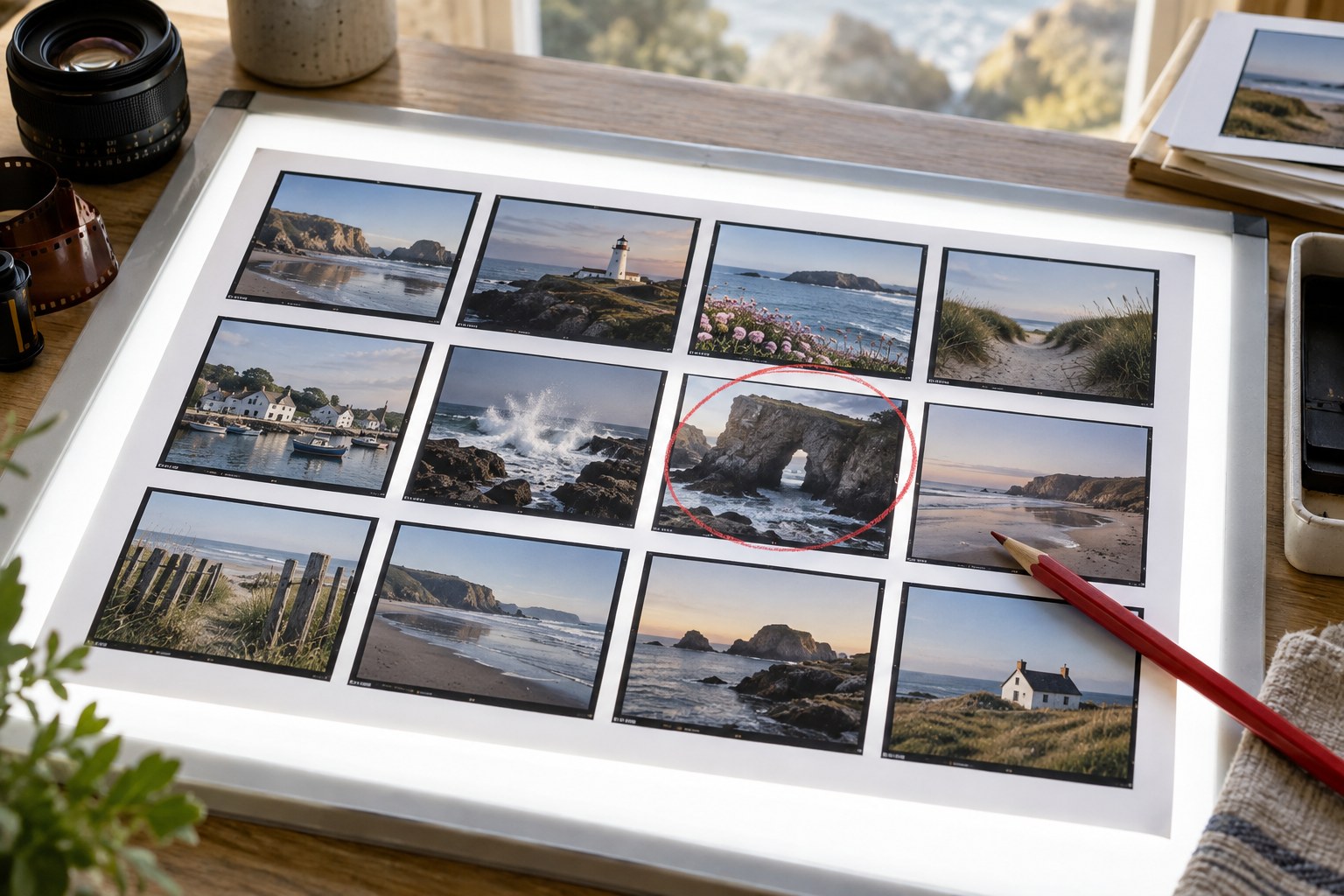
Use a contact sheet to compare the relationships between photographs while keeping enough detail to recognise each candidate.
Organise & protect
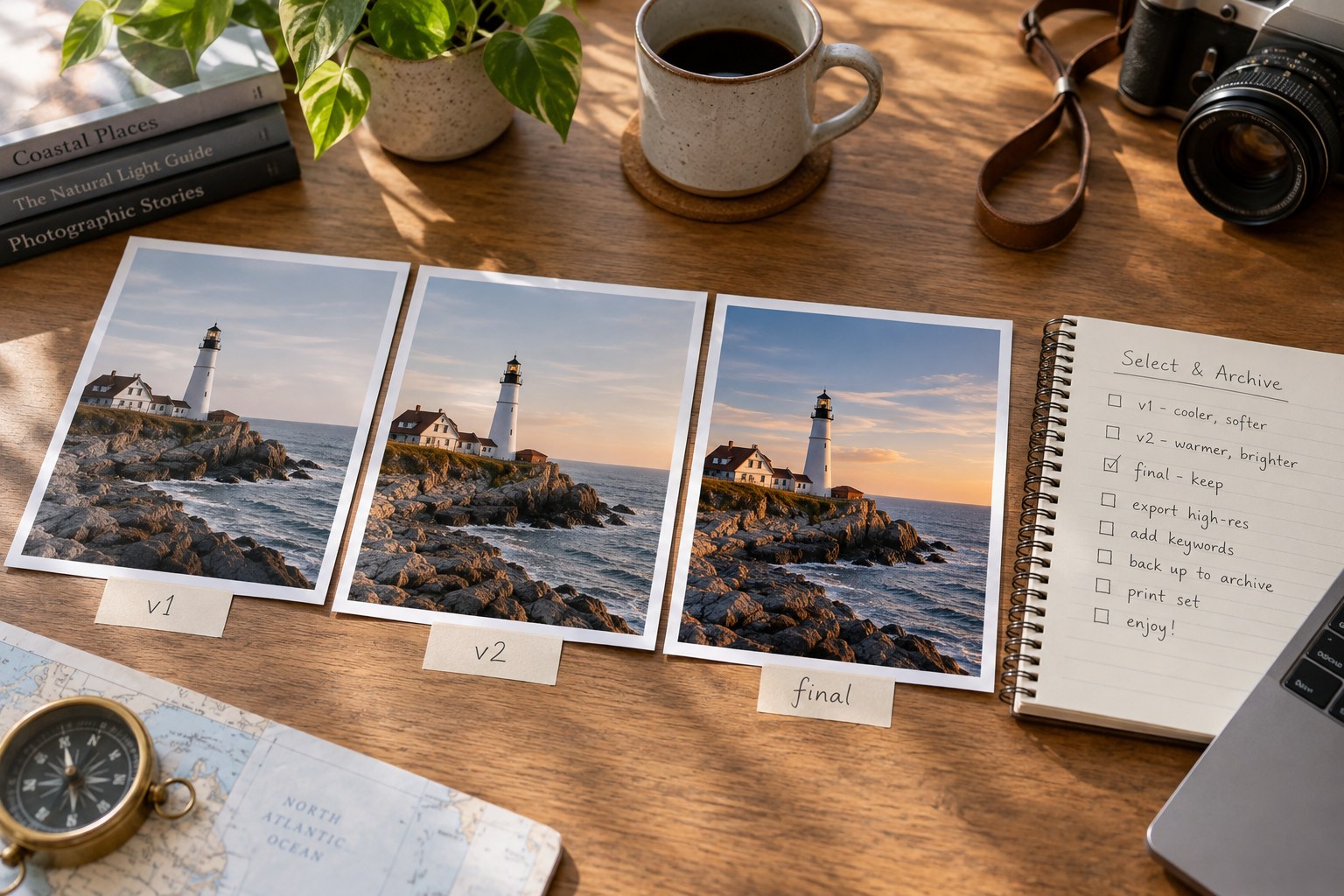
Distinguish a creative version from a delivery format so that the number of files does not obscure which photograph each one represents.
Organise & protect
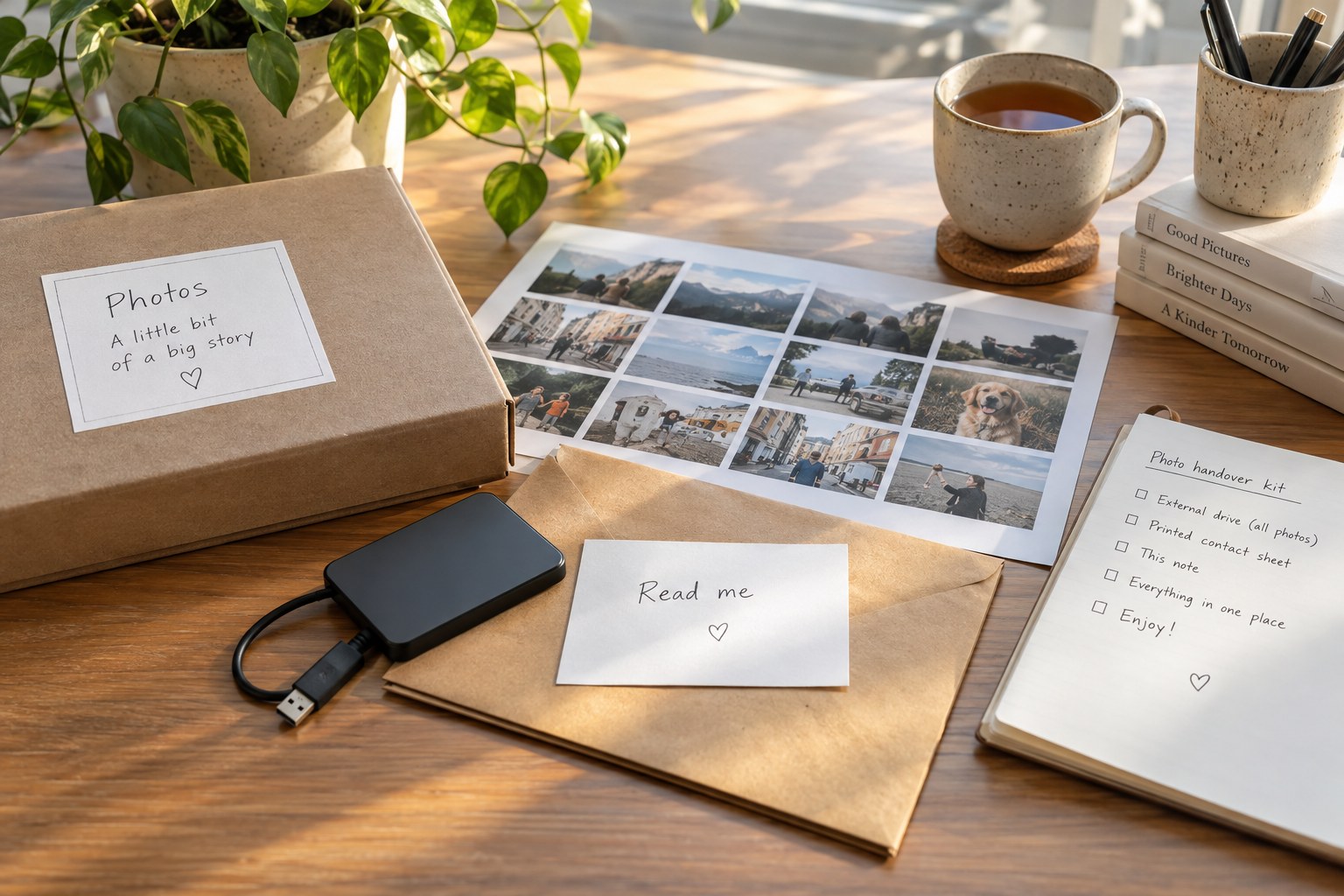
Prepare a photo handover around what the recipient needs to open, understand and preserve, rather than sending an unexplained folder of files.
Organise & protect
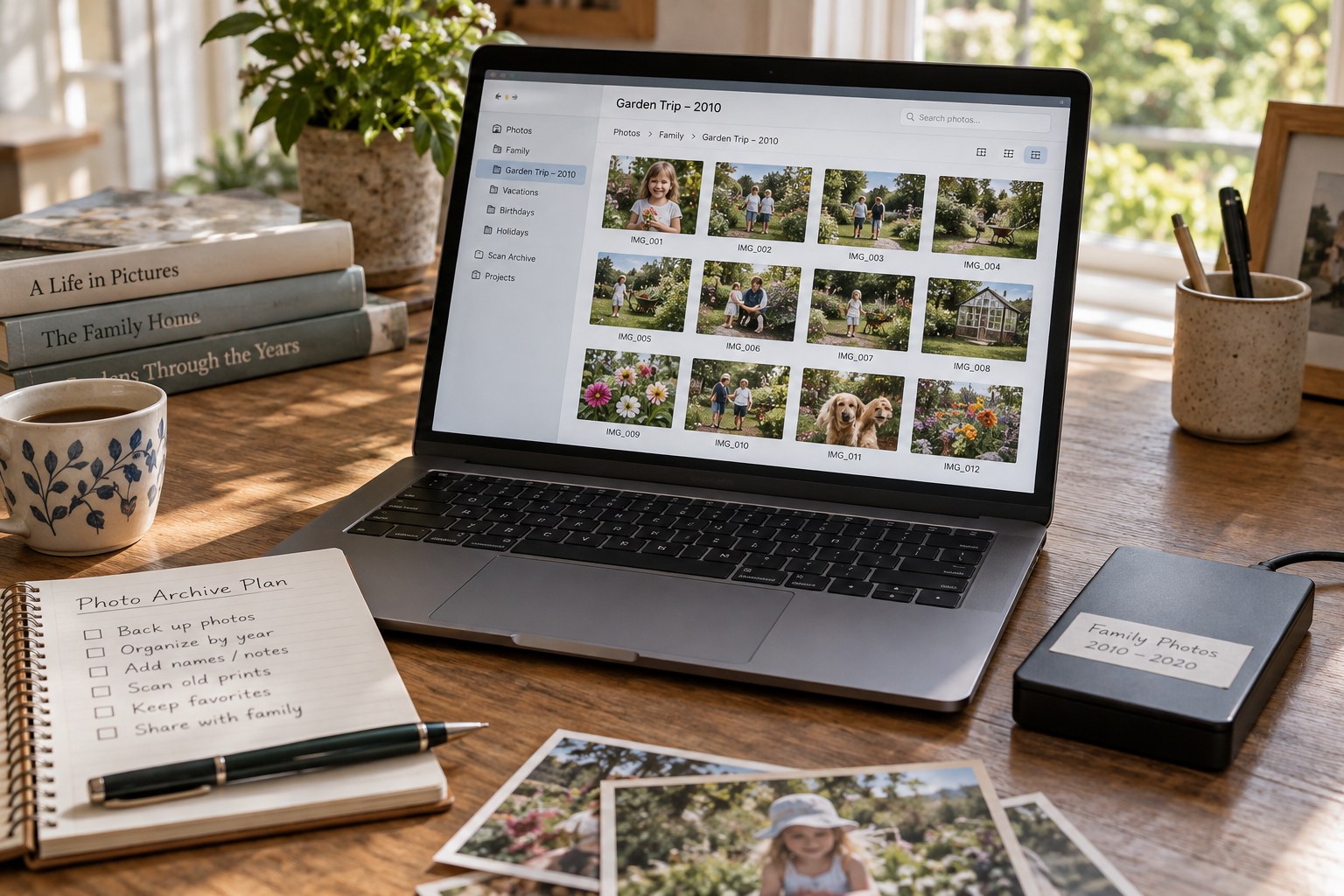
Review an old folder by identifying what it contains and what is missing before attempting a complete reorganisation.
Organise & protect
Leave a small plain-language note that explains an archive's structure, dependencies and unfinished work to someone opening it later.
Editing & colour
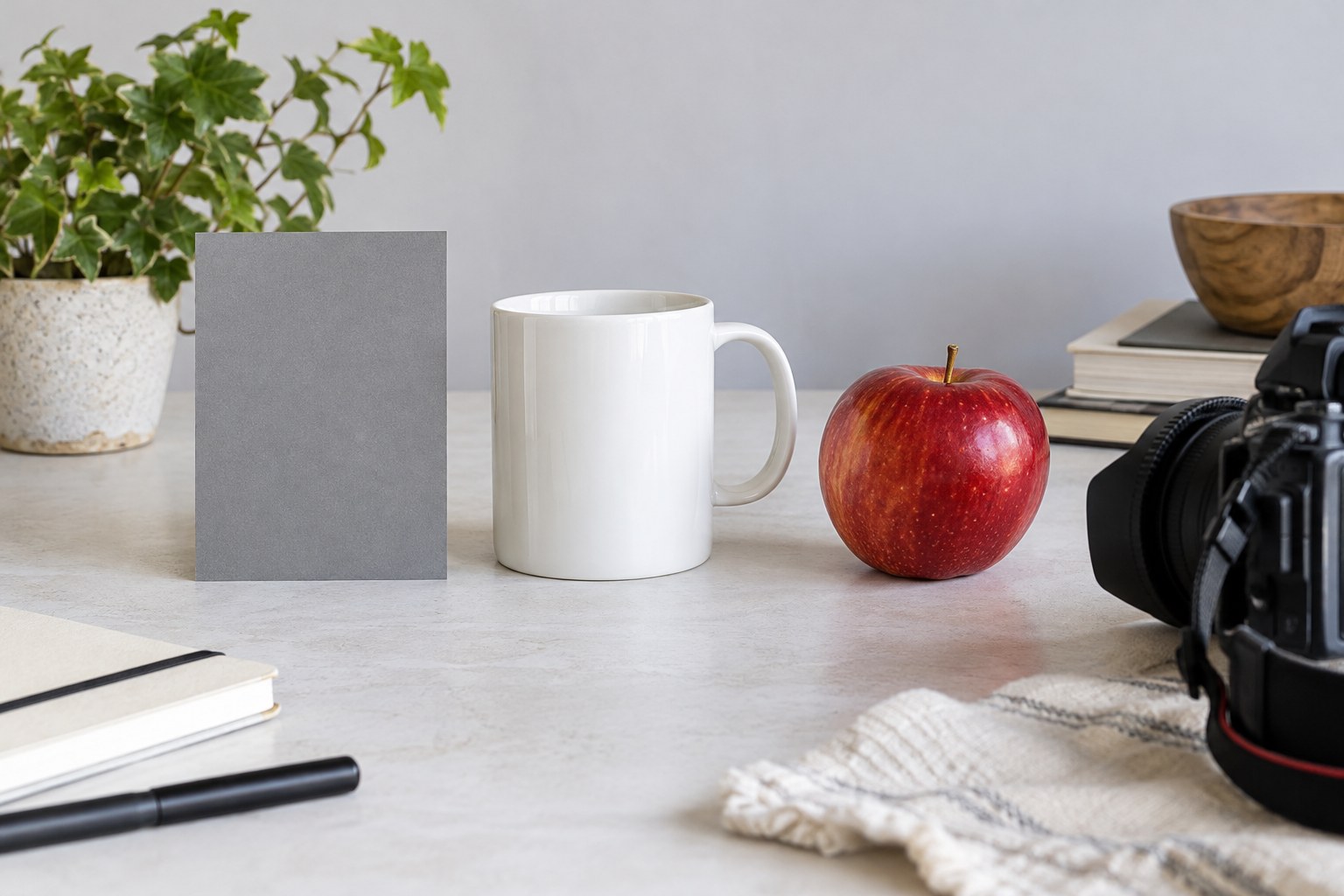
Use a neutral reference to establish a starting point, then judge whether the scene needs to retain the colour of its light.
Editing & colour
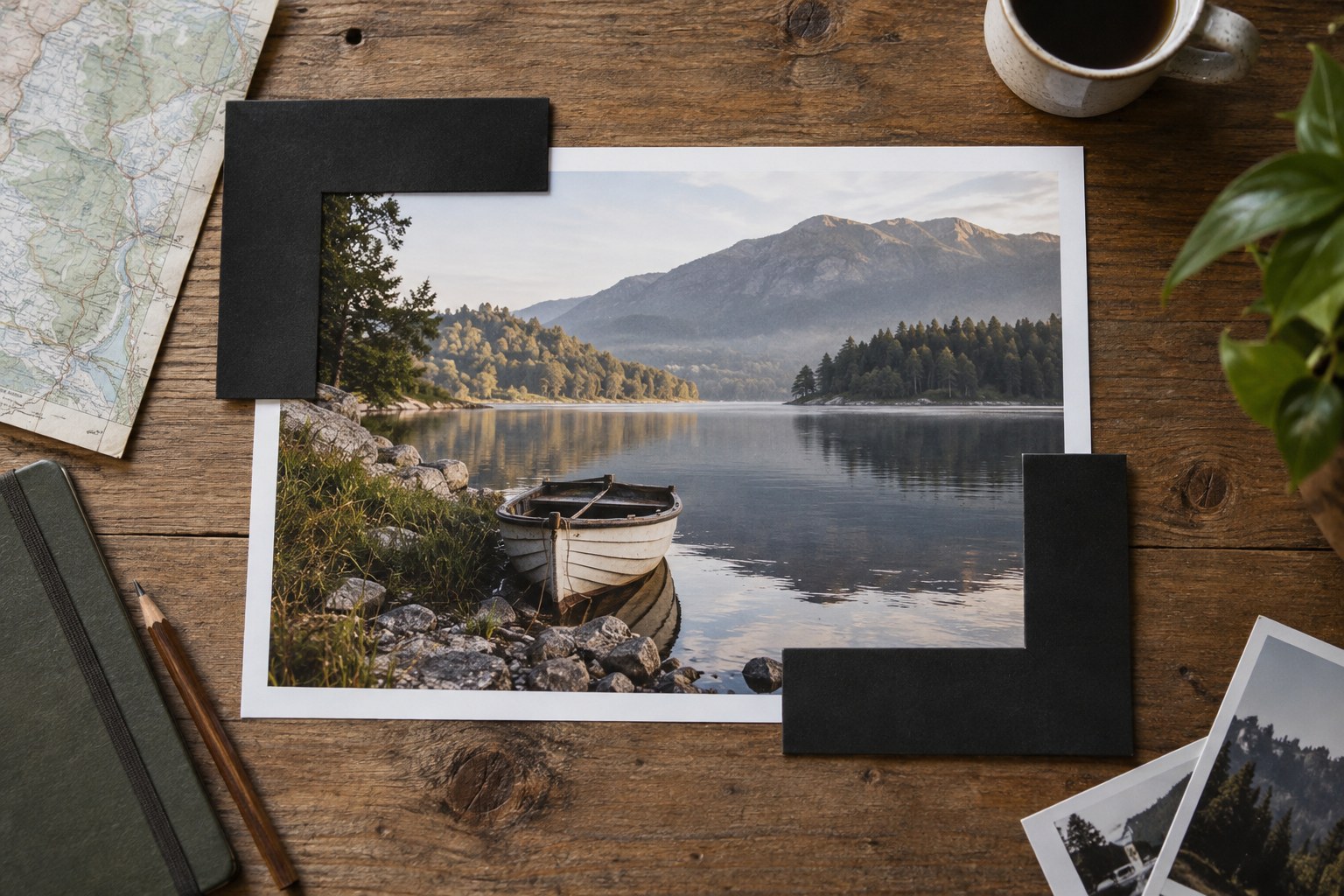
Use cropping to clarify relationships inside the frame, and check what the new edges remove as carefully as what the centre gains.
Editing & colour
Recover bright detail selectively, while keeping the rest of the photograph's light relationships intact.
Editing & colour
Open a shadow enough to reveal its role, but leave it darker than the surfaces receiving the light.
Editing & colour
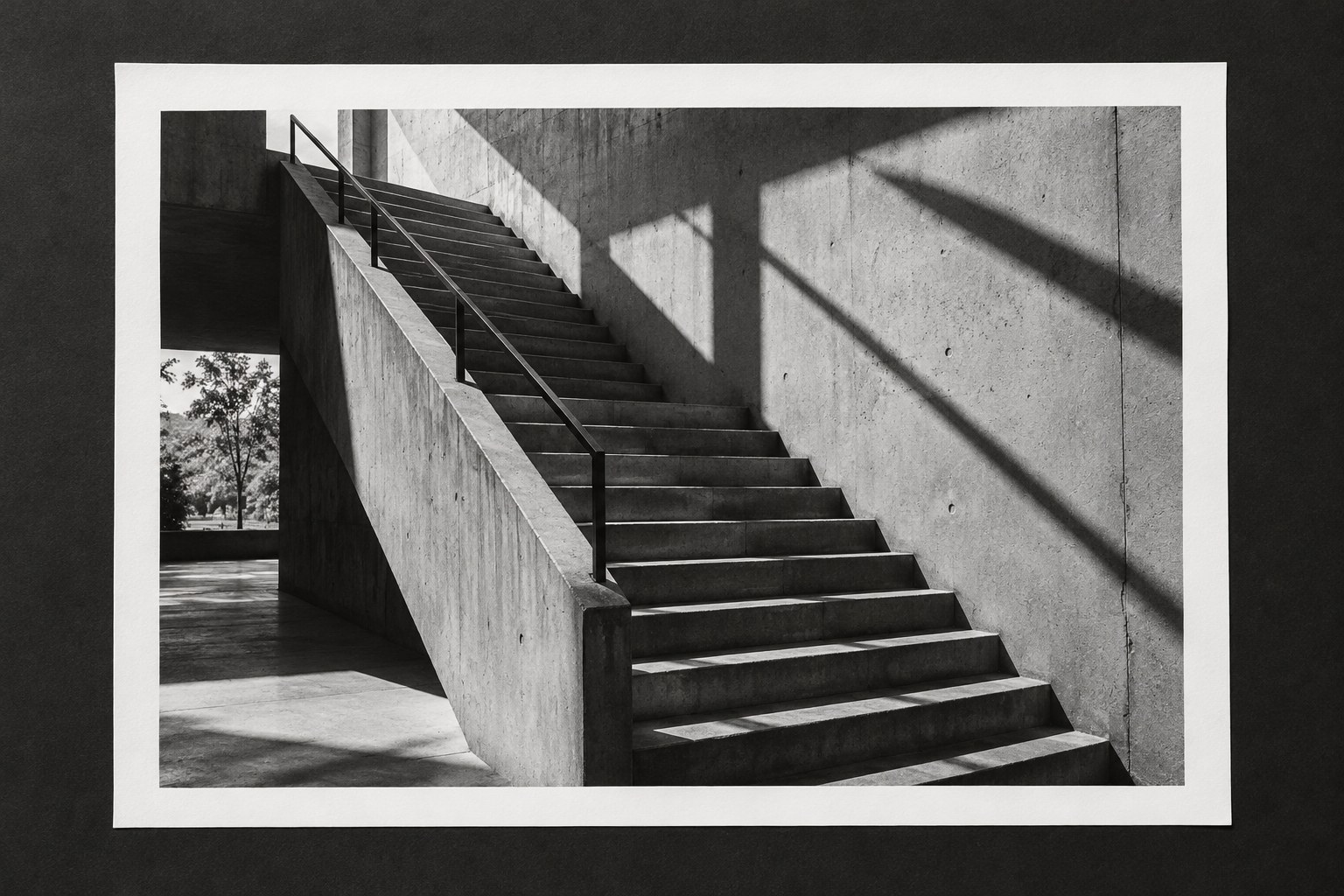
Convert to black and white when tonal relationships strengthen the photograph, then shape those relationships without treating colour as irrelevant source information.
Editing & colour
Skin colour depends on the person and the light. Correct unwanted casts without forcing different complexions toward one preset target.
Editing & colour
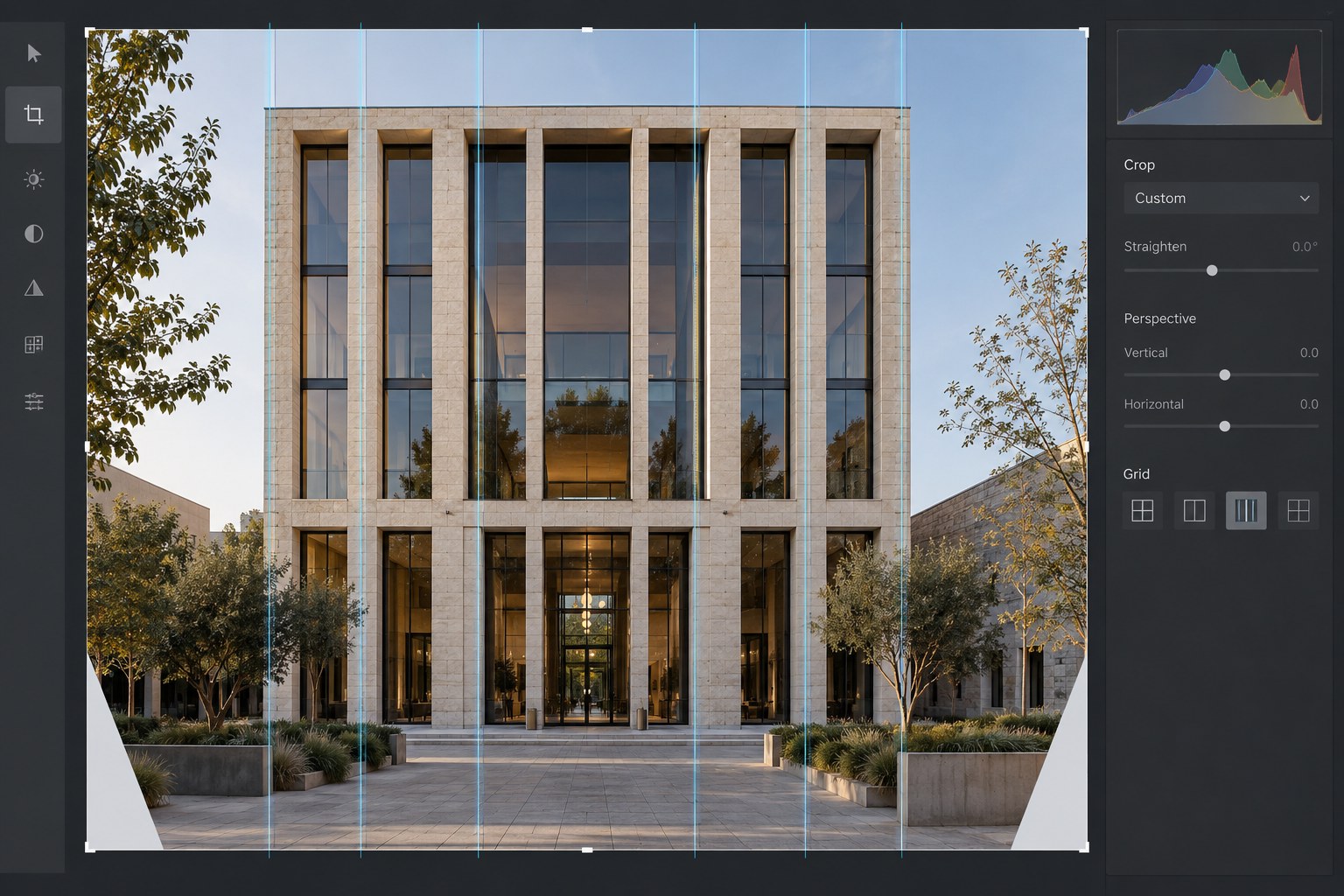
Straightening architecture involves rotation, perspective and cropping. Correct them in a deliberate order and check whether the building still looks plausible.
Editing & colour
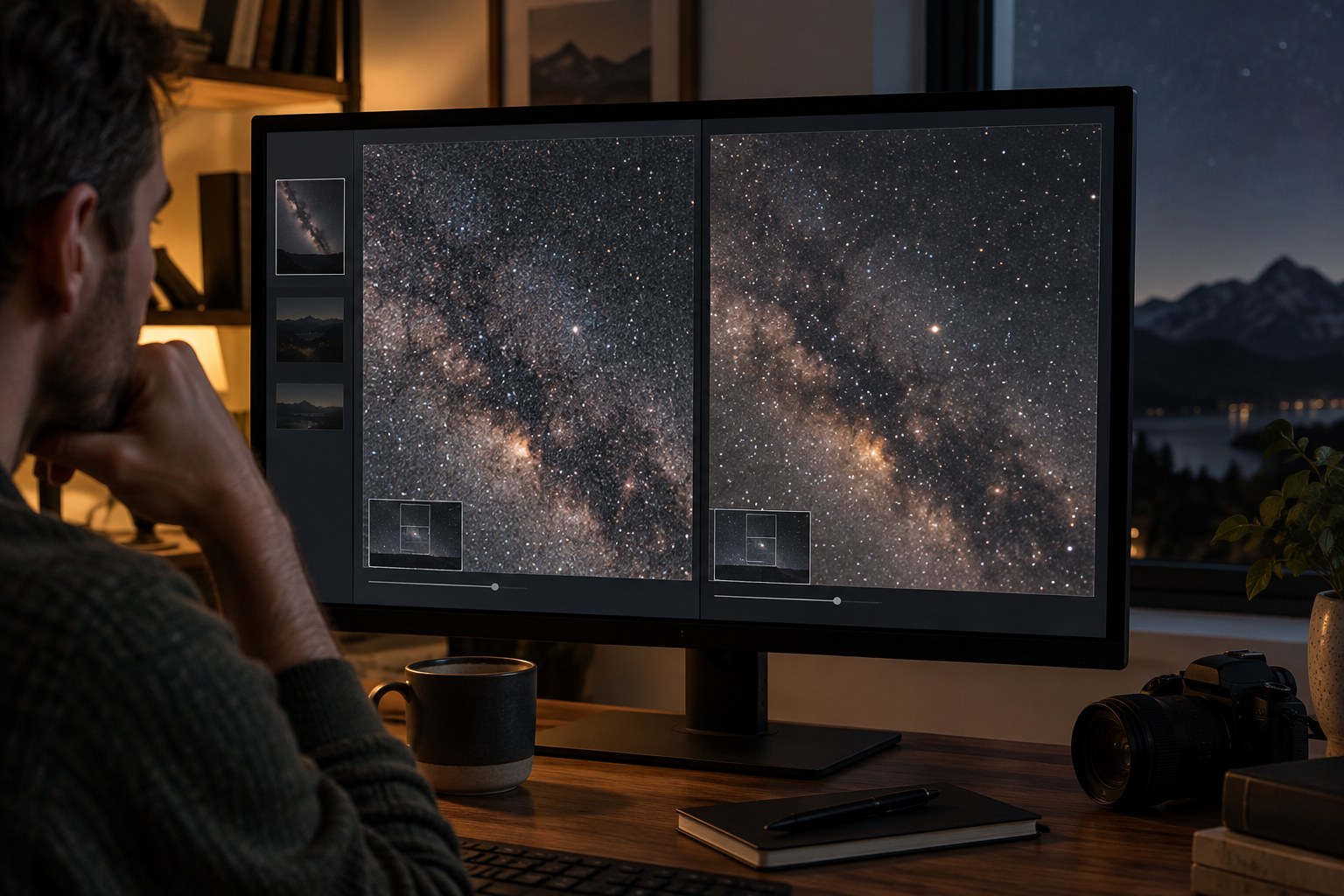
Noise reduction is a trade between unwanted variation and real detail. Judge that trade at the size the photograph will actually be seen.
Editing & colour
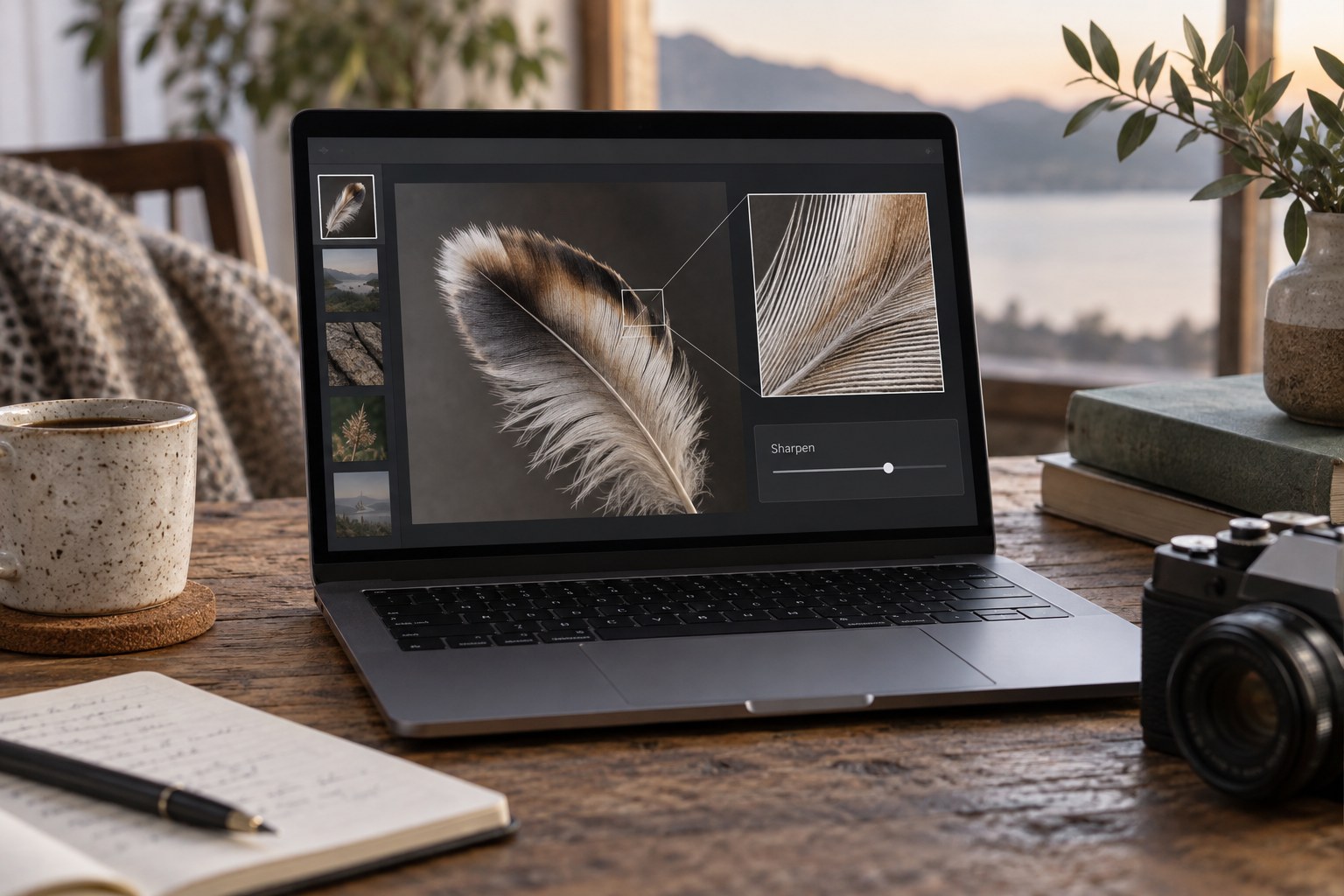
Output sharpening belongs to a particular size and medium. Apply it to the resized derivative while preserving an unresized editable master.
Editing & colour
Match the interpretation of comparable light across a series, while preserving genuine differences between locations and times of day.
Editing & colour
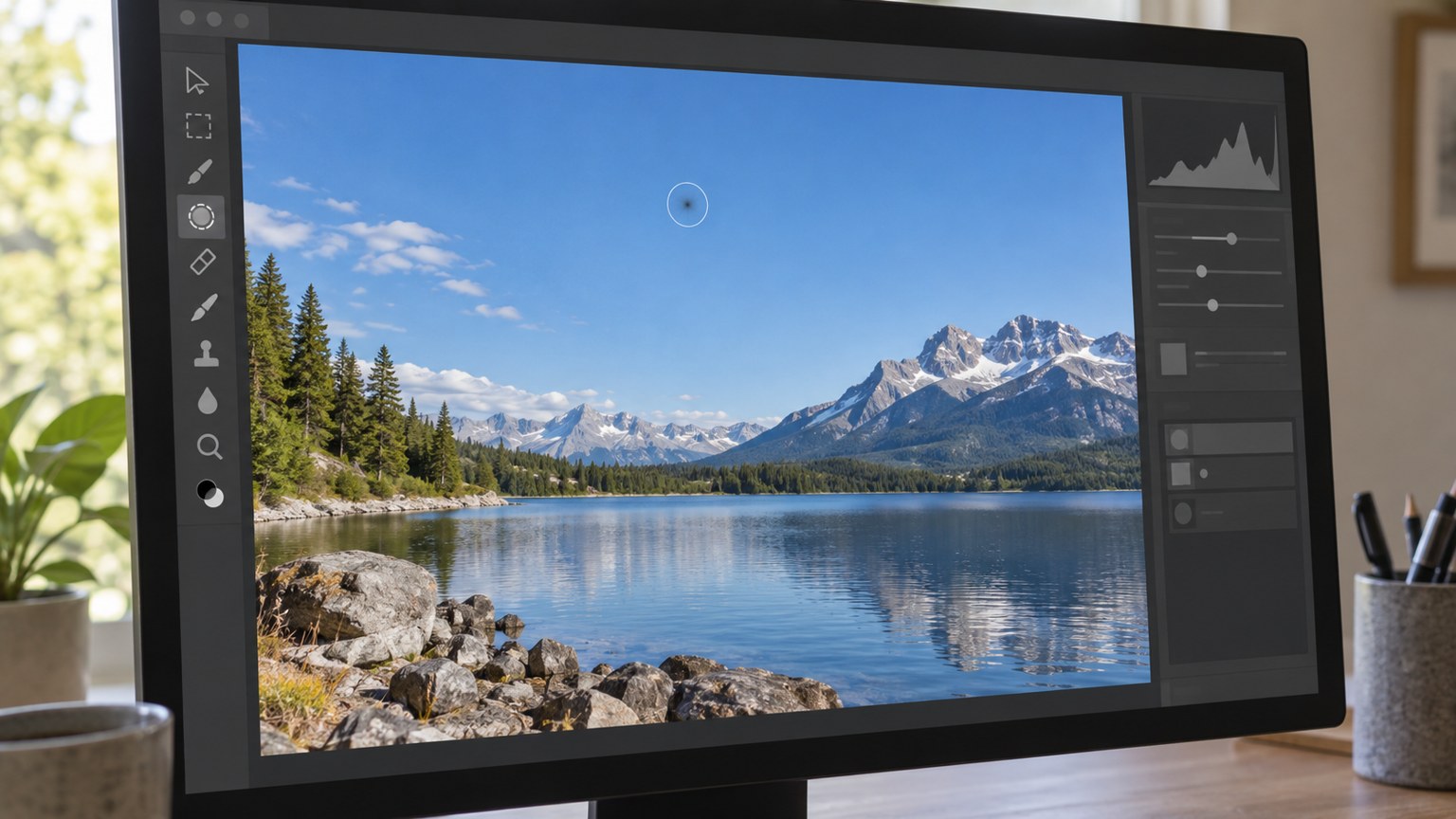
Remove a sensor-dust spot by replacing the small defect, while leaving genuine objects and surface marks alone.
Editing & colour
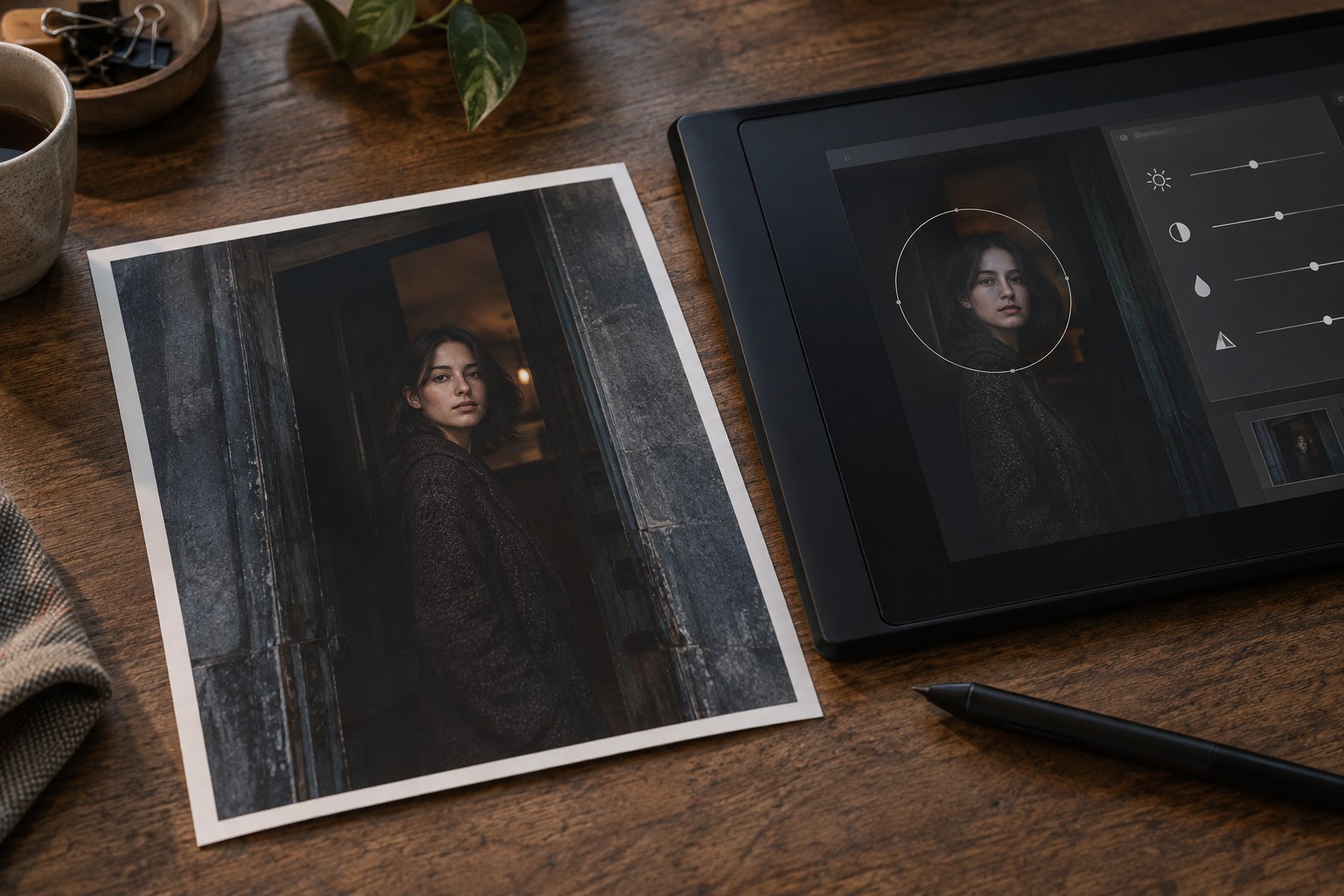
Local adjustments can clarify an existing visual hierarchy. Begin with the part of the image that needs attention, not with a collection of dramatic masks.
Editing & colour
Preserve the range of colours in a sunset instead of turning sky, clouds and foreground into the same warm tone.
Editing & colour
Woodland greens contain differences in light, material and distance. Preserve those differences instead of making every leaf equally vivid.
Editing & colour
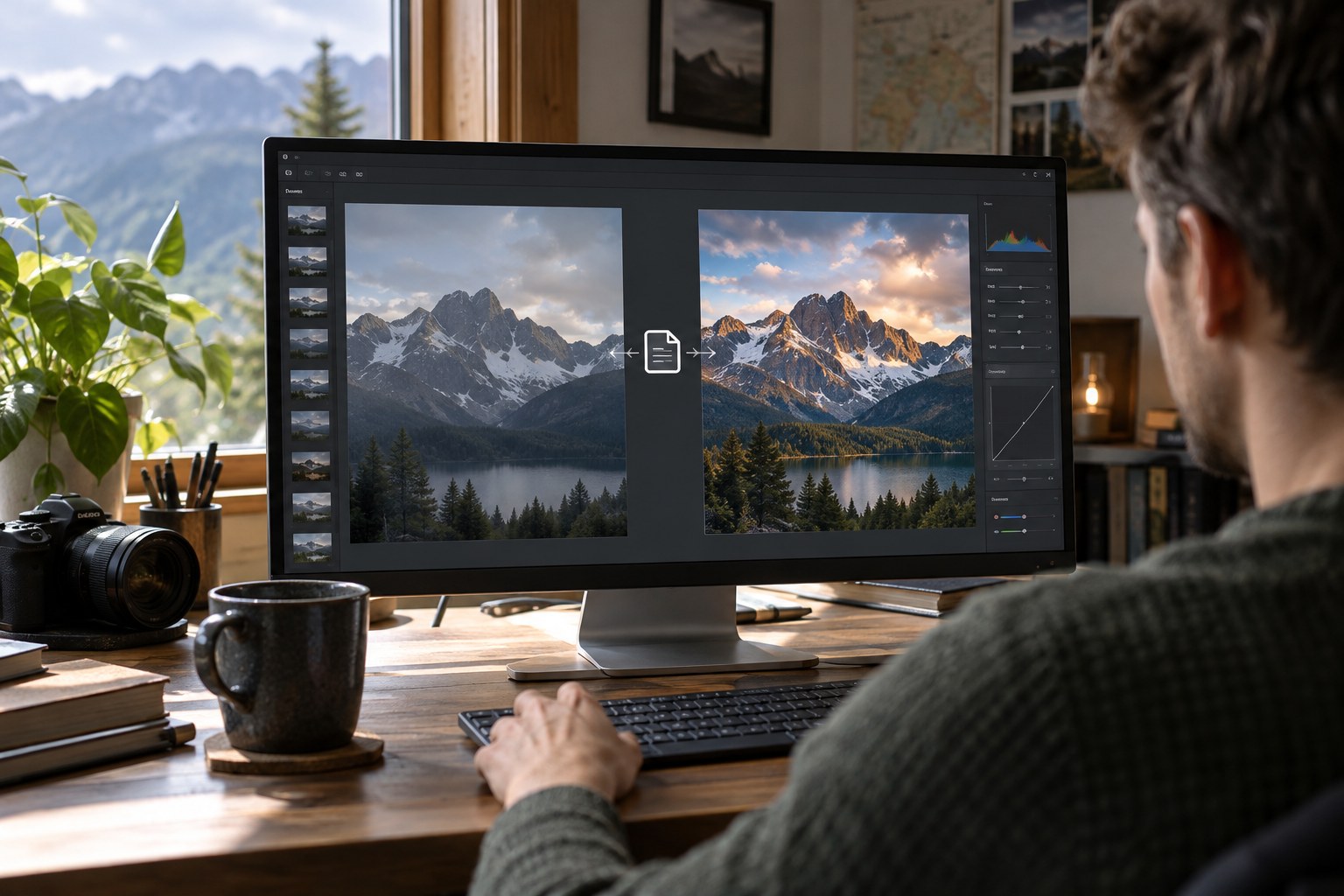
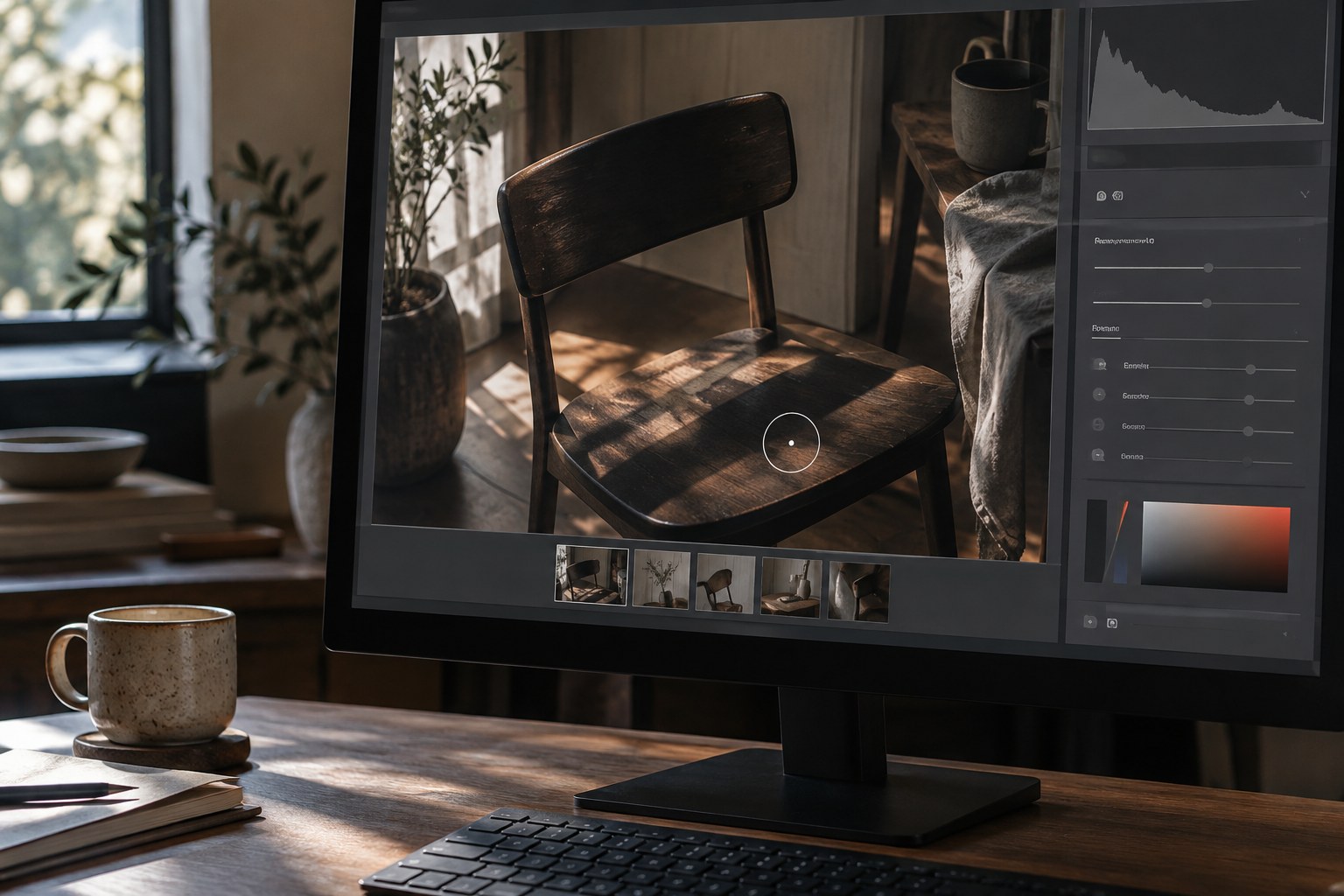
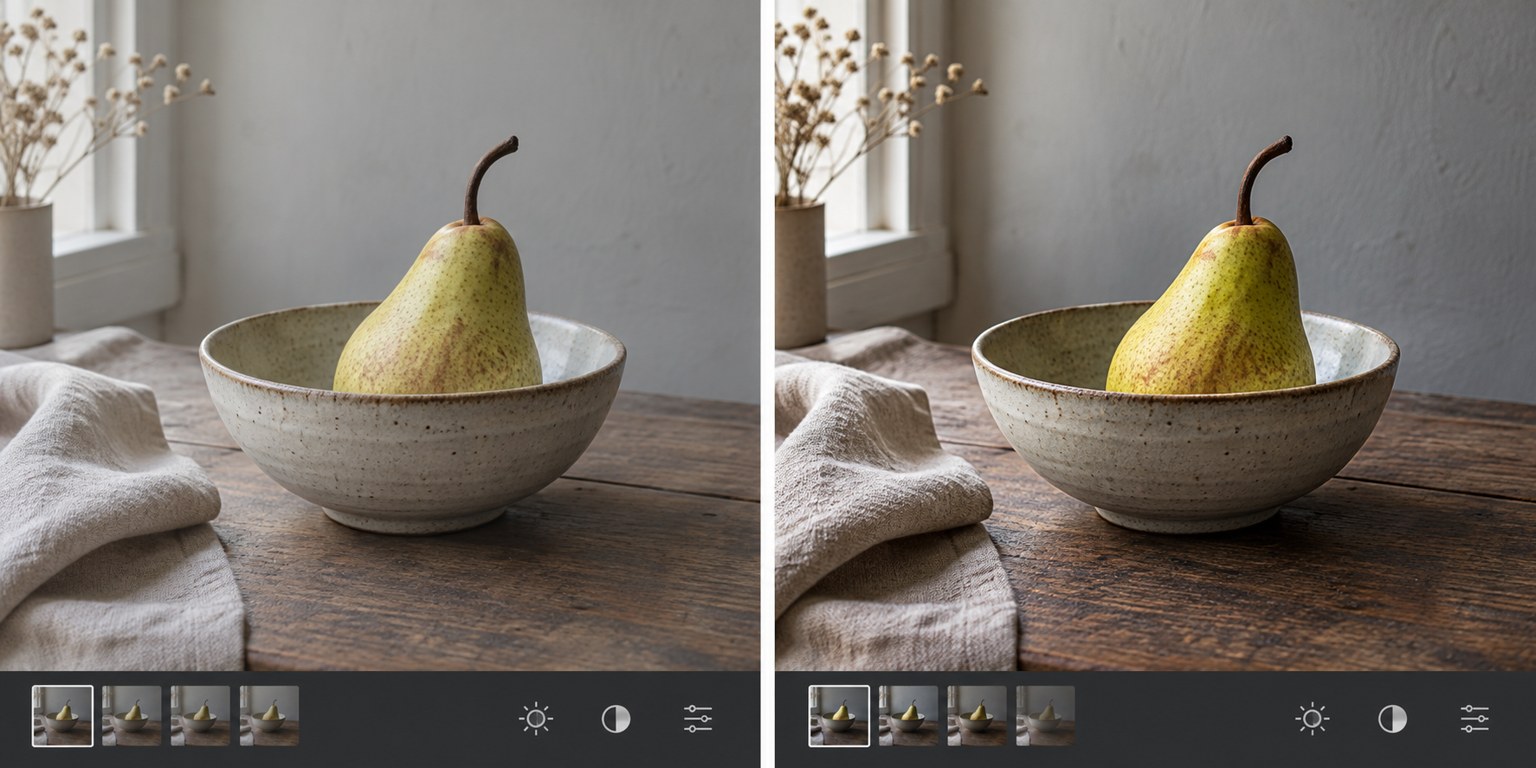
Compare a developing edit with its starting point under consistent viewing conditions, then judge each major change by its purpose.
Editing & colour
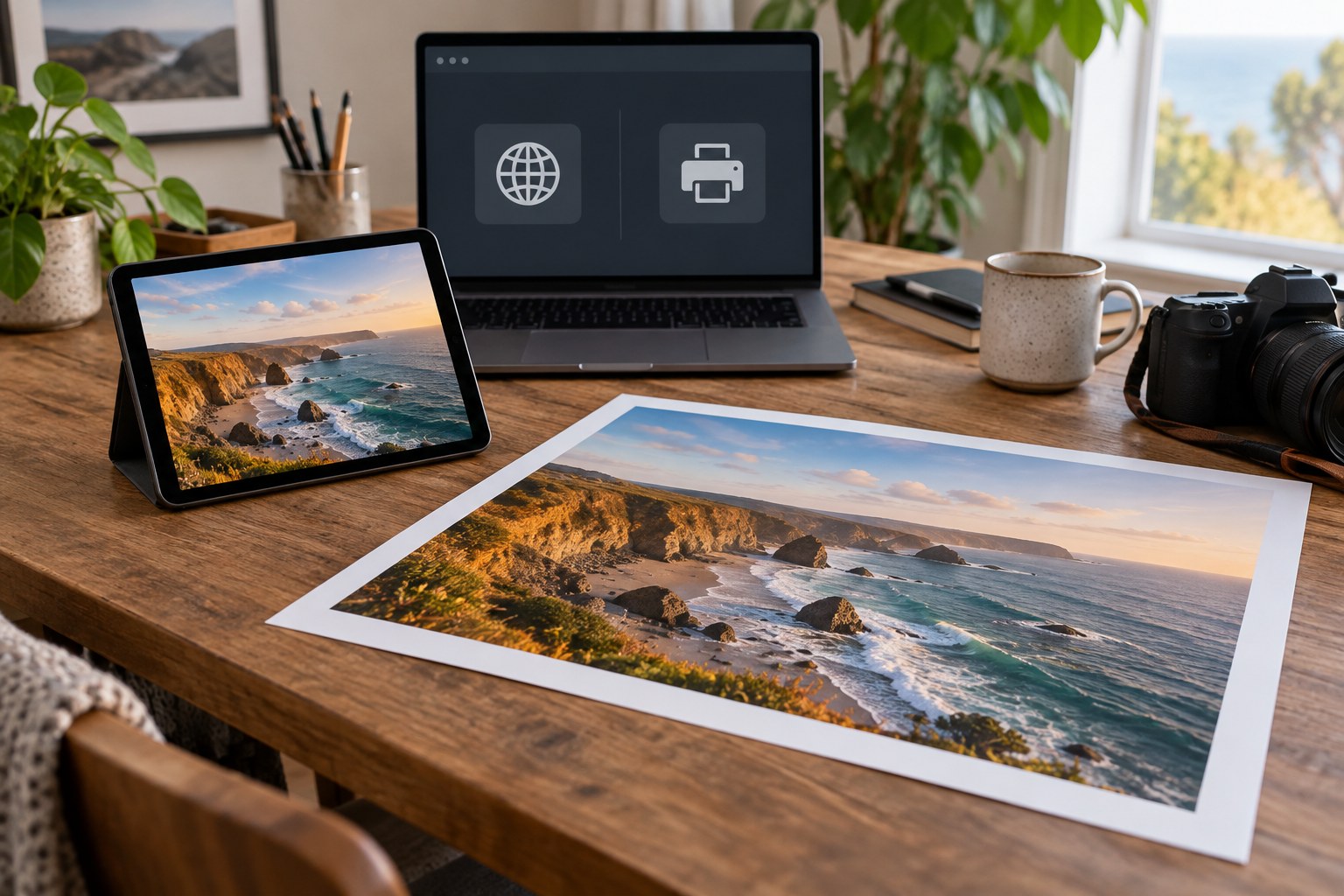
Make web and print files from the same edited master, with dimensions, colour handling and sharpening chosen for each destination.
Editing & colour
Separate file, application and display differences before changing an edit to compensate for another screen.
Editing & colour
Choose pixel dimensions from the way a gallery displays images, then inspect the exported file rather than relying on a quality slider alone.
Editing & colour
Use a short editing checklist to catch recurring omissions while leaving room for the photograph to need a different treatment.
Editing & colour
Recognise when another adjustment changes the character of a photograph without solving an identifiable problem.
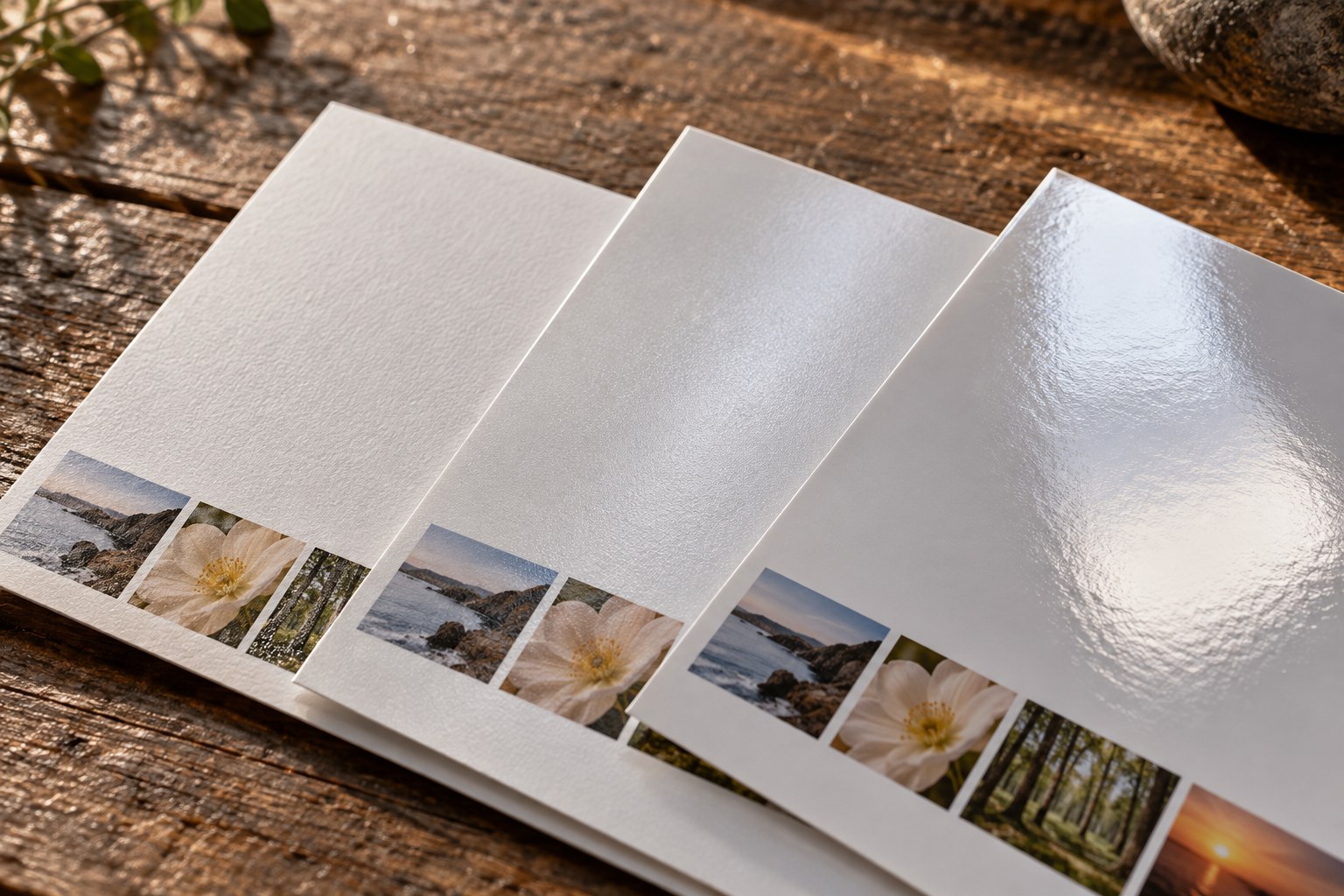
Paper & presentation
Compare paper surfaces using the same photograph and the light in which the finished print will actually be viewed.
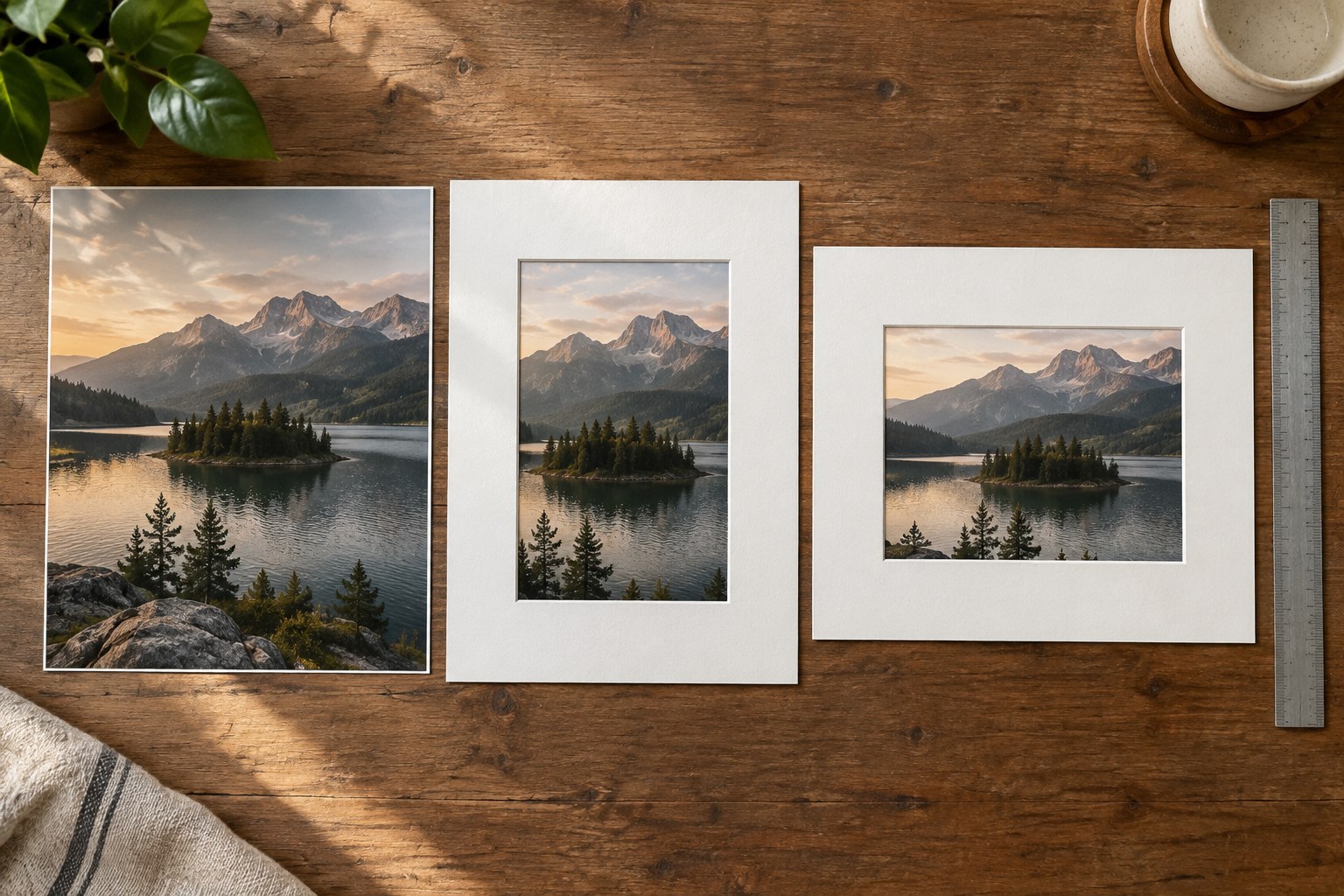
Paper & presentation
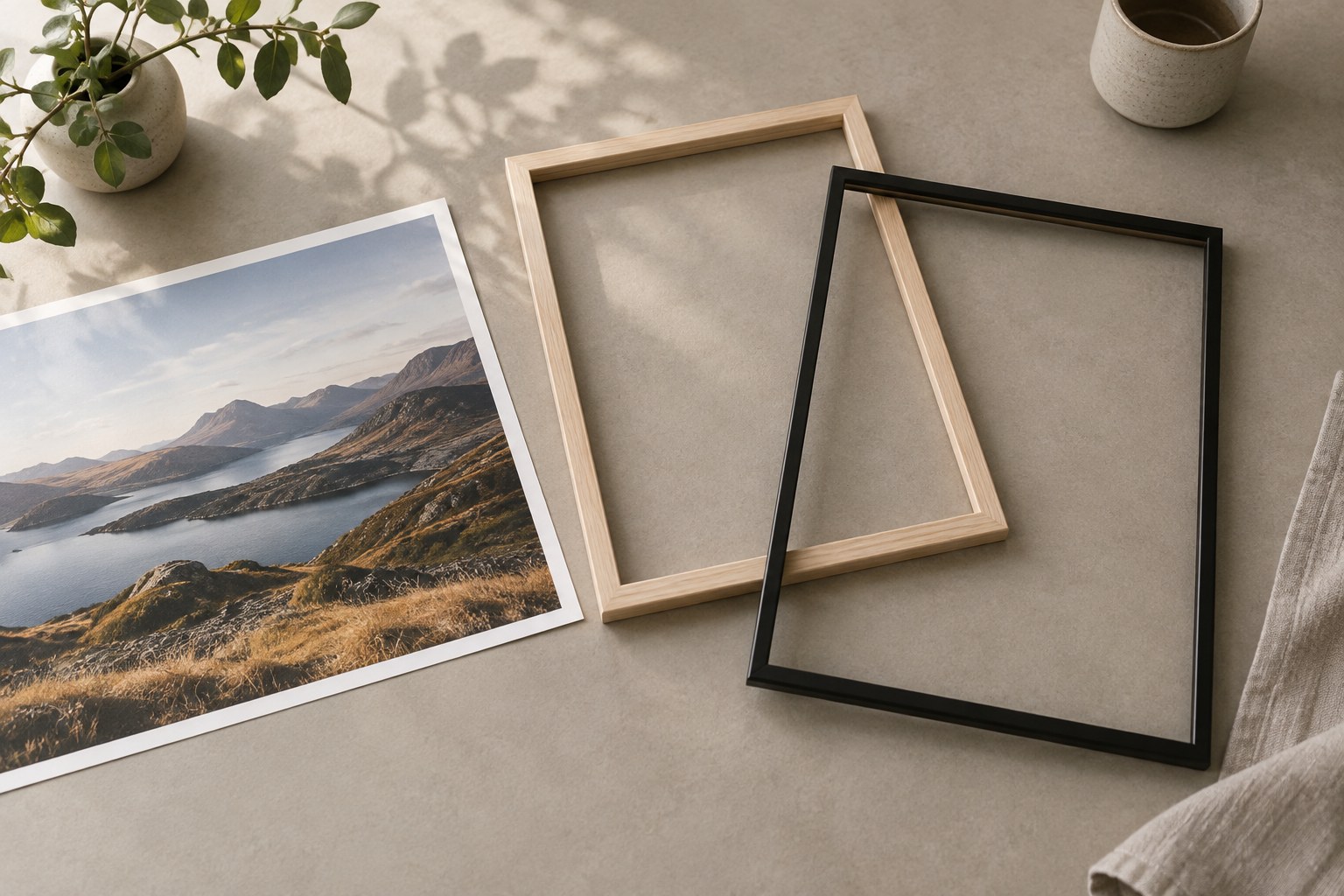
Separate image proportions, paper dimensions and the visible opening of a frame before ordering a print.
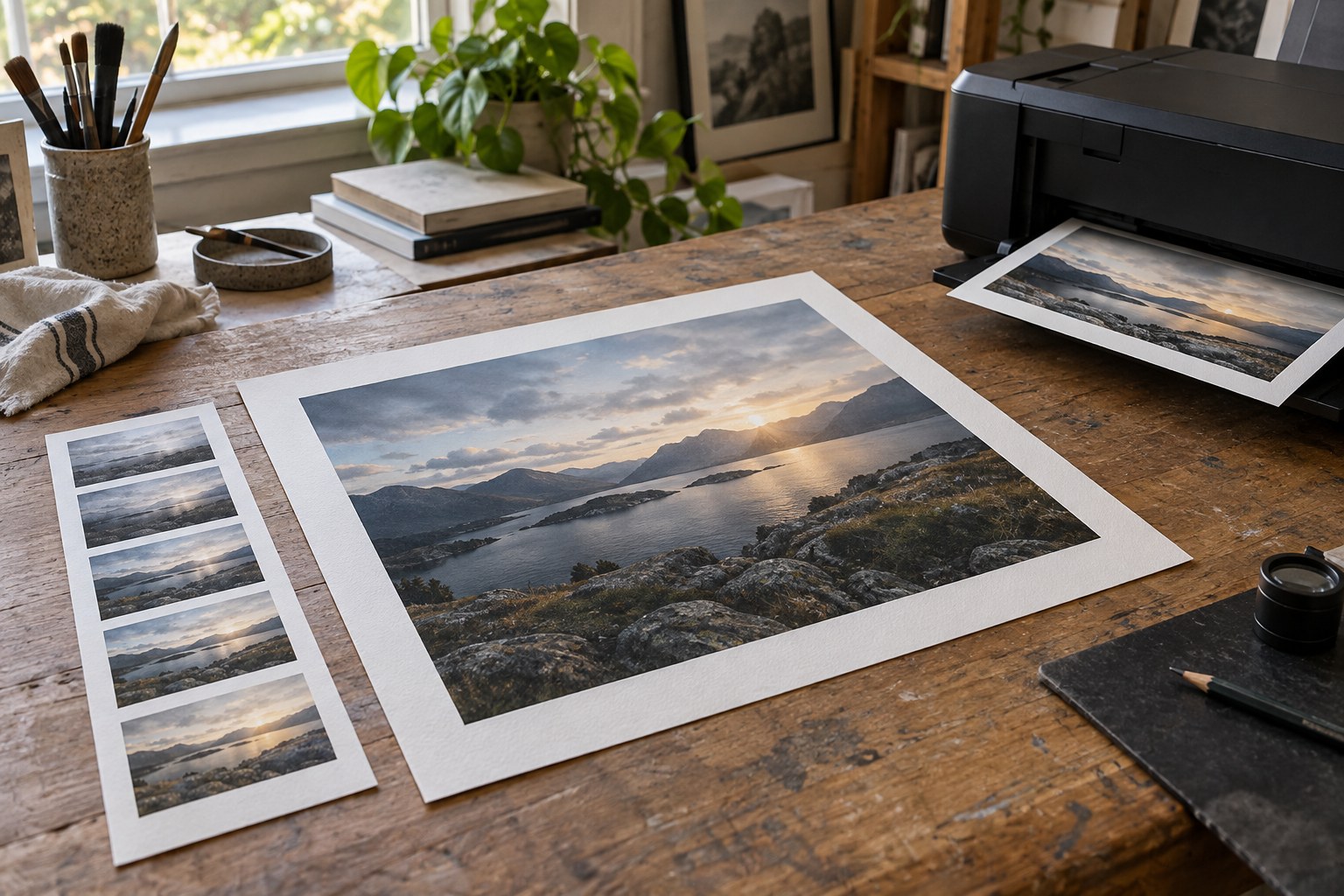
Paper & presentation
Use a test print to answer a specific question about tone, detail or size before committing to a larger output.
Paper & presentation
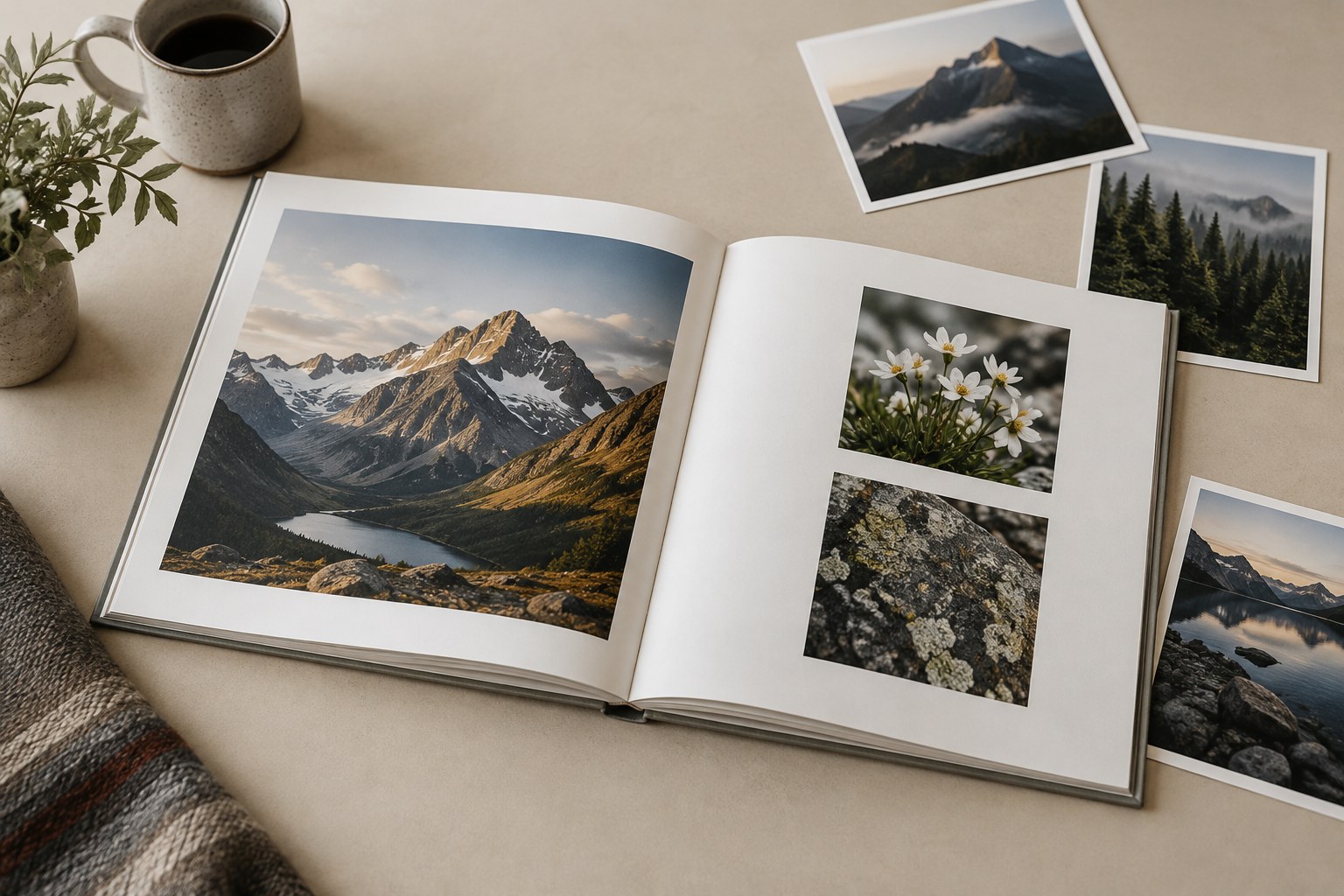
Build a photo book sequence by alternating visual roles, not by arranging every photograph in the order it was taken.
Paper & presentation
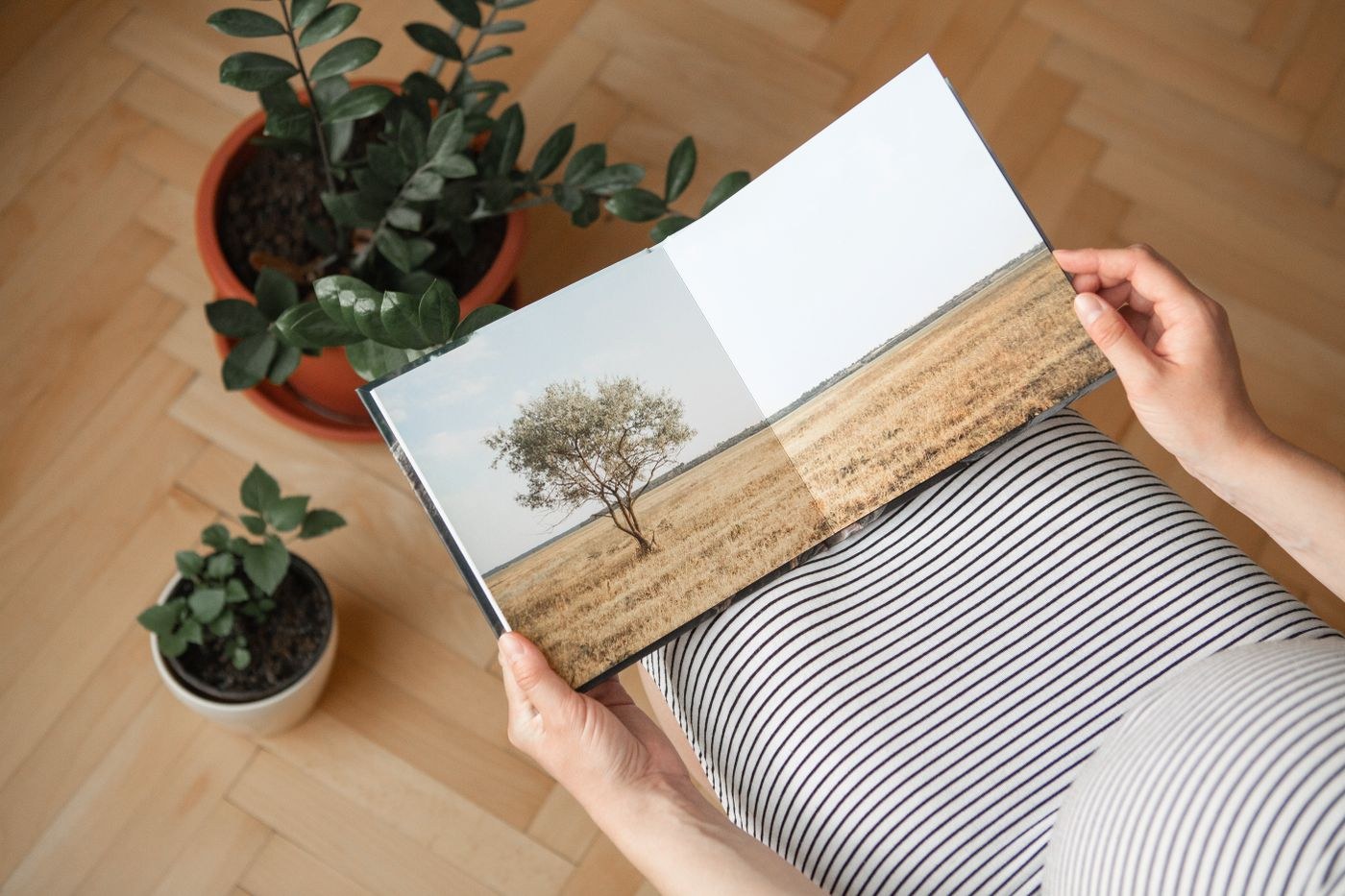
Choose page margins by considering the binding, the image and the way a reader holds the book.
Paper & presentation
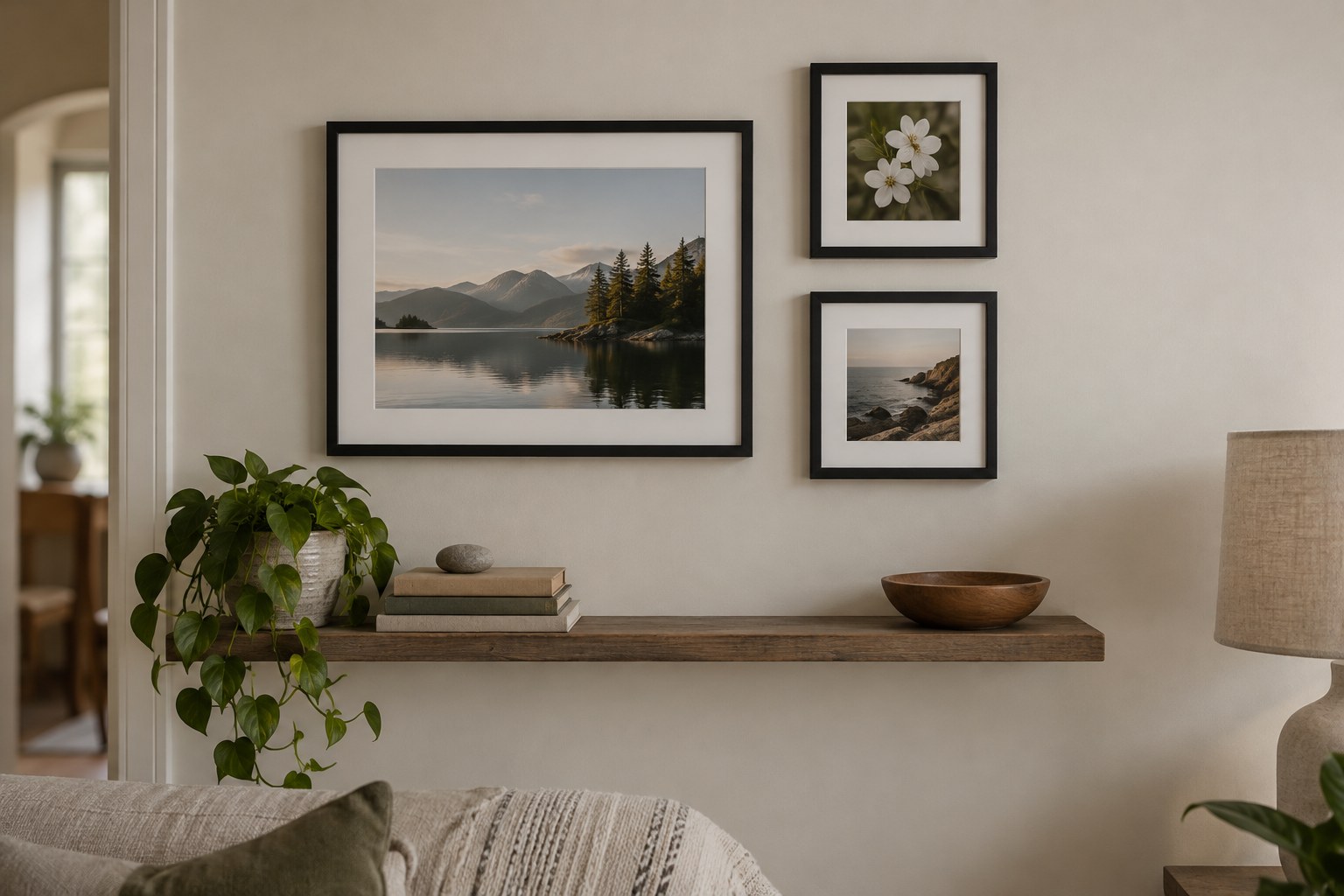
Plan a group of framed photographs as one arrangement while allowing each image enough space to remain readable.
Paper & presentation
Judge a frame by what it does to the photograph's edges, tones and viewing conditions, rather than treating it as a separate ornament.
Paper & presentation
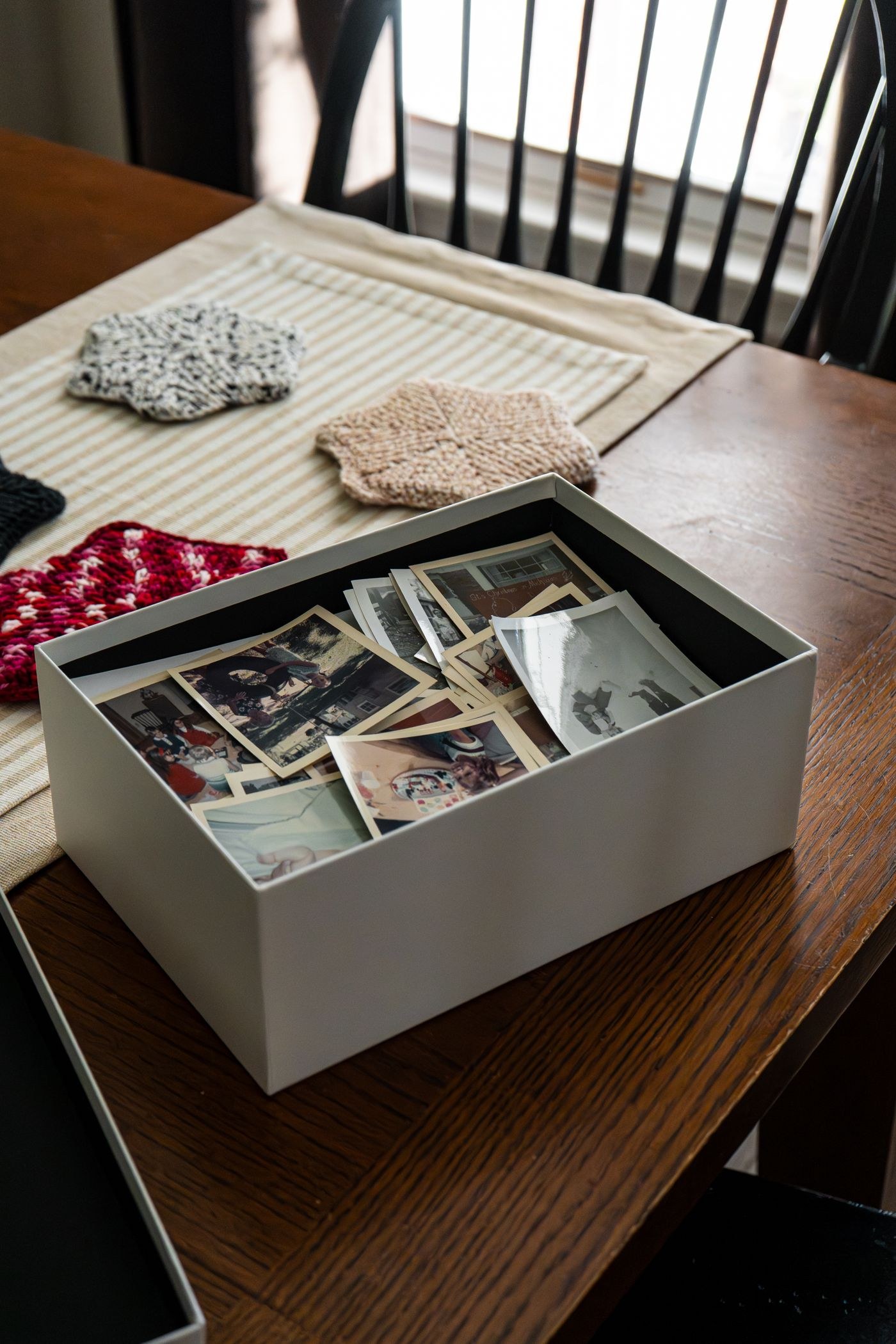
Give loose prints a physical home and a simple index so that finding one photograph does not require handling the entire collection.
Paper & presentation
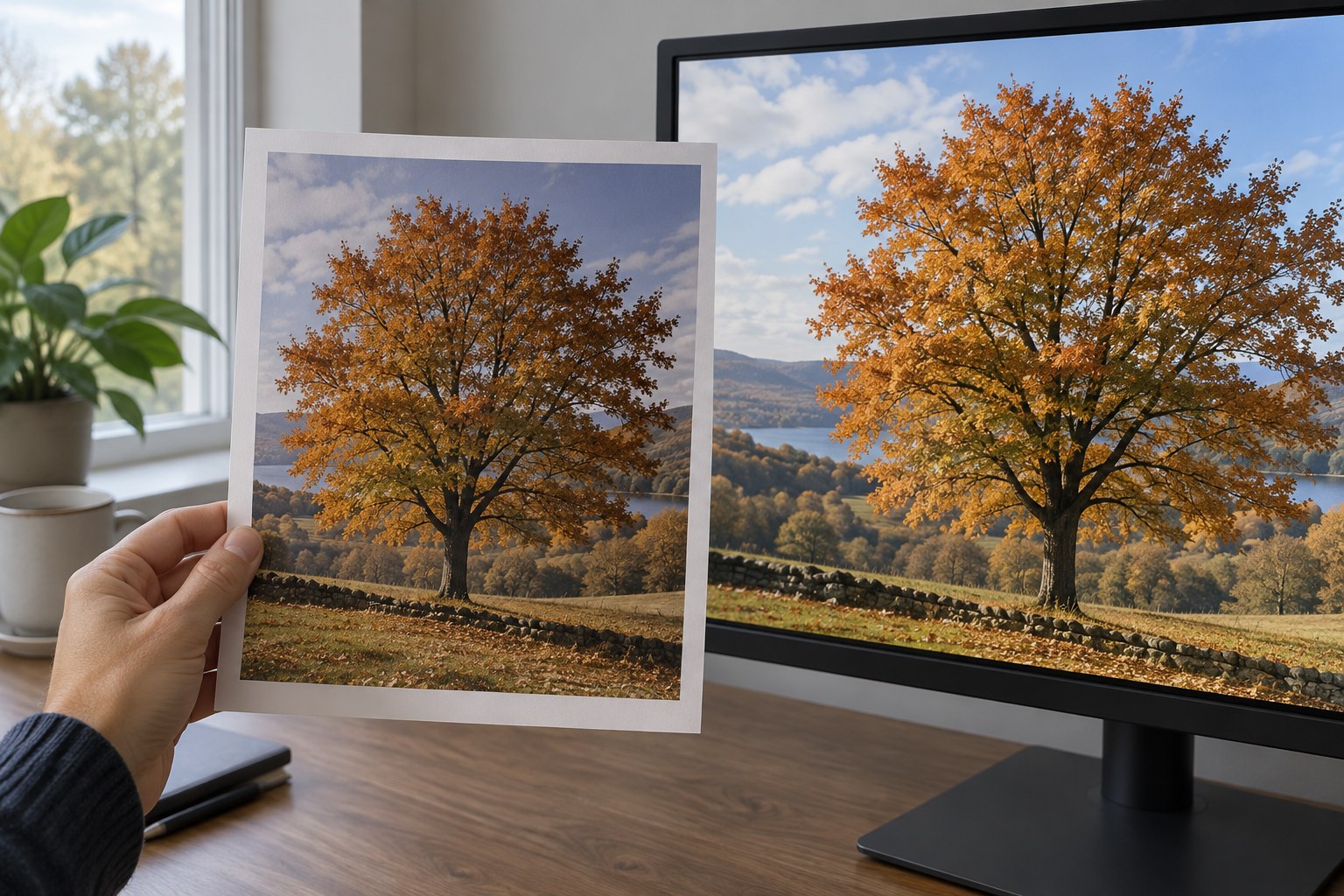
Separate a lighting mismatch from an editing problem before changing a file to make a print resemble its screen view.
Paper & presentation
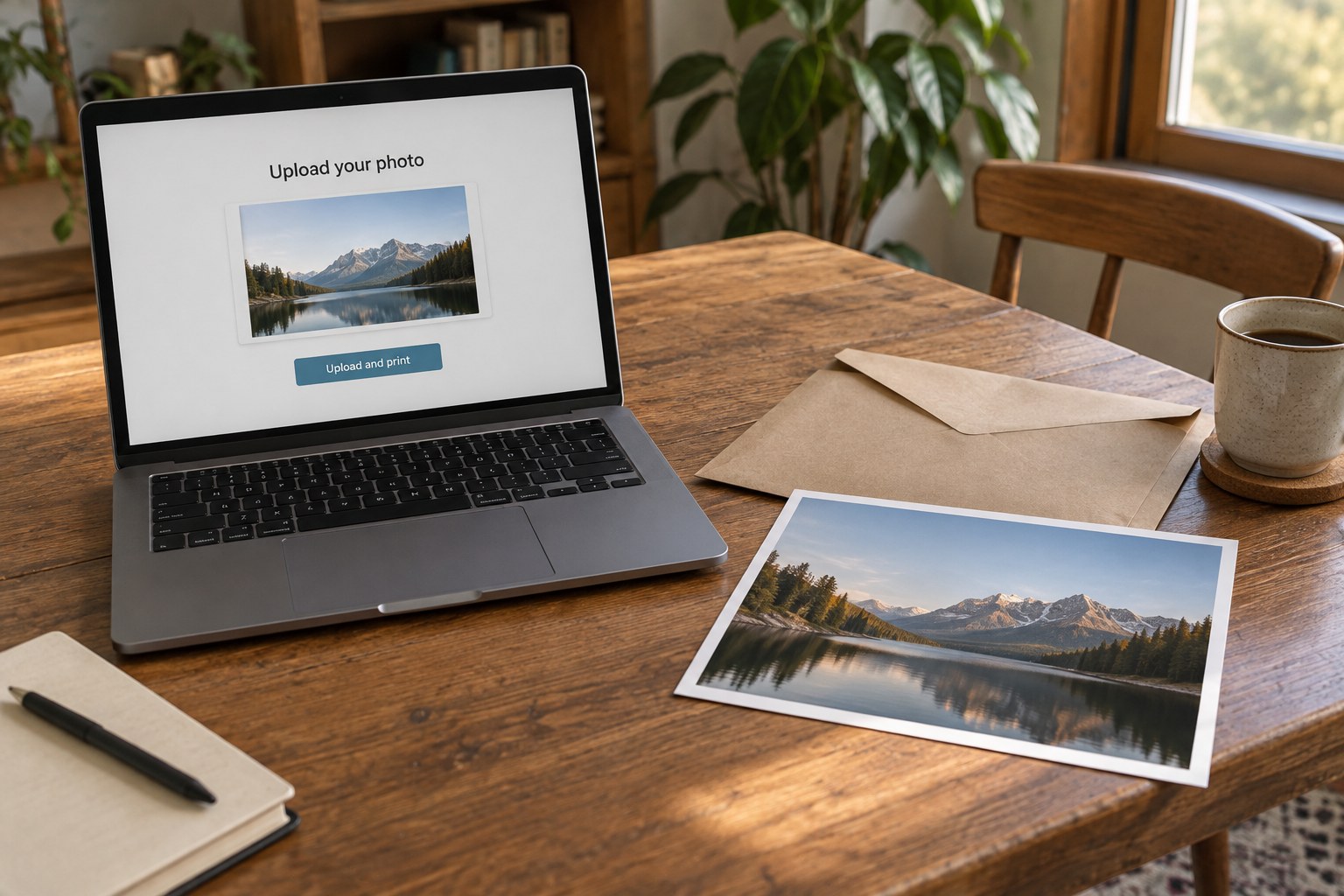
Prepare a print-service file by checking the chosen product's requirements, then verify the uploaded preview before ordering.
Paper & presentation
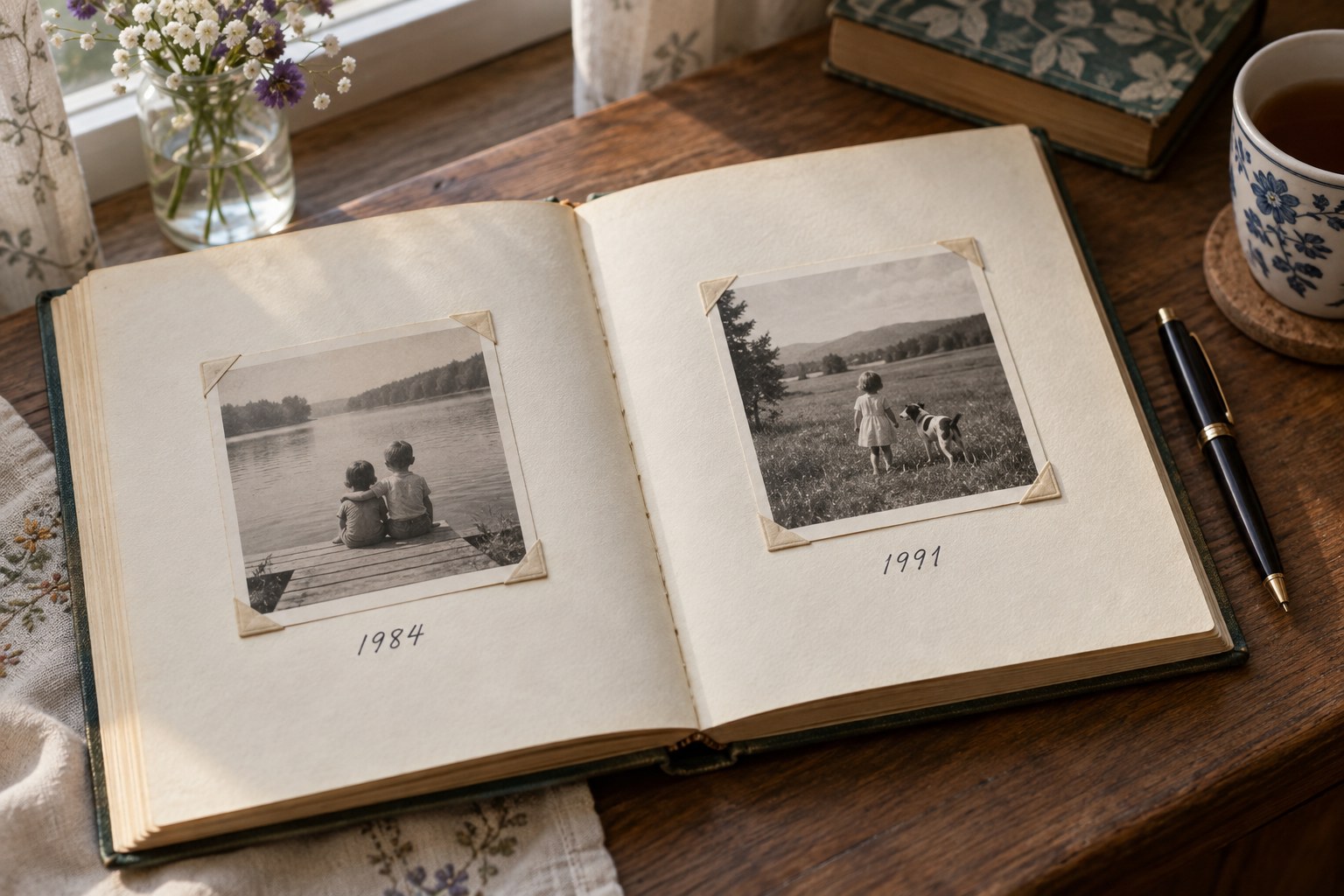
Write captions that preserve names, relationships and context without repeating everything the photograph already shows.
Paper & presentation
Select a portfolio by defining what it should demonstrate, then remove images that repeat a role already performed more clearly elsewhere.
No matching articles. Change the search or clear the selection.