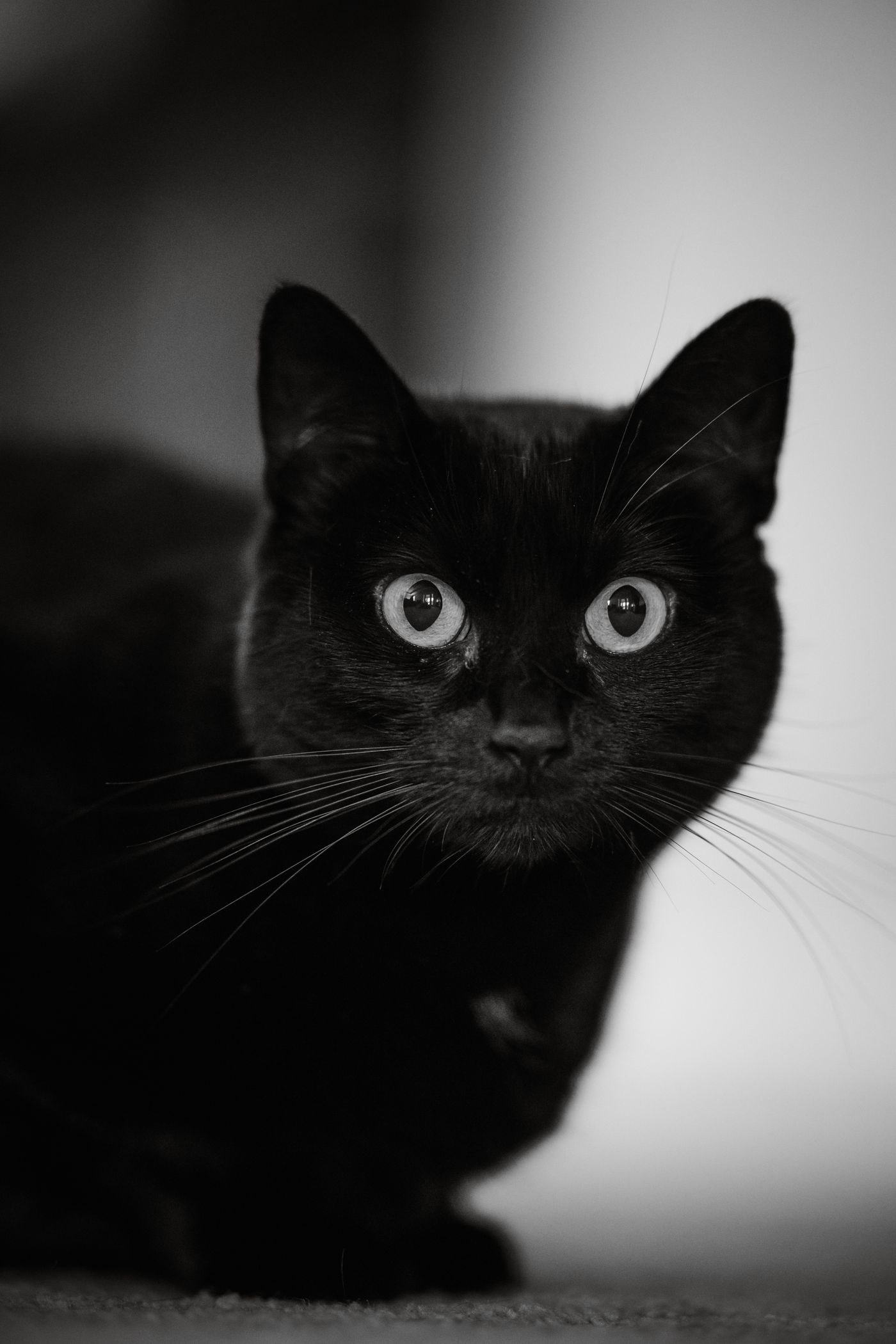
A camera's reflected-light meter does not know that a black coat is meant to look black. When a dark subject fills the frame, automatic exposure may make it lighter than expected. The correction is not to force every shadow to the left edge of the histogram, but to restore the subject's intended tone while keeping the texture that matters.
Photograph the object in steady light and inspect a test frame. If it looks washed out, apply a modest negative exposure compensation and compare again. In manual exposure with fixed ISO, reduce the exposure directly instead. Check which settings your camera changes: exposure compensation can behave differently when auto ISO is active.
Look at folds, seams or surface marks rather than the average darkness alone. A black fabric photographed under flat frontal light may show little form even at a technically reasonable exposure. Moving the light to one side, or turning the object towards a window, can reveal texture through small highlight and shadow differences without making the whole material grey.
Glossy dark subjects need separate attention. A black ceramic mug can contain bright window reflections and a very dark body at the same time. Decide whether the reflection describes the curve or interrupts it. Move the mug or the camera to reshape the reflection before simply darkening the exposure. A clipped reflection cannot always be repaired, while excessive darkening may erase the body completely.
Keep a neutral reference in an extra frame if colour accuracy matters. Some dark materials are navy, brown or green rather than neutral black, and an aggressive shadow adjustment can hide that distinction. Judge the file on a display that is not set unusually bright. A dim room and a very bright monitor can encourage an edit that becomes too dark elsewhere.
For a series, maintain the same light and exposure reference when changing the framing. A close crop filled by the dark object and a wider view containing a pale wall can provoke different automatic readings. Compare both at the same output size. The object should retain its identity across the sequence even though the surrounding tones have changed.