Light & exposure
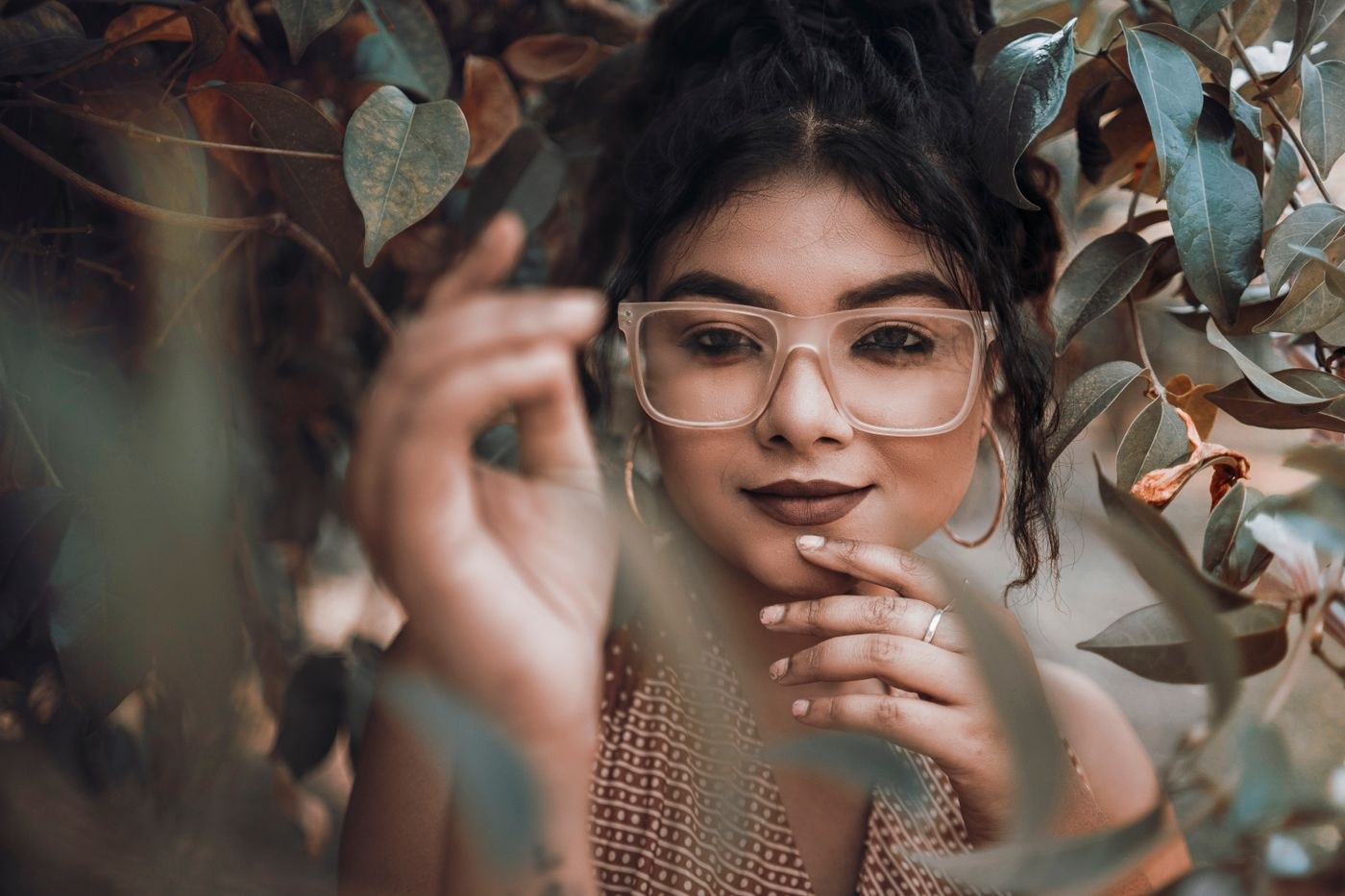
Window portraits without a flash
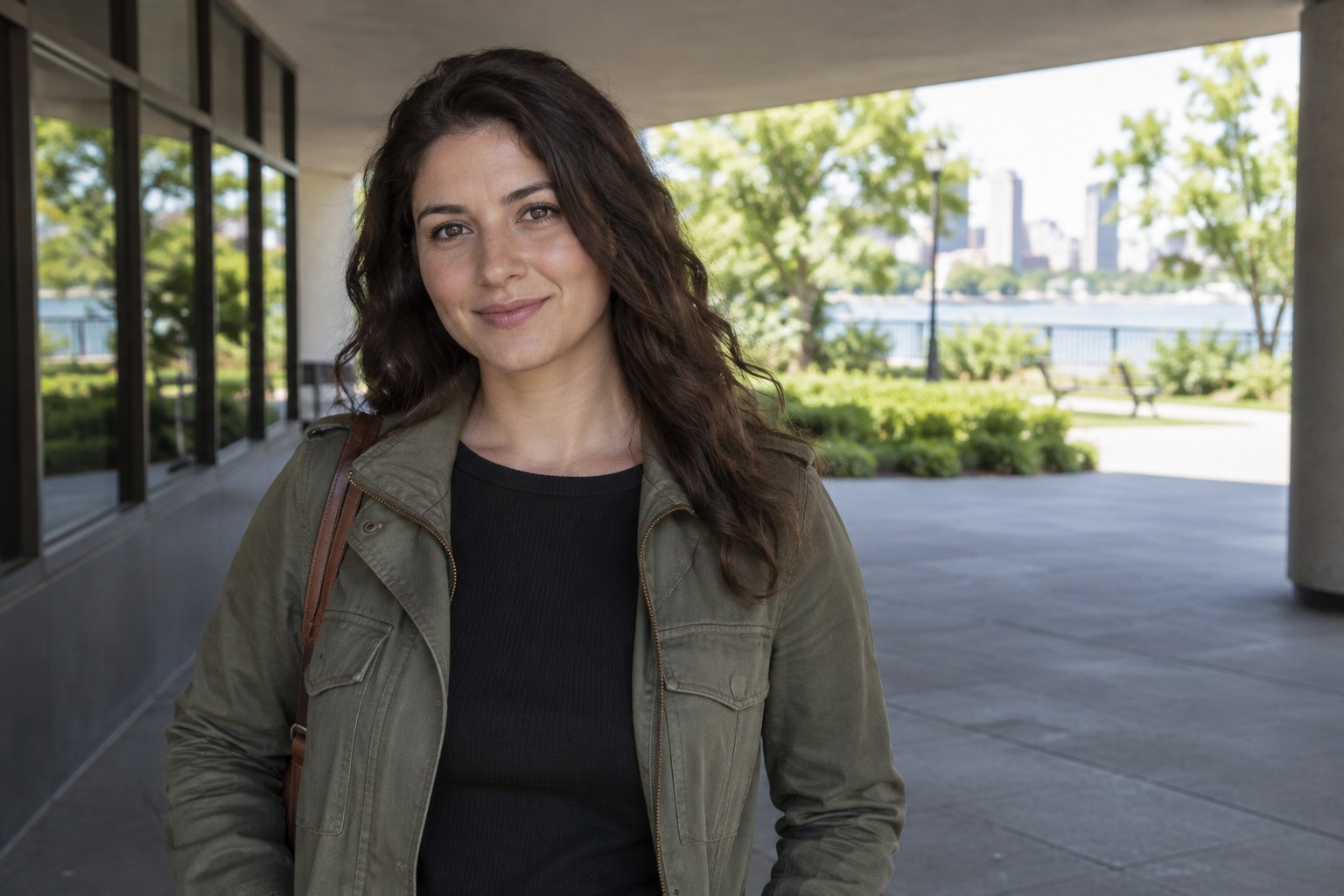
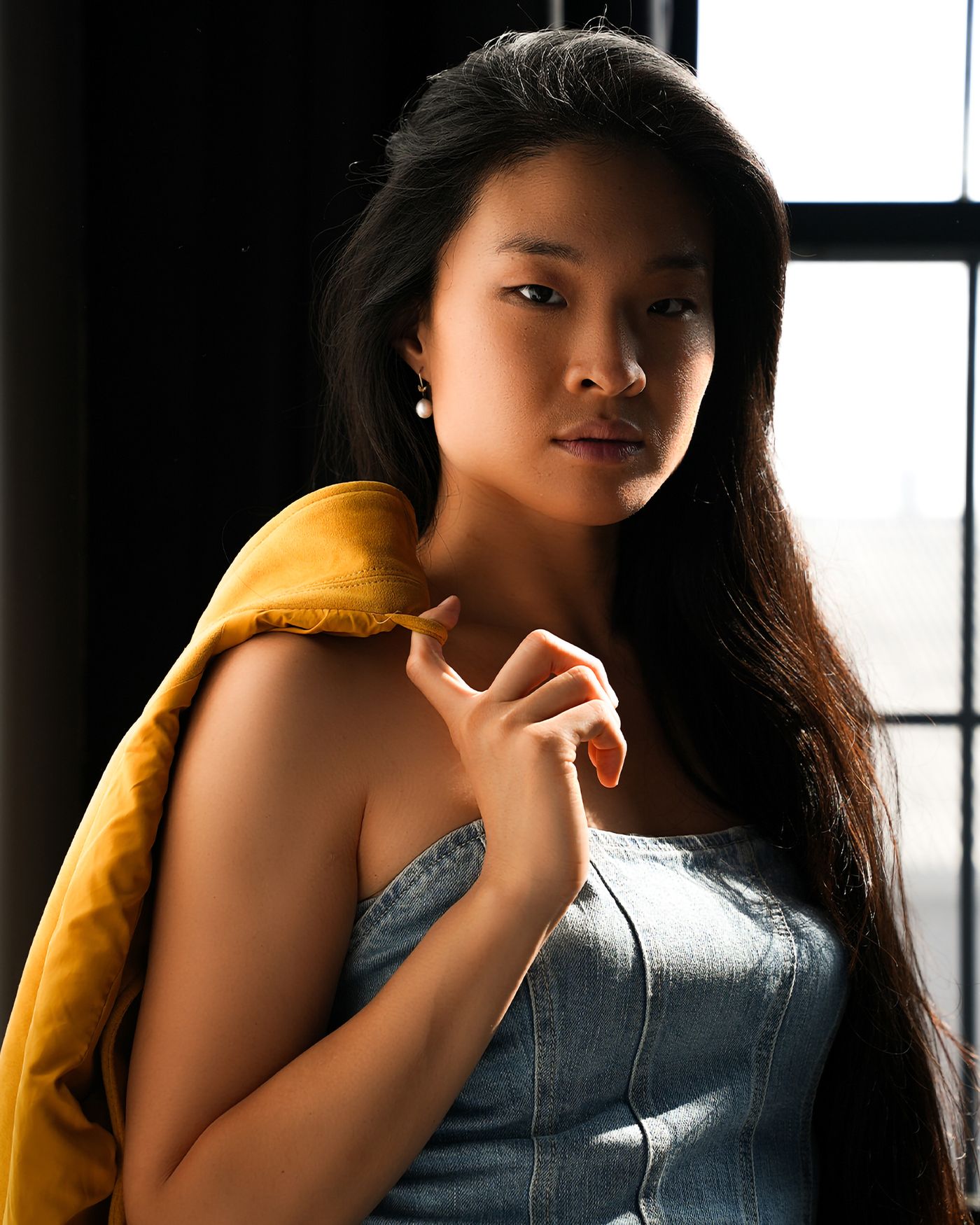
Position a person, camera and background around one window, then use the face to judge exposure and shadow depth.
Journal / 030
Search the journal and explore individual questions about photography.
30 articles
Light & exposure
Position a person, camera and background around one window, then use the face to judge exposure and shadow depth.
Light & exposure
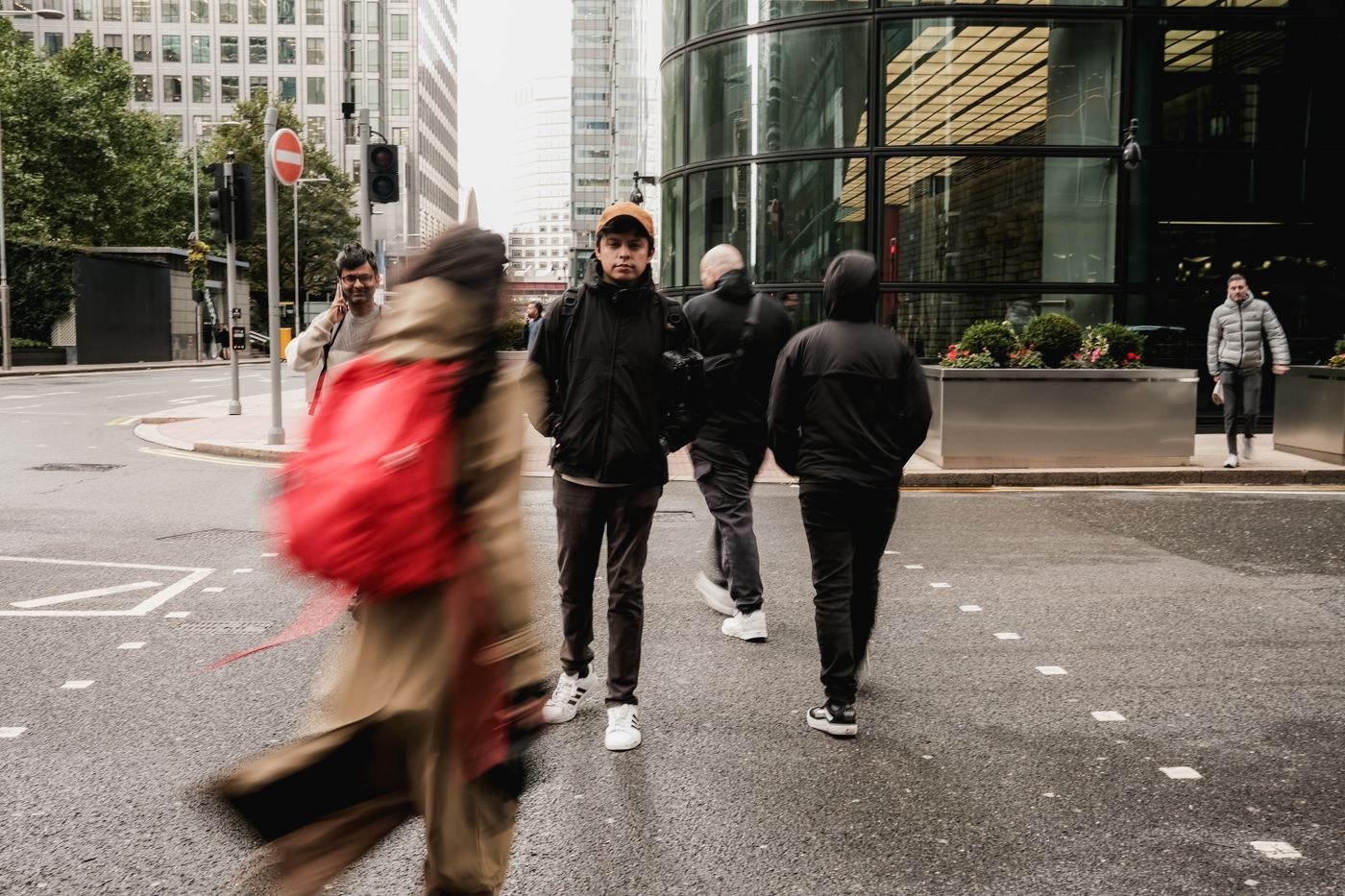
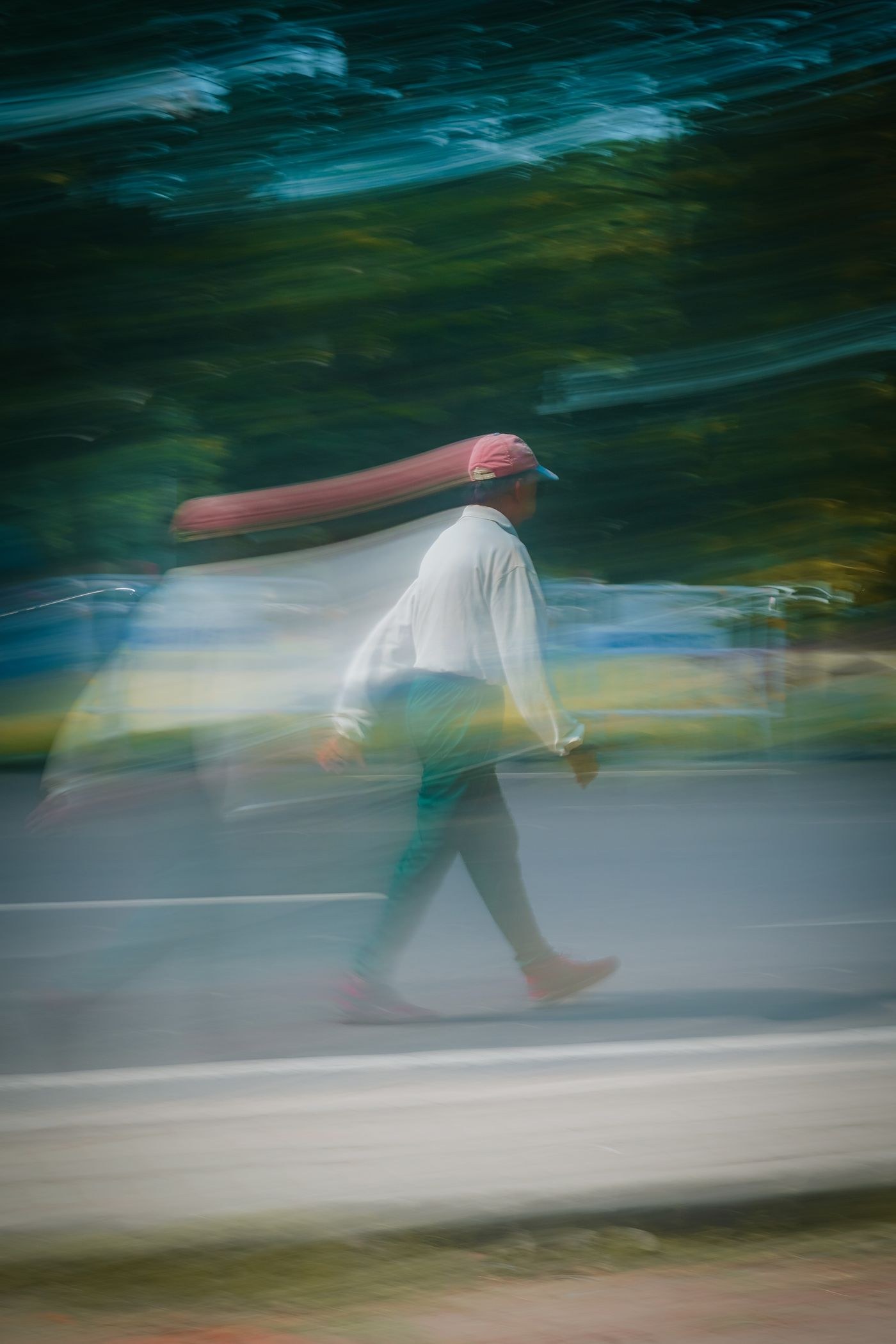
Use the direction of travel, distance and intended blur to choose a starting shutter speed for people on foot.
Light & exposure
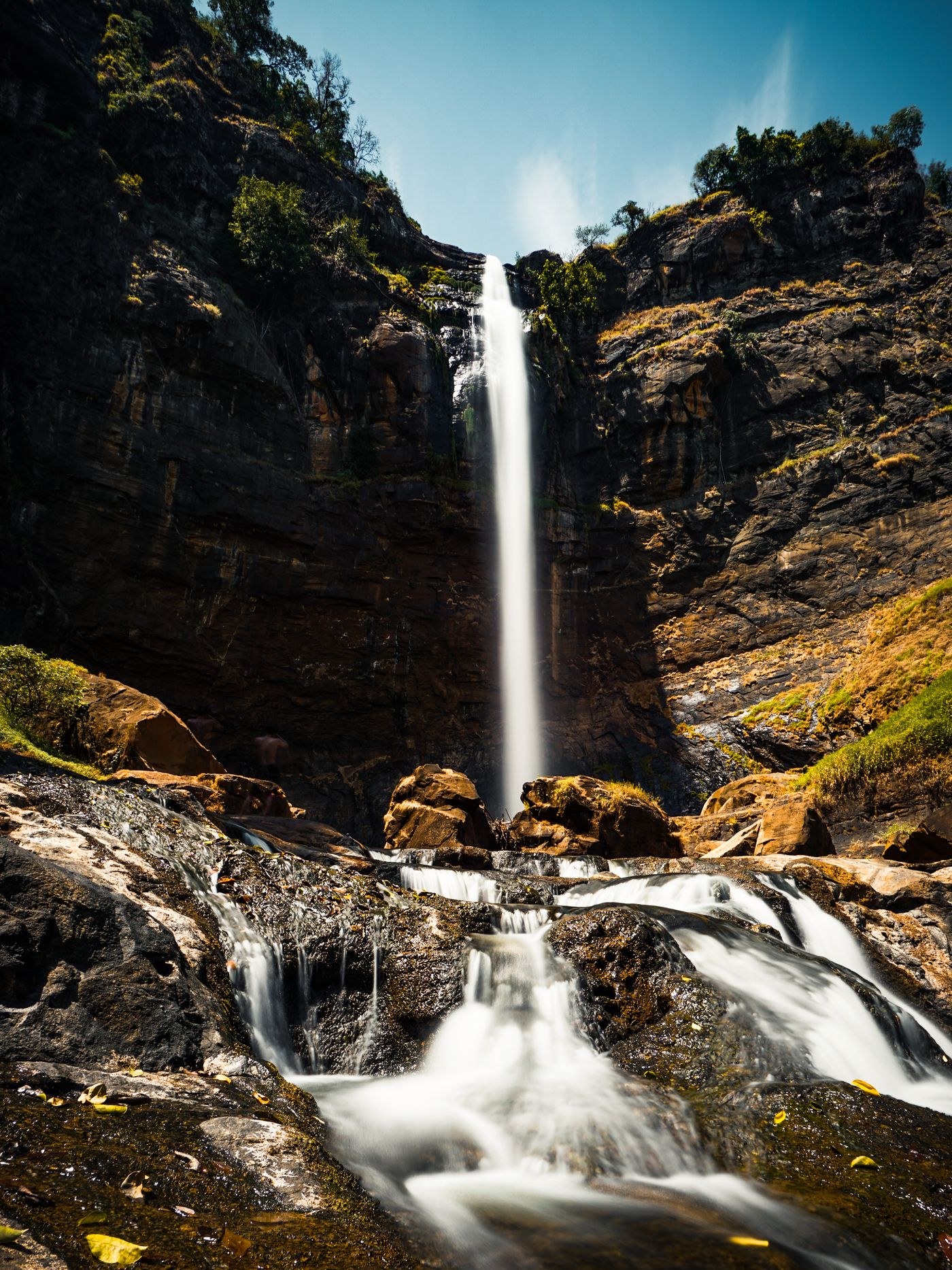
Match the exposure time to the structure you want to retain in a stream, fountain or breaking wave.
Light & exposure
Decide which sky detail matters, then balance exposure, timing and composition around the scene's contrast.
Light & exposure
Find shade that still receives open-sky light, then check the face for colour casts and distracting background brightness.
Light & exposure
Use three small objects to see how aperture, focus distance and viewing size affect apparent sharpness.
Light & exposure
Keep an eye sharp when foliage, a doorway or other foreground detail competes for autofocus attention.
Light & exposure
Preserve the character of a dark coat, ceramic object or fabric without letting the meter turn it into a midtone.
Light & exposure
Make white fabric or paper look light while preserving the small tonal differences that describe its surface.
Light & exposure
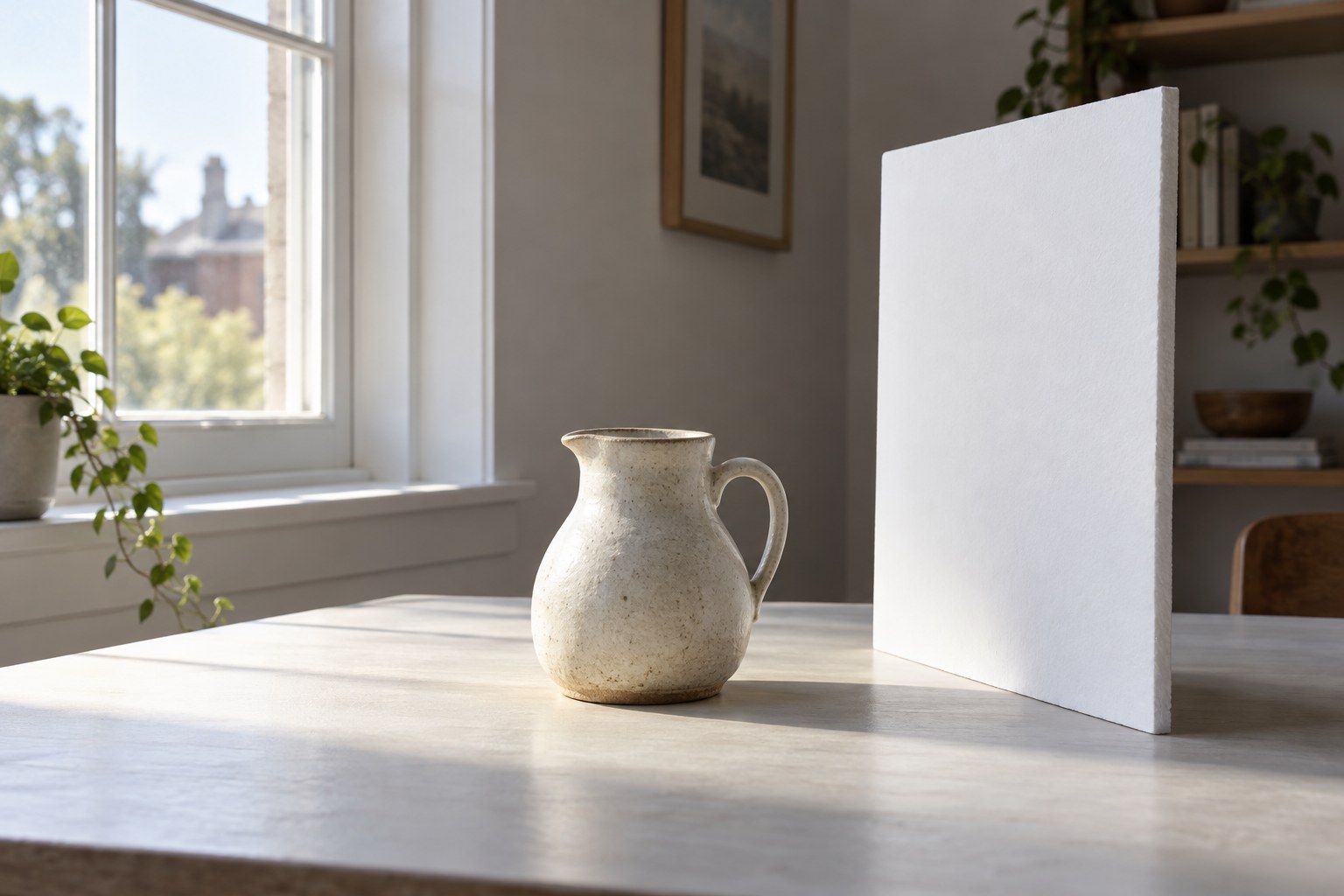
Use a white board to lift window-side shadows while keeping the direction and shape of the original light.
Light & exposure
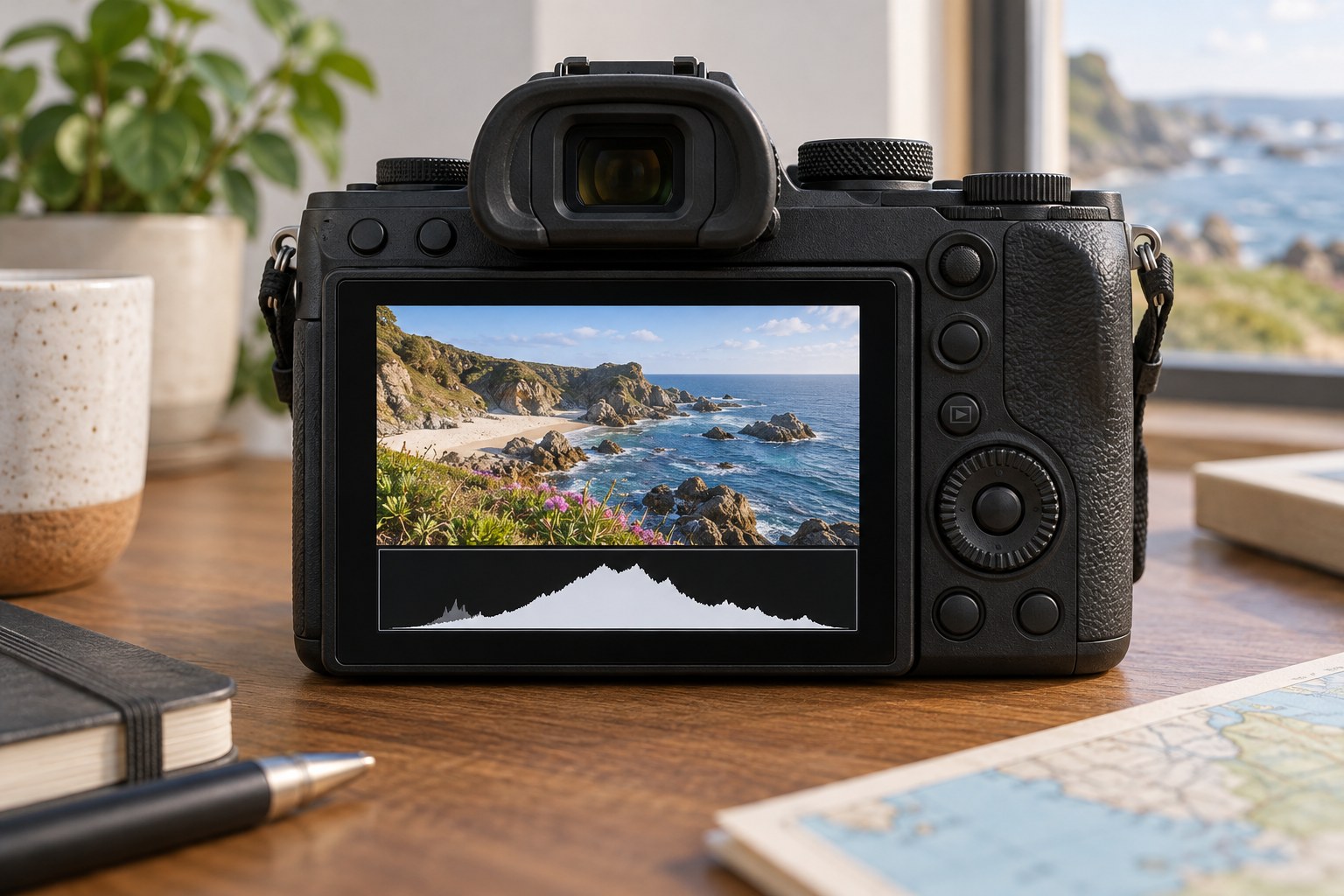
Interpret a histogram in relation to the subject instead of trying to force every photograph into a central mound.
Light & exposure
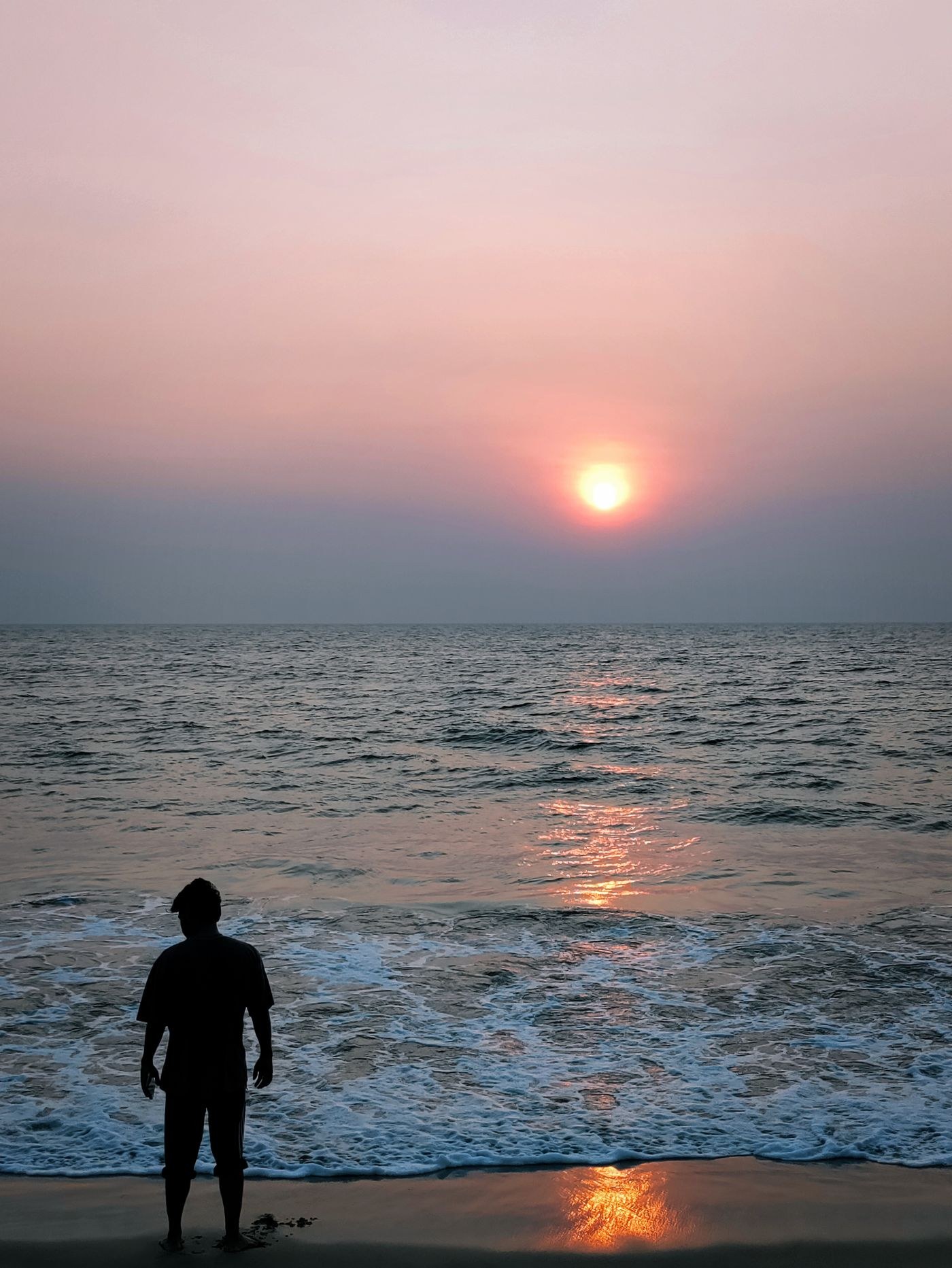
Use a readable outline and a bright background to make a sunset silhouette deliberate rather than merely underexposed.
Light & exposure
Reduce competing light colours before using white balance to make an indoor sequence consistent.
Light & exposure
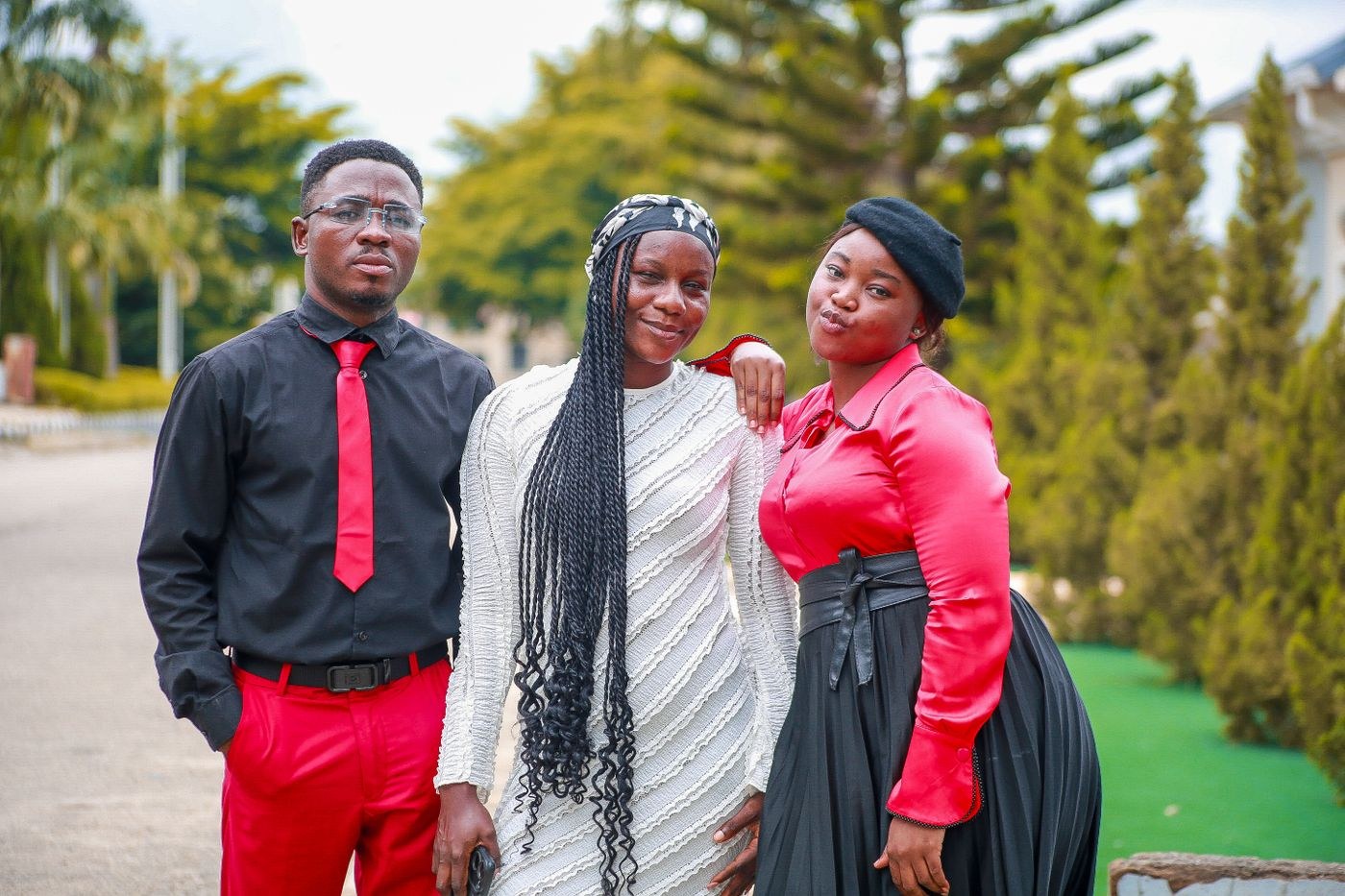
Arrange faces at similar distances before choosing an aperture to cover the depth of a group.
Light & exposure
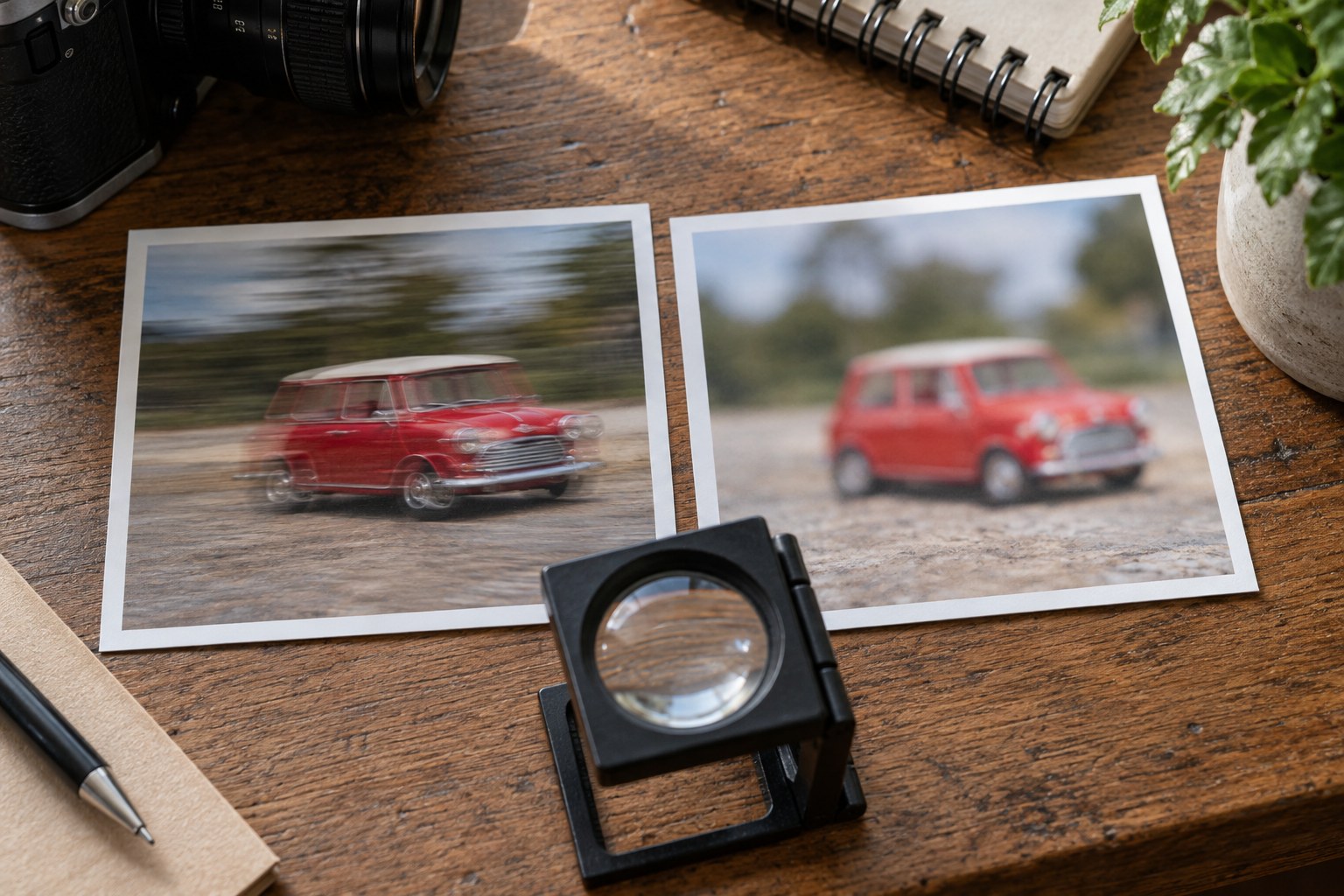
Use the pattern of softness to distinguish camera movement, subject movement and focus placed at the wrong distance.
Light & exposure
Keep a subject consistently exposed as it moves in front of backgrounds with different brightness.
Light & exposure
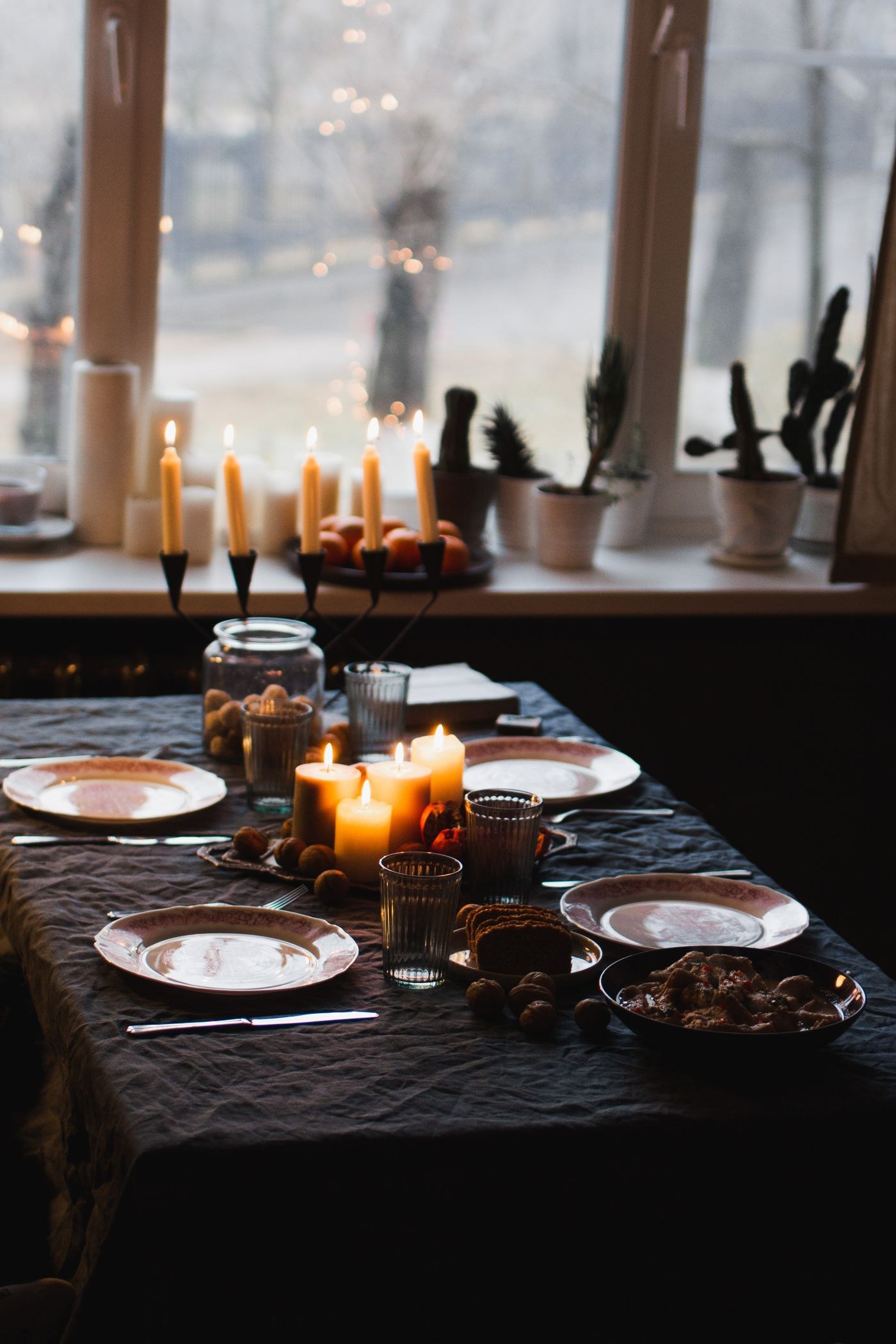
Retain the warmth of candles while giving the table enough visible detail and keeping flames from dominating the exposure.
Light & exposure
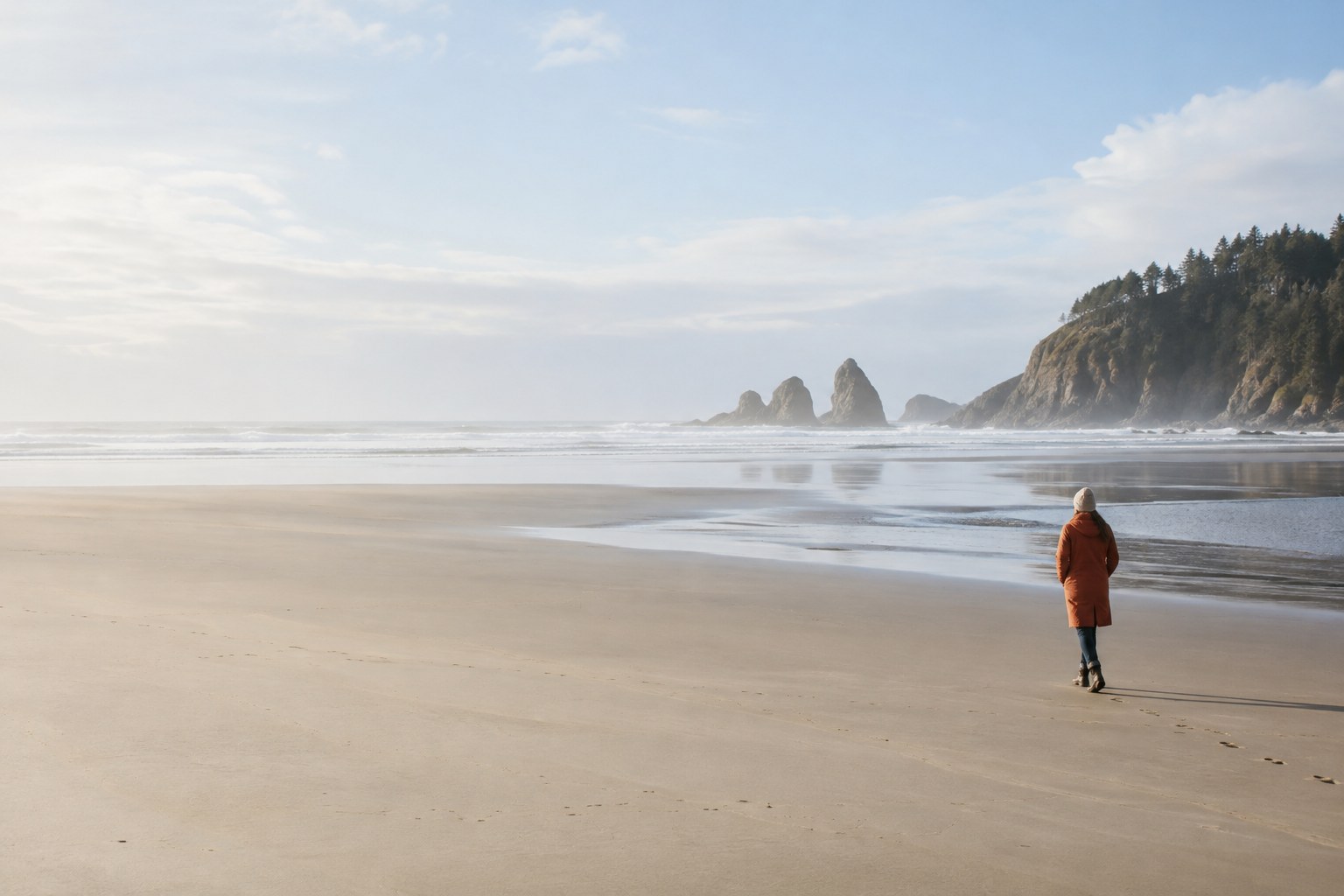
Choose the horizon position by deciding whether the land, sky or their balance carries the photograph.
Light & exposure
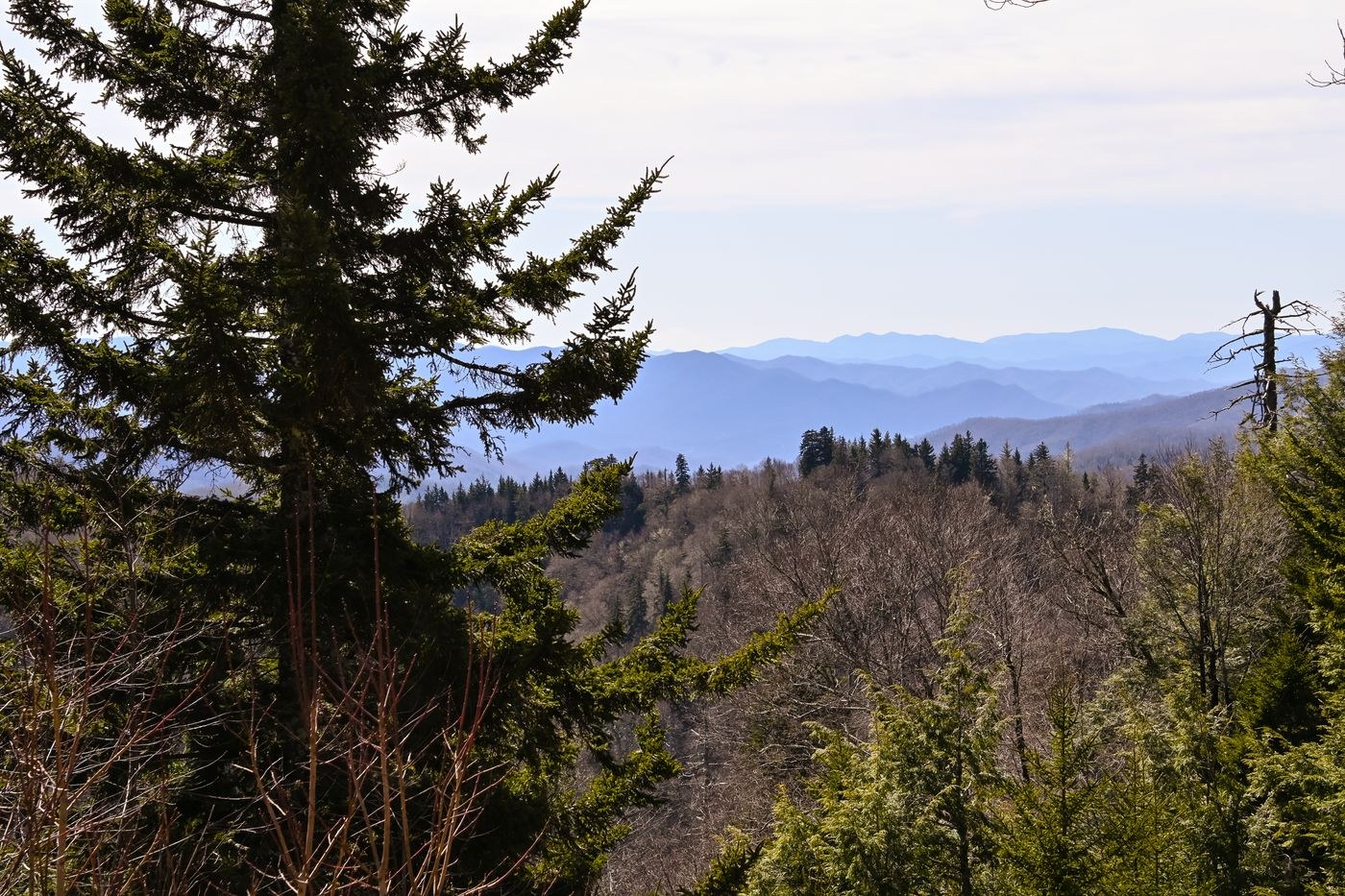
Use a near object to establish depth without letting it block the landscape you came to photograph.
Light & exposure
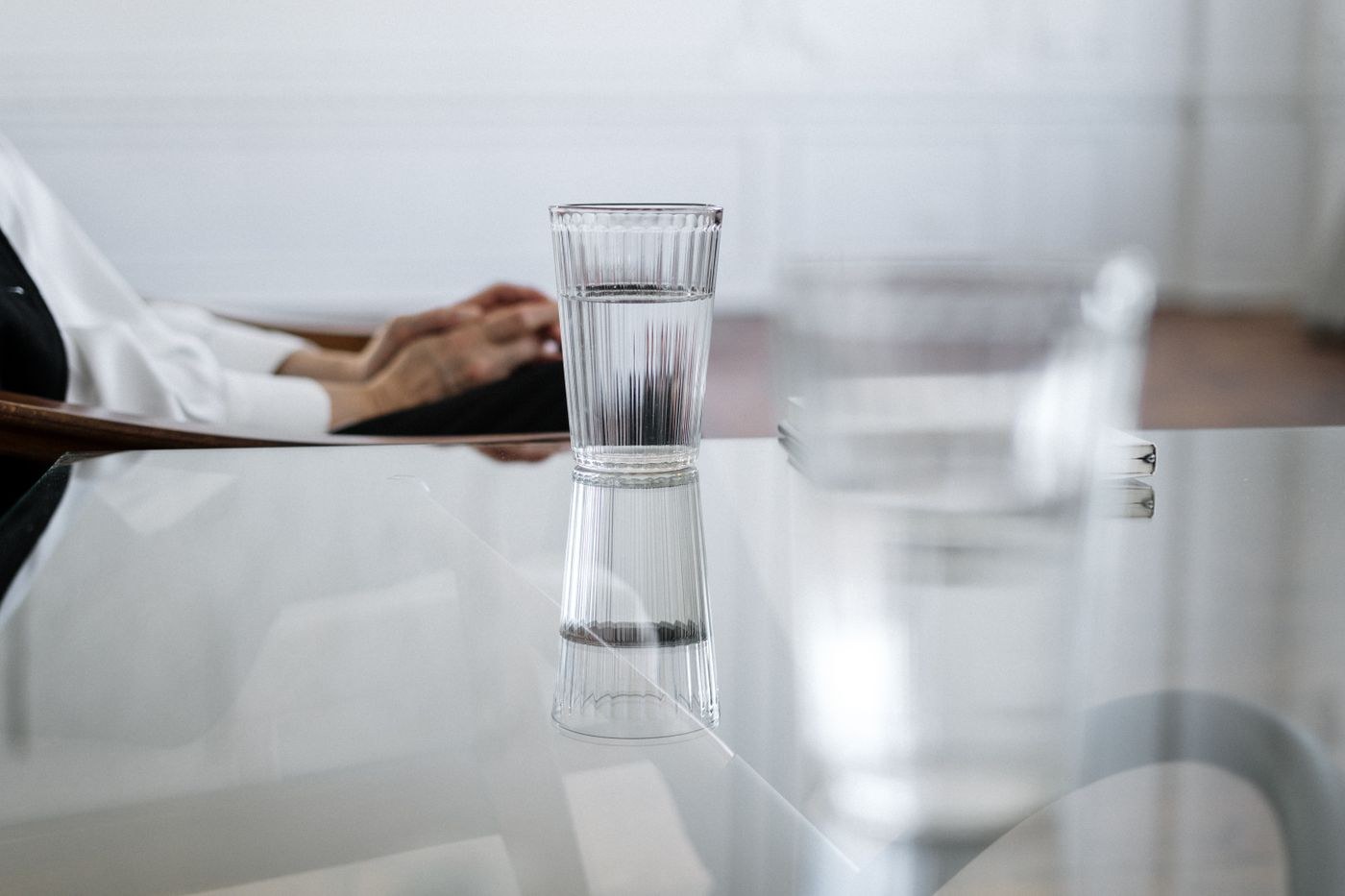
Shape what a glass object reflects instead of trying to remove every reflection from its surface.
Light & exposure
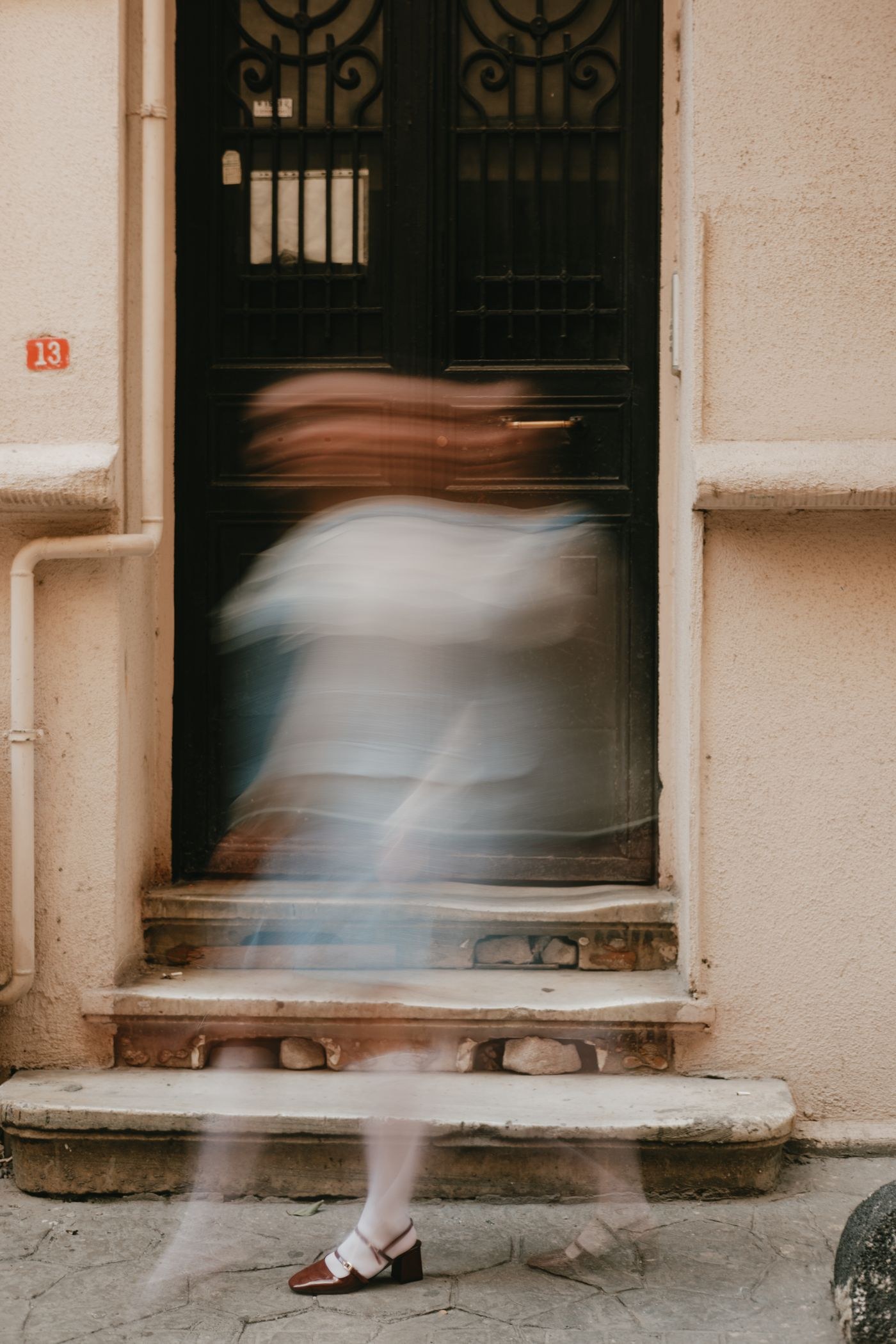
Plan focus, background and timing when a moving person travels sideways through your composition.
Light & exposure
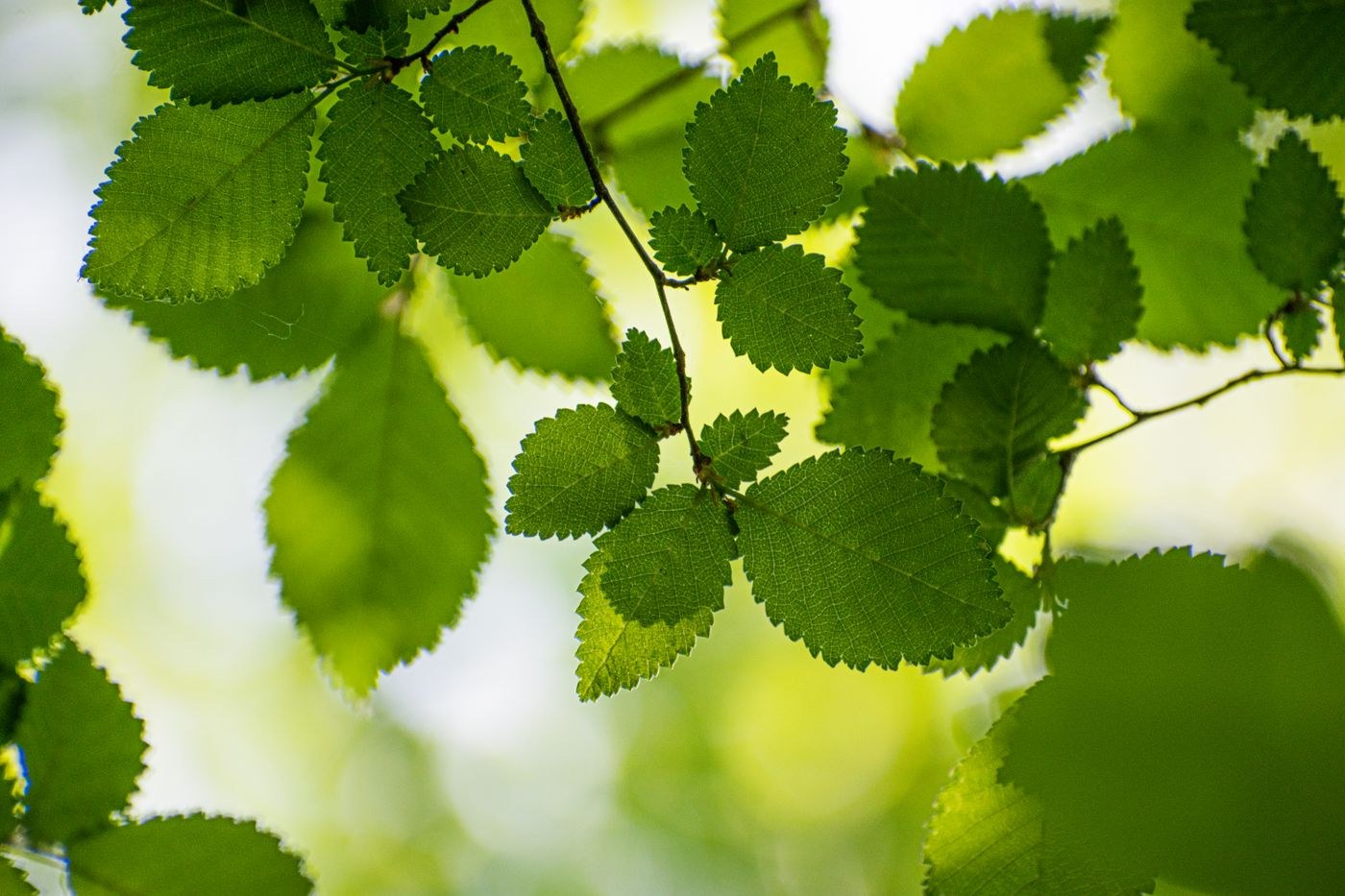
Reveal a leaf's veins with light behind it while controlling flare, background and small movements.
Light & exposure
Give a small subject room without filling the surrounding space with accidental distractions.
Light & exposure
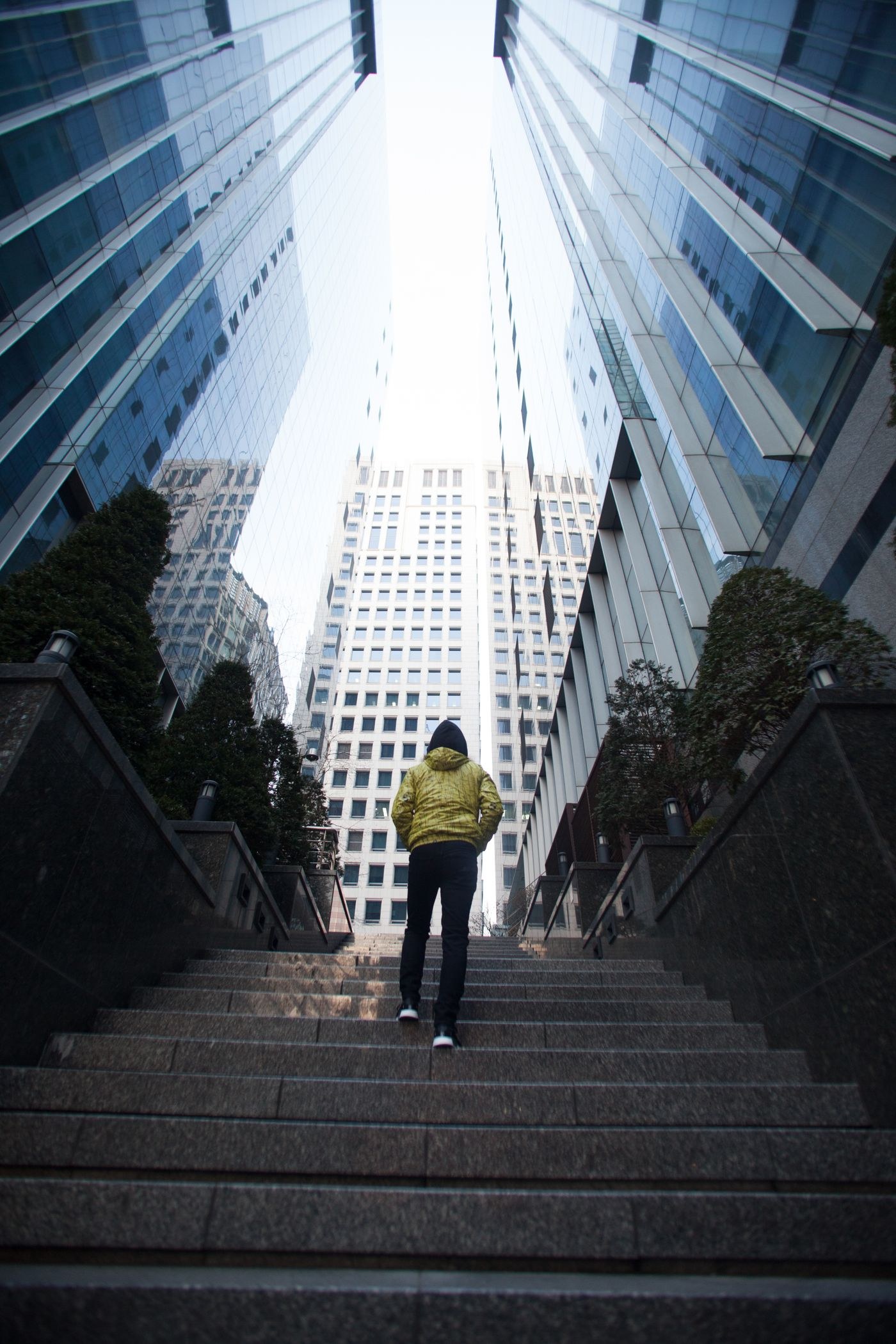
Lower the camera to change relationships in the scene while keeping the main subject distinct from the foreground.
Light & exposure
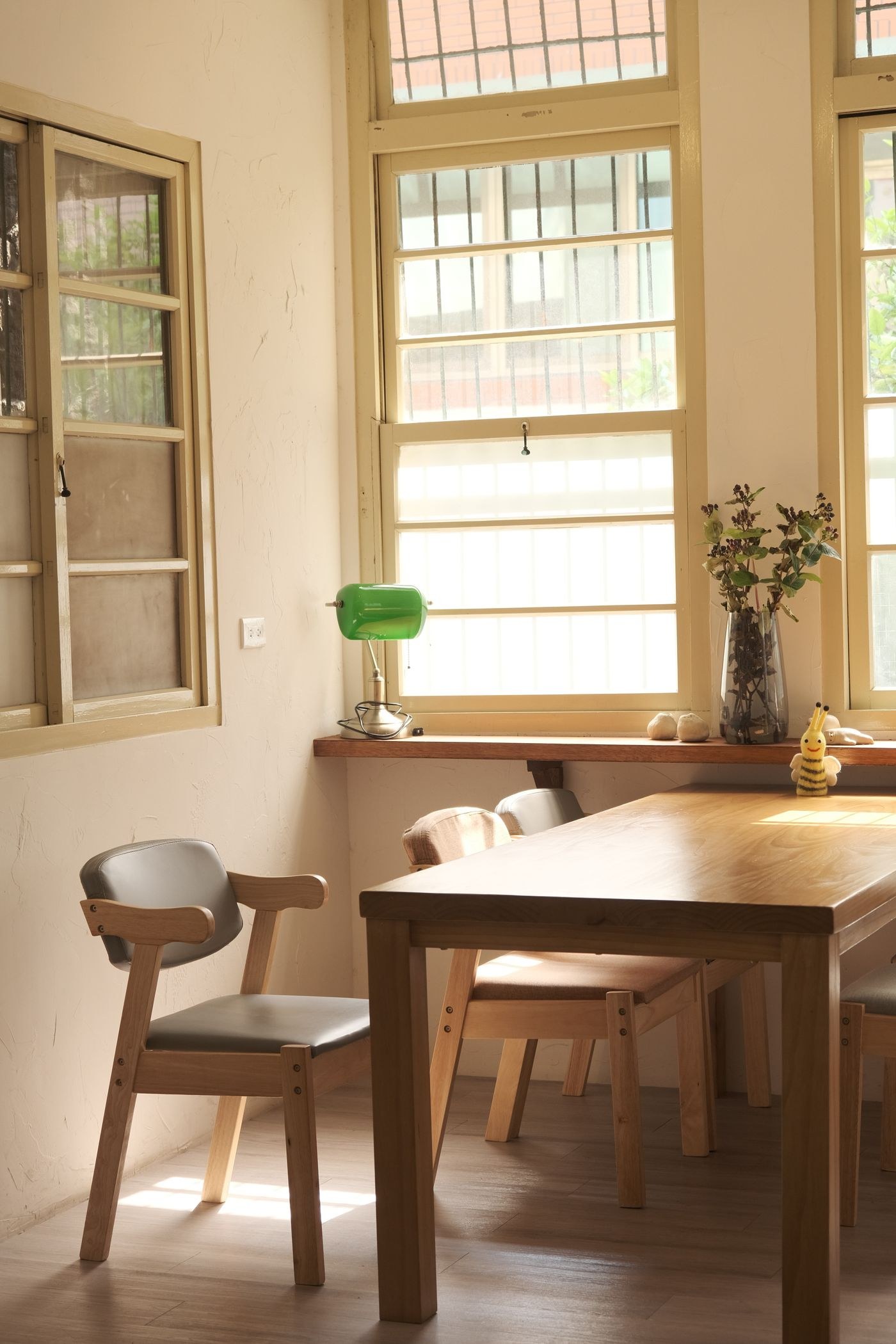
Plan a room photograph around the contrast between interior surfaces and the view through its windows.
Light & exposure
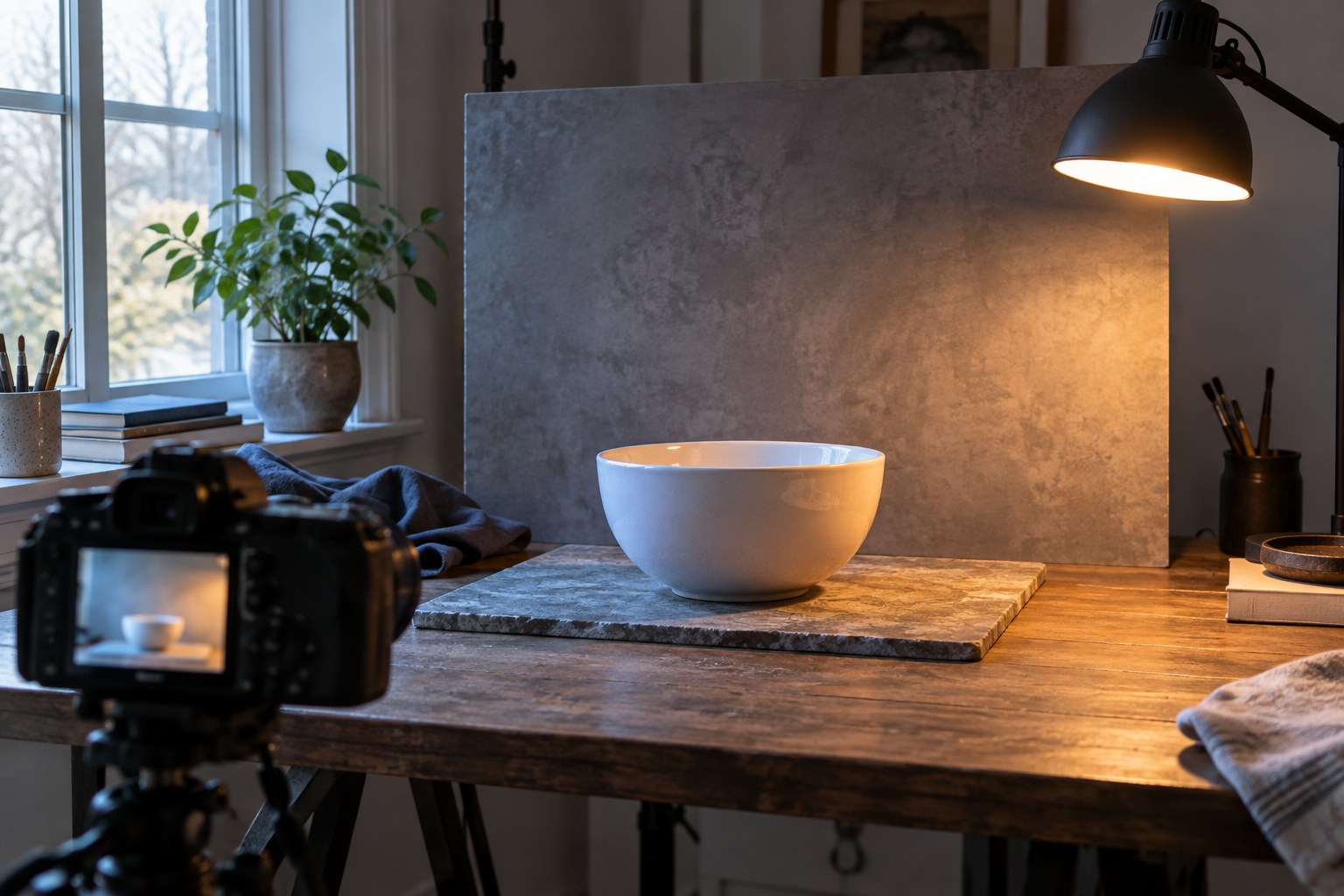
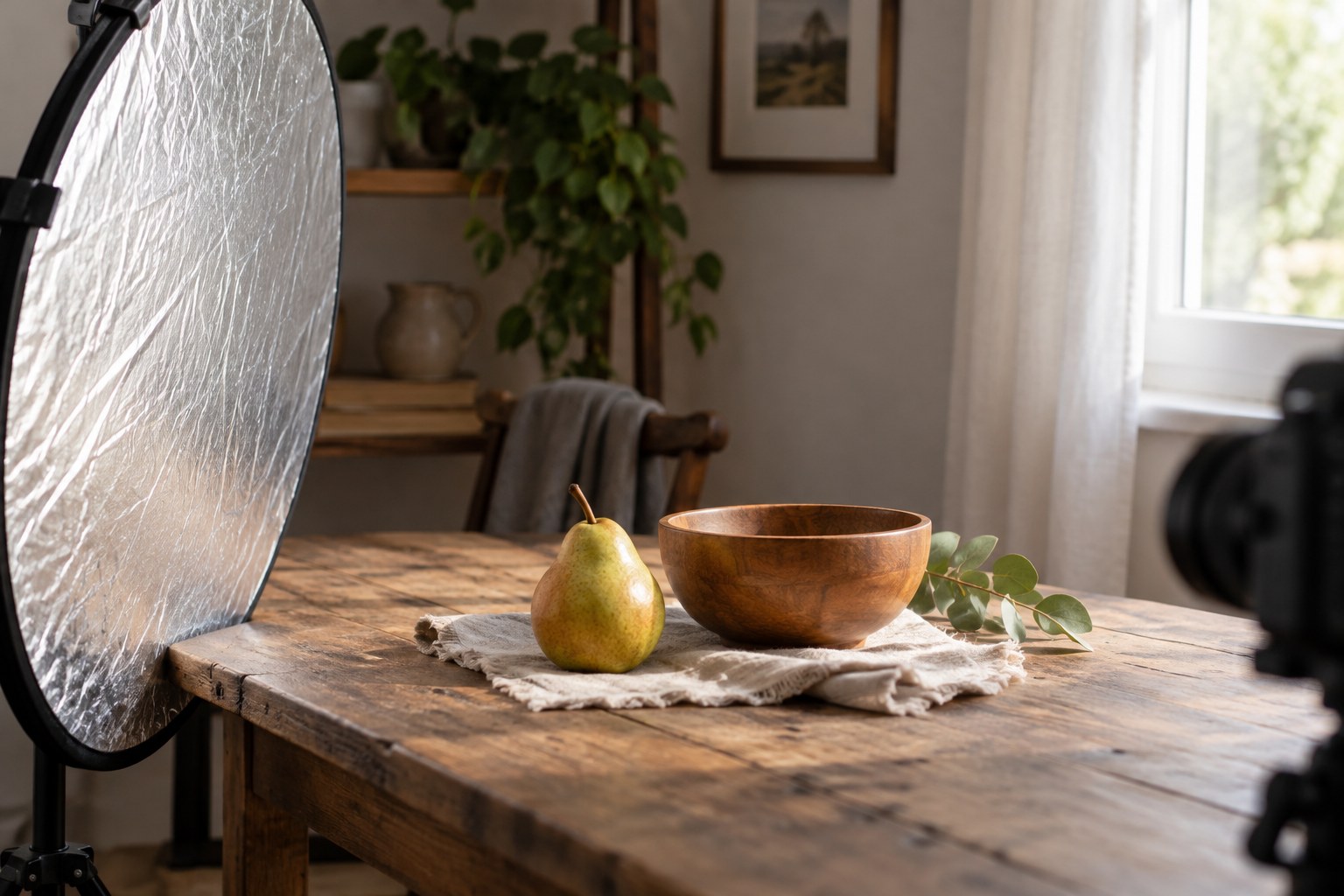
Place a reflector around a small object by watching the shadow and reflection it actually changes.
Light & exposure
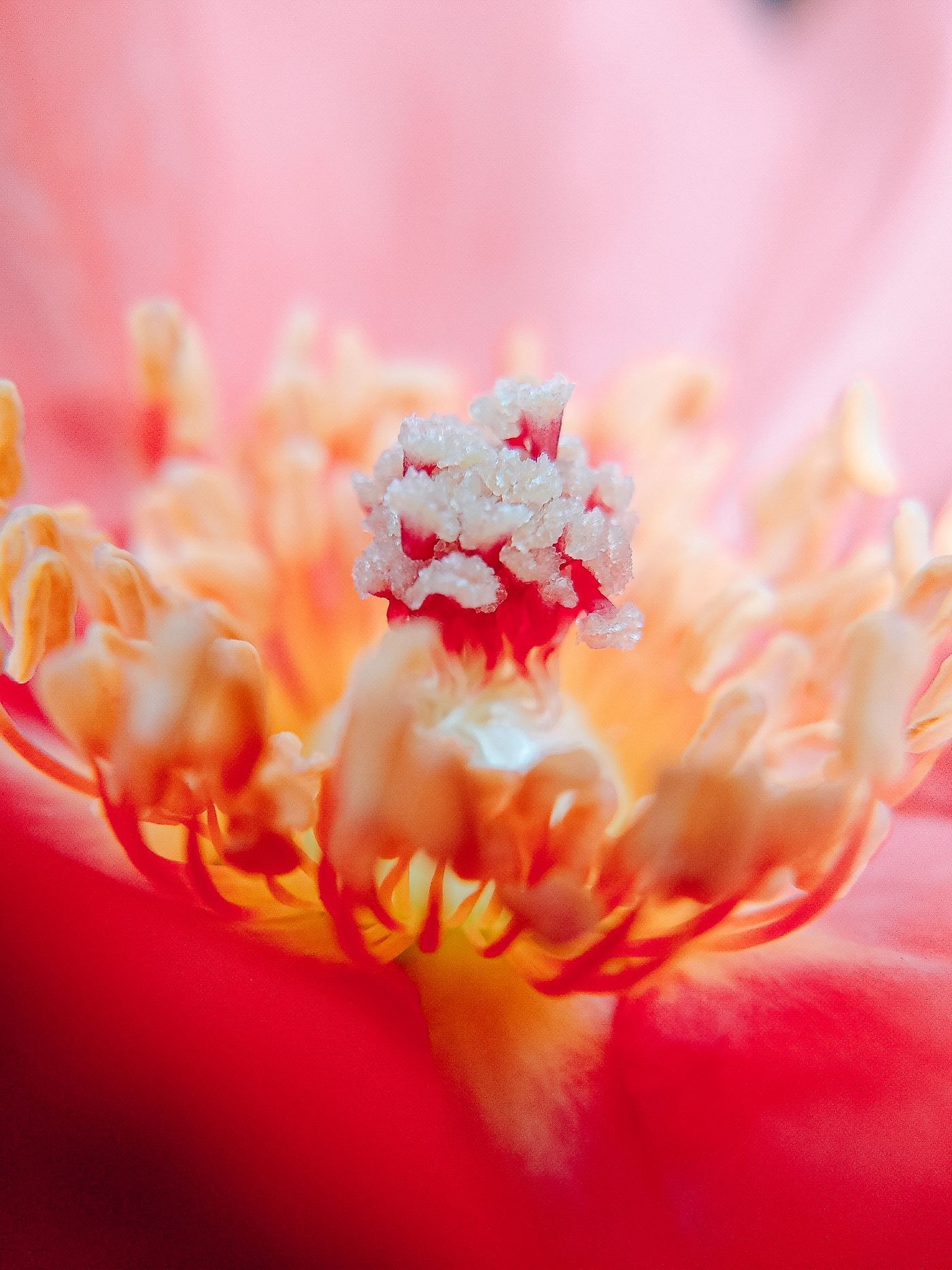
Choose the flower detail that needs to be sharp, then align the camera and manage movement around that choice.
Light & exposure
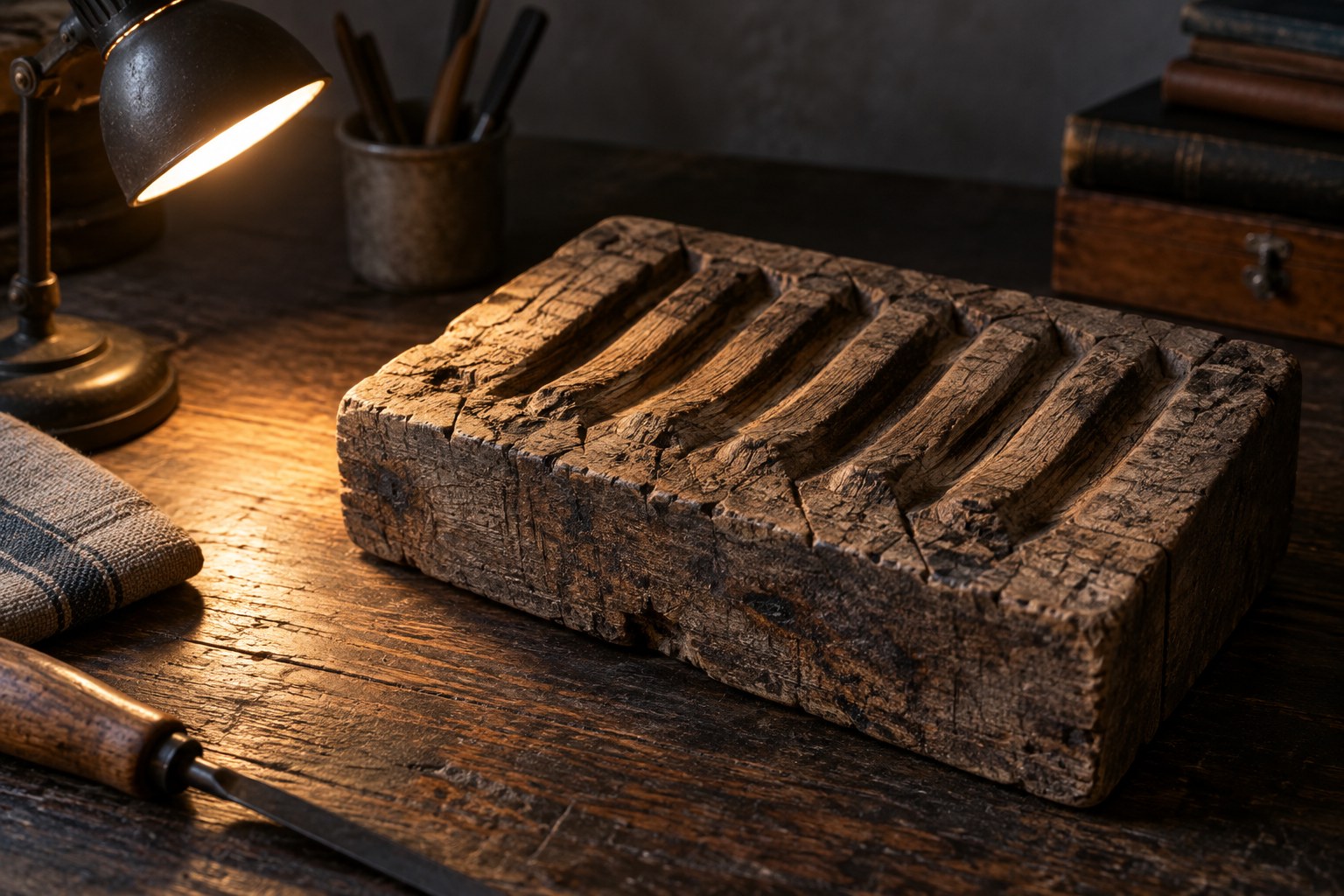
Move one light around wood, stone or fabric to reveal surface relief without making every shadow harsh.
Light & exposure
Give motion blur a clear role by choosing what moves, what stays recognisable and how the movement crosses the frame.
Light & exposure
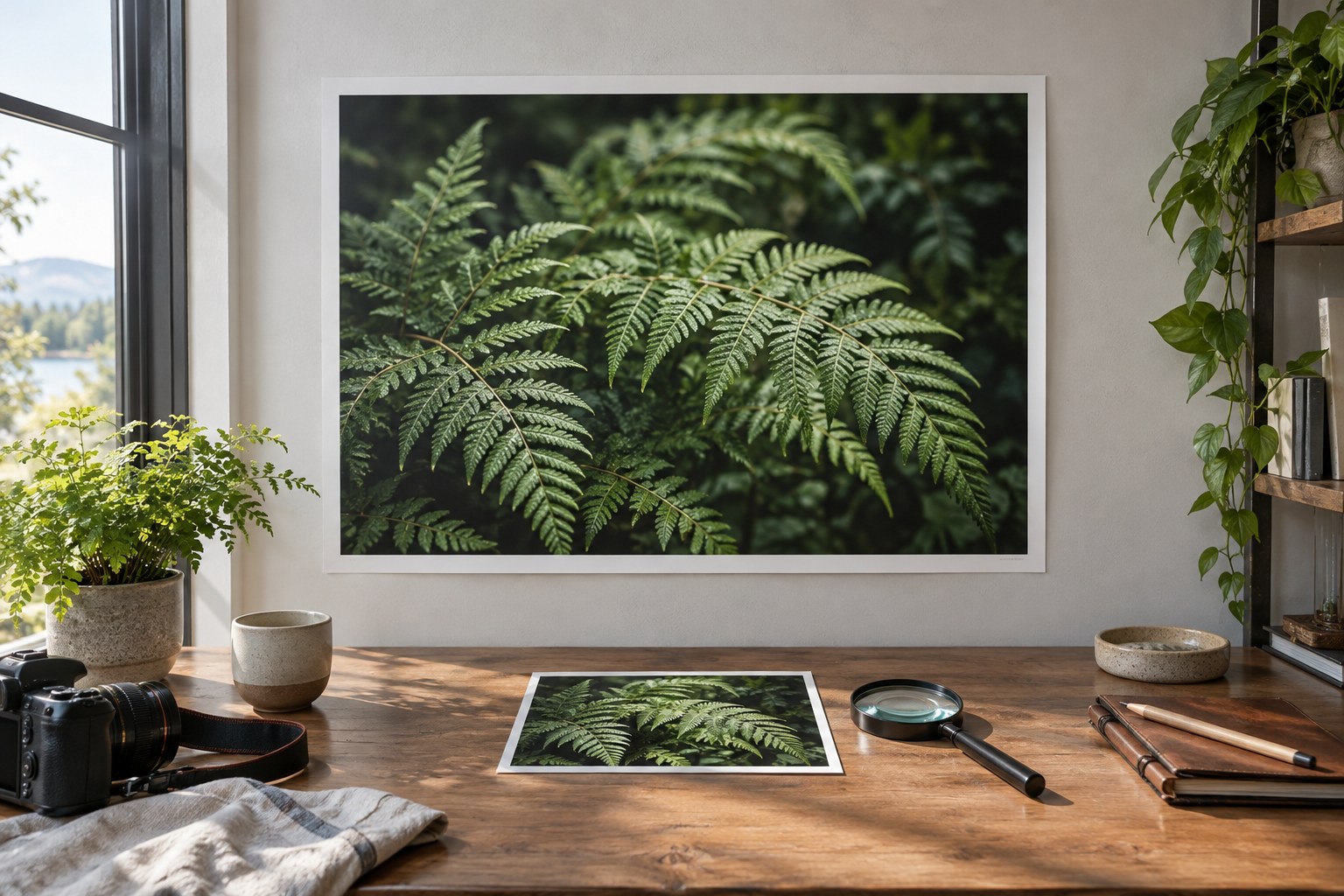
Judge useful detail in the size and medium where the photograph will actually be viewed, then investigate specific weaknesses.
No matching articles. Change the search or clear the selection.