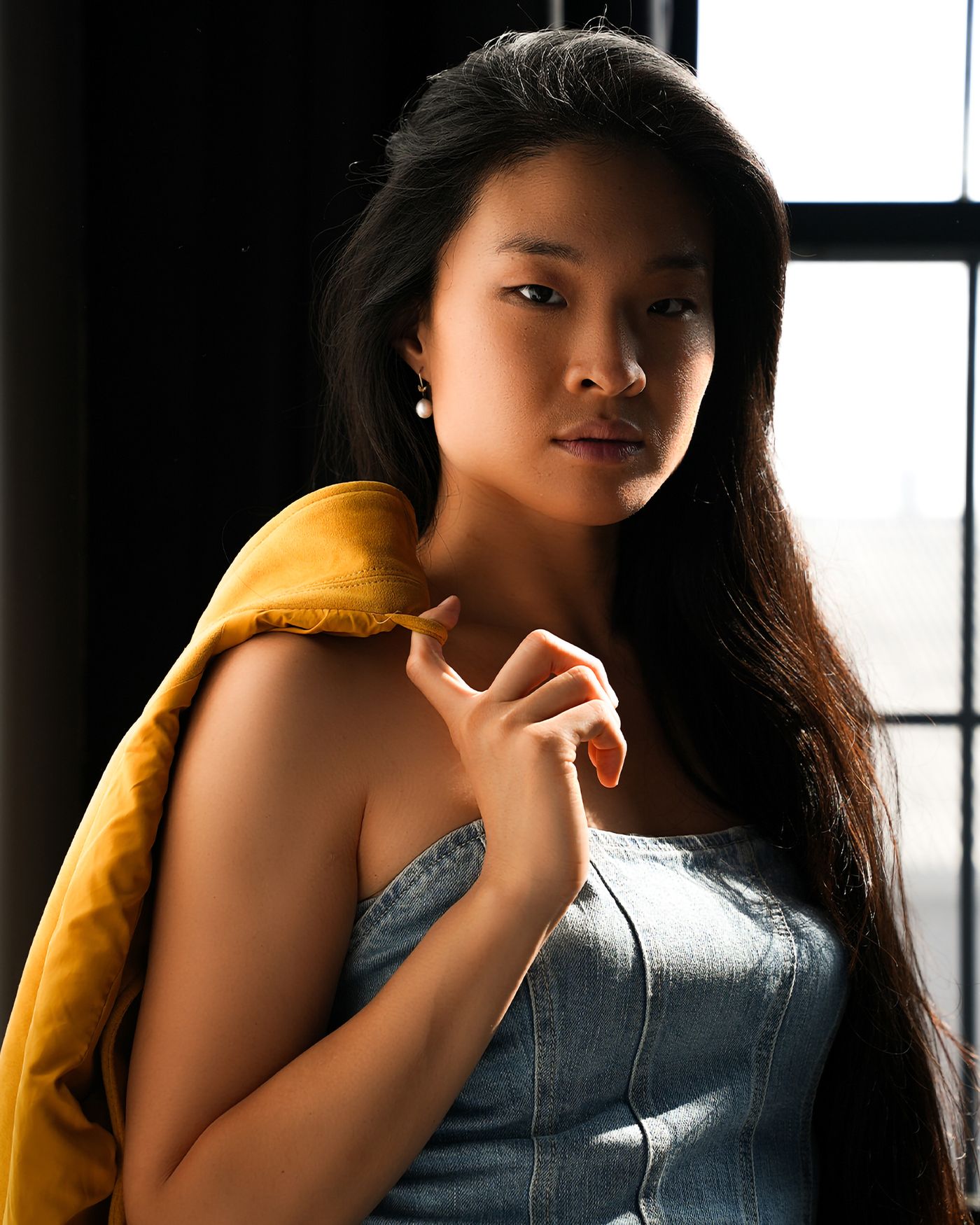
Imagine a person standing in steady light while you photograph them first against a dark doorway and then against a pale wall. The light on the person has not changed, but automatic metering may change the exposure because the background occupies much of the frame. Manual exposure can prevent that variation when the subject's illumination remains stable.
Choose the shutter speed needed for movement and an aperture that gives the required depth of field. Set ISO and make a test frame using the person as the exposure reference. Inspect skin highlights and important clothing detail, then adjust until the result matches your intention. Once these values are fixed, reframing changes the composition without automatically changing brightness.
Know what is actually fixed
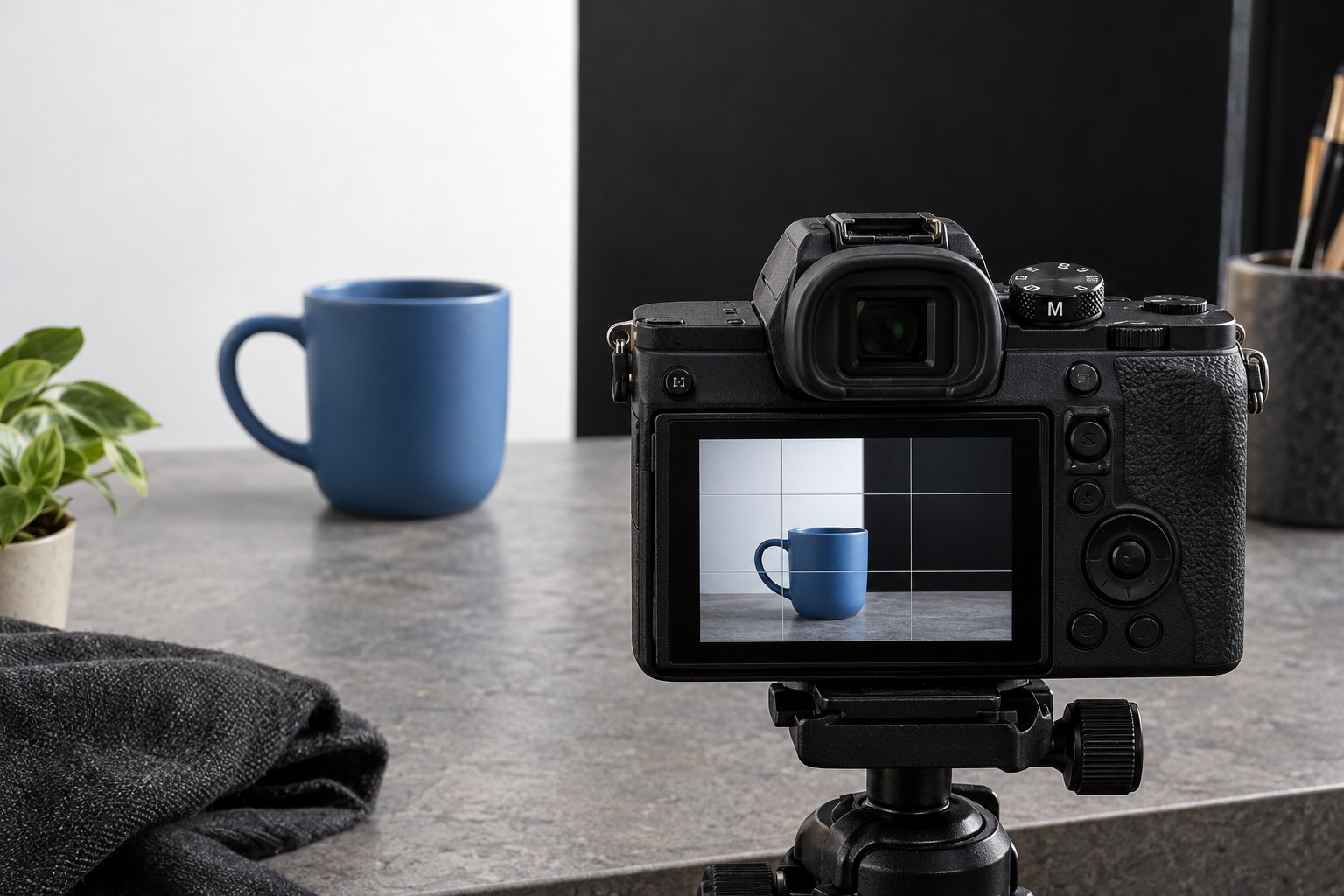
Manual mode with auto ISO is not fully fixed exposure. The camera may still alter ISO in response to the scene, subject to its settings and limits. That can be useful when light changes, but it may preserve the background-dependent variation you were trying to avoid. Check the displayed ISO and the camera's manual before assuming that the letter M means every exposure value is locked.
Photograph the subject against both backgrounds and compare their face at the same magnification. The backgrounds should retain their natural difference: one darker, one lighter. Do not try to make the overall histograms identical. Consistency belongs to the subject in this exercise, not to the average brightness of the entire picture.
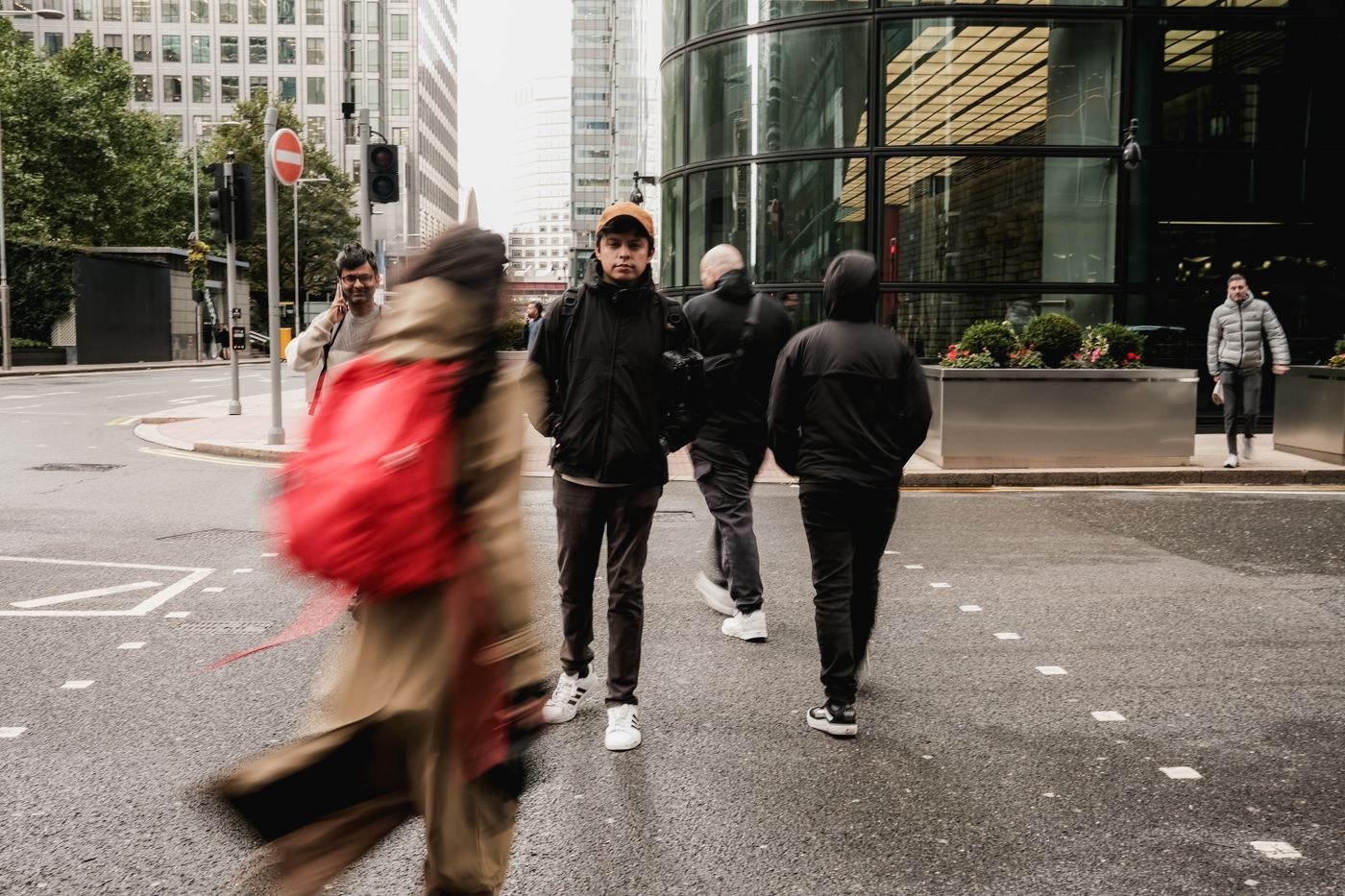
Watch for genuine changes in illumination. A person stepping from sun into shade needs a new exposure even if the background remains the same. A cloud can change the light on everyone at once. Manual settings do not adapt by themselves, so repeat the reference check when the light changes rather than continuing with a once-correct set of numbers.
For an event with rapidly changing positions, an automatic mode with exposure compensation or exposure lock may be more convenient. Use the method that keeps attention on the subject and gives predictable results. The value of manual exposure is controlled consistency in suitable conditions, not a claim that every photograph should be made that way.
As a short practice session, keep one person in a fixed patch of light and make three compositions with different background proportions. Compare automatic and fixed manual results. The differences reveal how strongly your camera's chosen metering mode responds to the scene, and when taking that response out of the process actually helps.