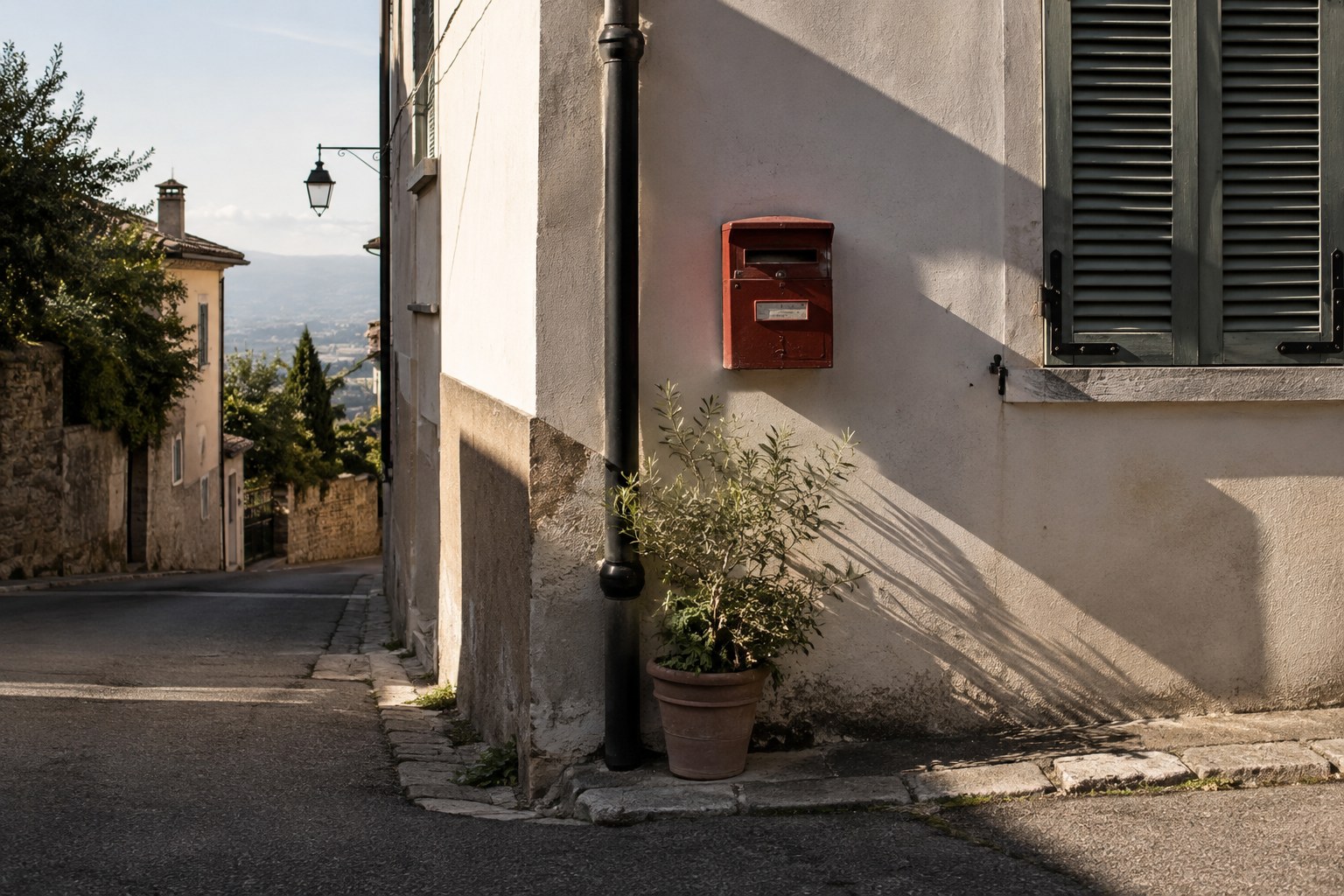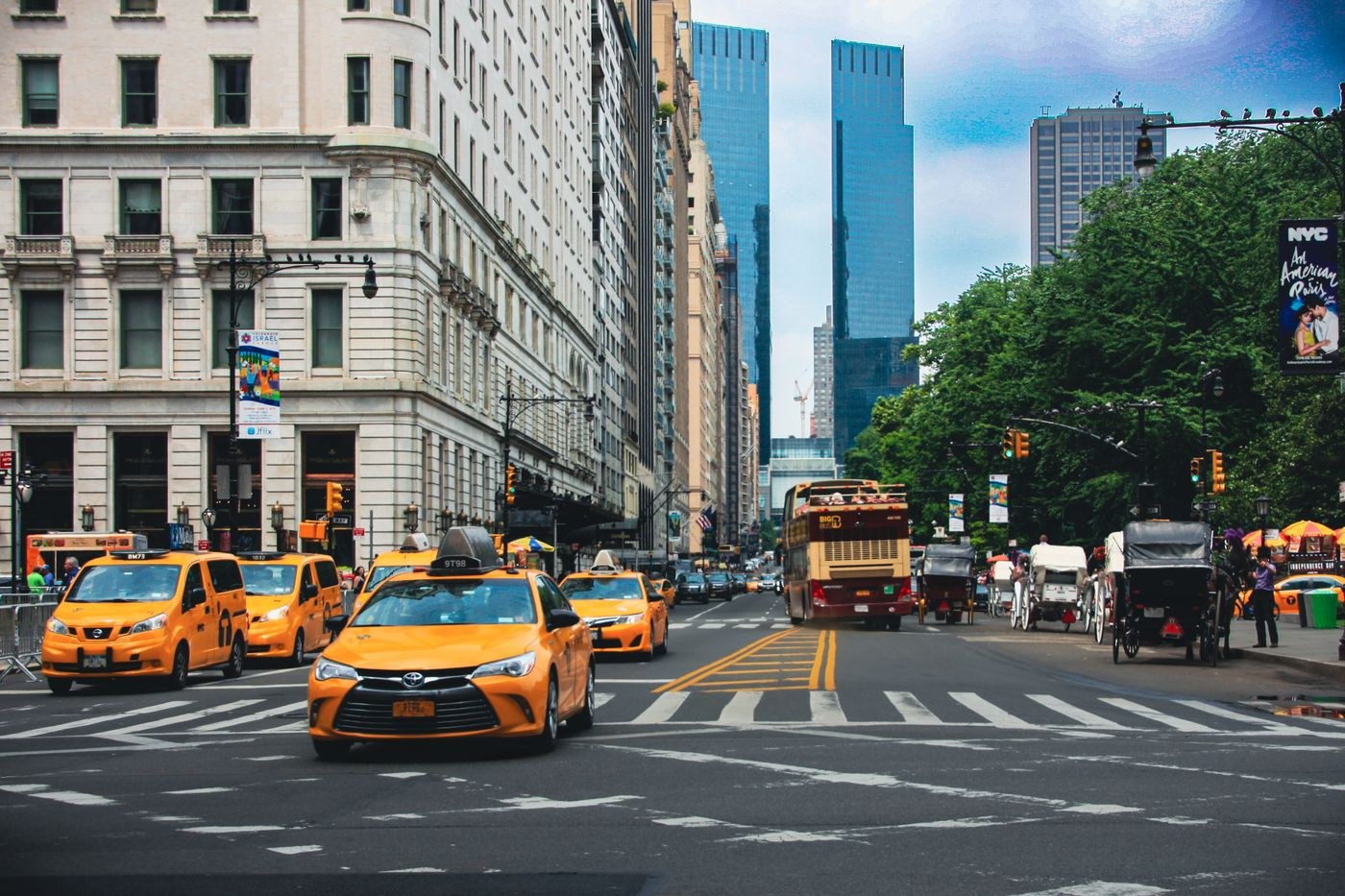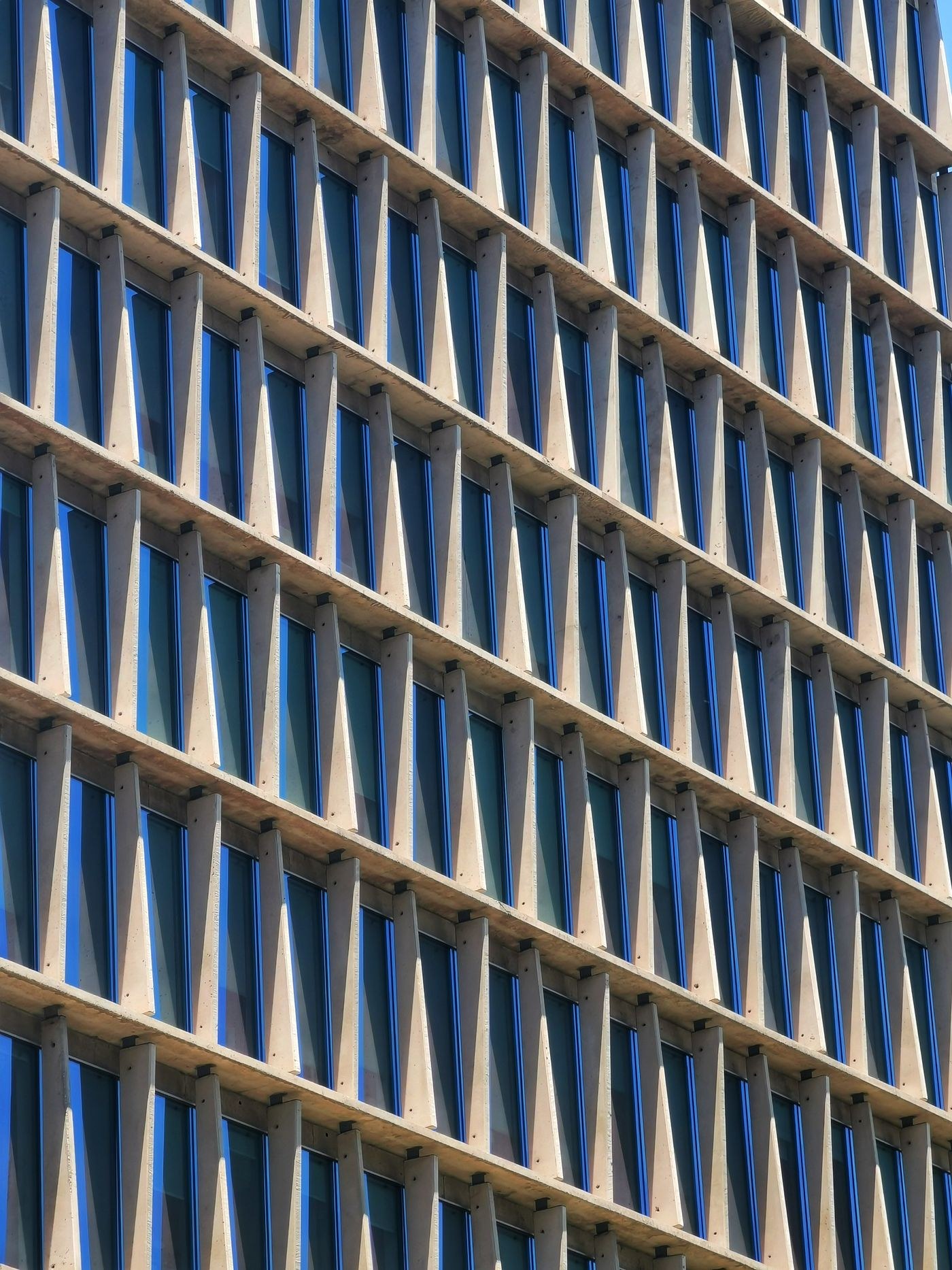
A building can look unstable for two different reasons. The camera may be rotated sideways, making horizontal references slope. Or it may be tilted upward, making vertical lines converge toward the top. These effects can occur together, but rotating the image fixes only the first. Look for a reliable vertical edge and a reliable horizontal reference rather than judging by a decorative roofline that may not be level.
For a more neutral view, keep the camera's sensor plane approximately vertical and the camera level from side to side. This often includes more foreground and less of a tall building than you want. Step back if there is a safe, permitted place to do so, use an appropriate wider view, or accept a composition that includes only part of the structure. Do not retreat into traffic while watching the screen.
Leave room for correction
If you need to tilt upward, allow extra space around the building. Perspective correction stretches and crops the image, so a tightly framed roof or corner may disappear during editing. Make one slightly wider frame as insurance. Check that the foreground does not hide the base if understanding the building's height matters.
Choose the viewing position before obsessing over parallel lines. From a corner, the two façades naturally have different apparent widths. Moving sideways changes that relationship and can reveal an entrance or separate neighbouring buildings. Correcting every line to mathematical alignment cannot repair a viewpoint that conceals the important part of the architecture.
When editing, first remove accidental sideways rotation, then adjust vertical perspective if the image benefits. Compare the result with the original. Strong correction can make the top of a building look stretched or unusually broad. A small amount of convergence may preserve the sense of looking upward more convincingly than an extreme correction.
Finally, inspect the crop and edge content. A cut-off pavement line or a squeezed tree can make the corrected image feel awkward even when the façade is straight. Keep an uncorrected master and save the chosen version separately within your editing workflow. The aim is a deliberate impression of the building, which may be neutral or dramatic, rather than an automatic rule that every architectural photograph must contain parallel verticals.