A portfolio is not a complete record of everything you have photographed. It is a selection made for a particular viewer and purpose. A group intended to introduce your architectural work will differ from a small personal collection about one neighbourhood. Before opening the archive, write one sentence describing what the selection should allow someone to understand.
Choose a manageable first pool. Include photographs that fit the purpose, not merely the ones with the highest existing ratings. A five-star image from an unrelated project can still weaken this particular portfolio. Keep the initial pool separate from the final selection so that removing a picture feels like an editorial choice rather than deleting part of your history.
Separate attachment from contribution
For each image, describe what it adds. It may show a distinctive use of light, establish a location, introduce a person or change the pace. If two photographs add essentially the same thing, compare them directly. The one that was harder to make is not automatically the one that communicates more clearly.
Look for near-duplicates that differ only in small gestures or framing. These can be useful during editing but tiring in a short presentation. Choose the version whose important relationships are easiest to read. If the difference is meaningful only after a long explanation, the viewer may not need both images.
Also look for gaps that should remain gaps. A portfolio does not have to prove competence in every photographic subject. Adding an average night photograph solely because the set contains no night photograph can dilute a more coherent selection. Breadth is useful when it supports the stated purpose; otherwise it can become a list of categories with little connection.
Build a sequence with an opening and an ending
Place the images in an order that makes their relationships visible. The first photograph should establish a clear invitation into the work. The last should leave a deliberate impression rather than being whatever remains after the middle has been arranged. Test several openings and endings before refining the smaller transitions.
Watch changes in distance, brightness and visual density. A quiet image can create space after a complex one. Similar shapes can link different subjects. Avoid a run of photographs that all have the same weight unless that repetition is the point of the work. The sequence should feel intentional without requiring an elaborate explanation of its design.
View the set as thumbnails, then one image at a time. The thumbnail view reveals the overall pattern; the individual view exposes photographs that cannot sustain attention. A strong-looking grid may hide a weak image because surrounding pictures support it. Conversely, an unusual but important photograph may need more space than the grid allows.
Test the presentation you will actually use
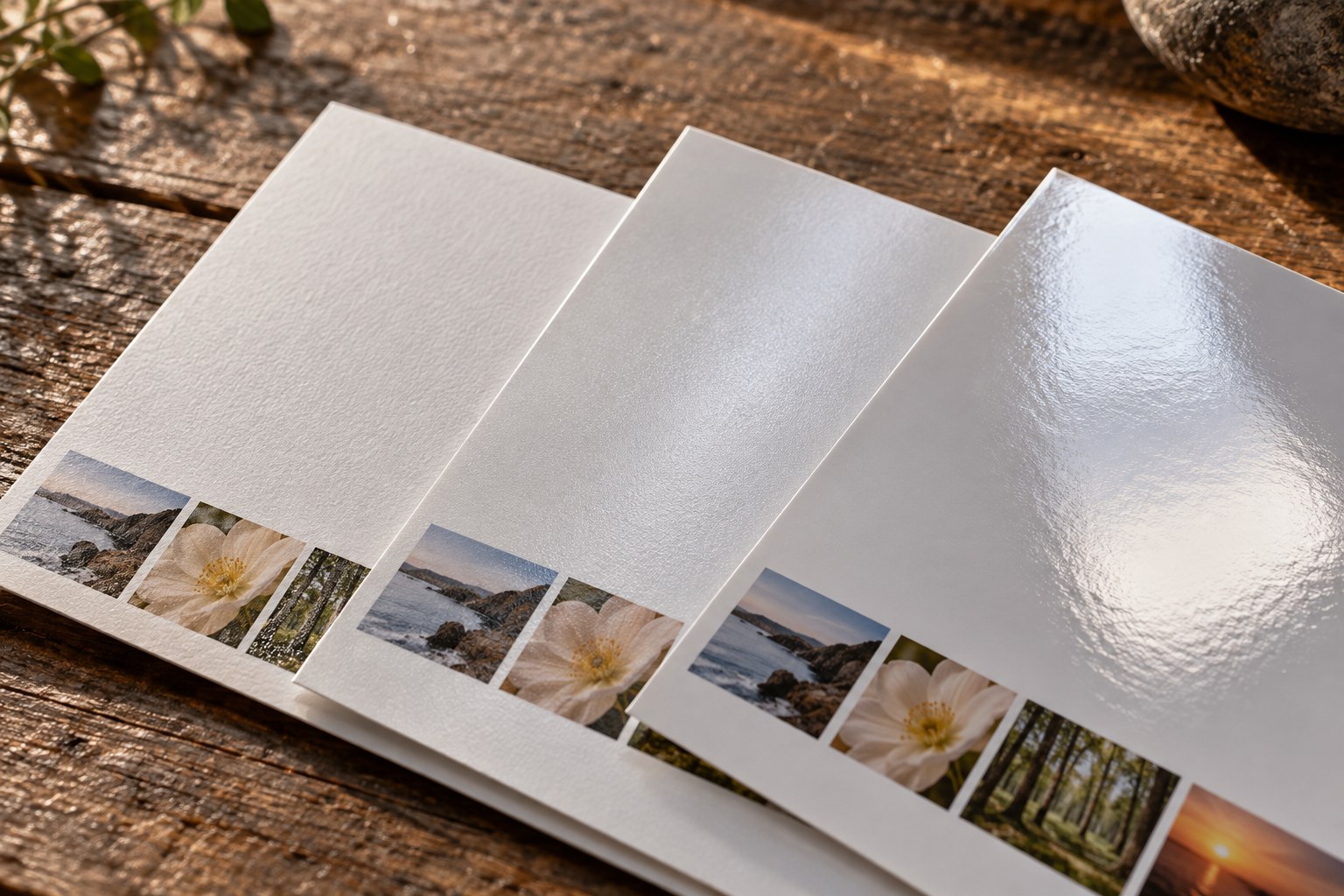
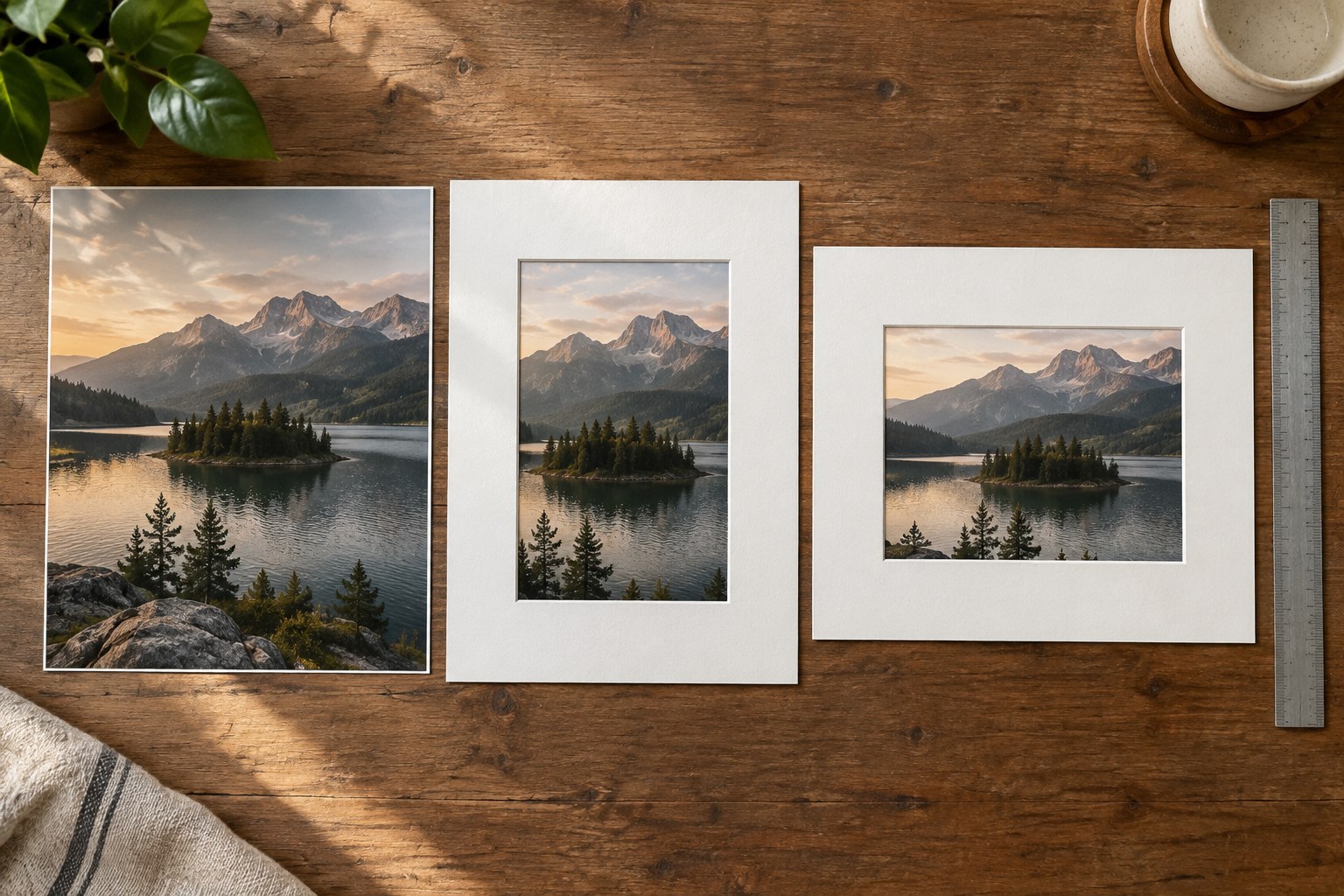
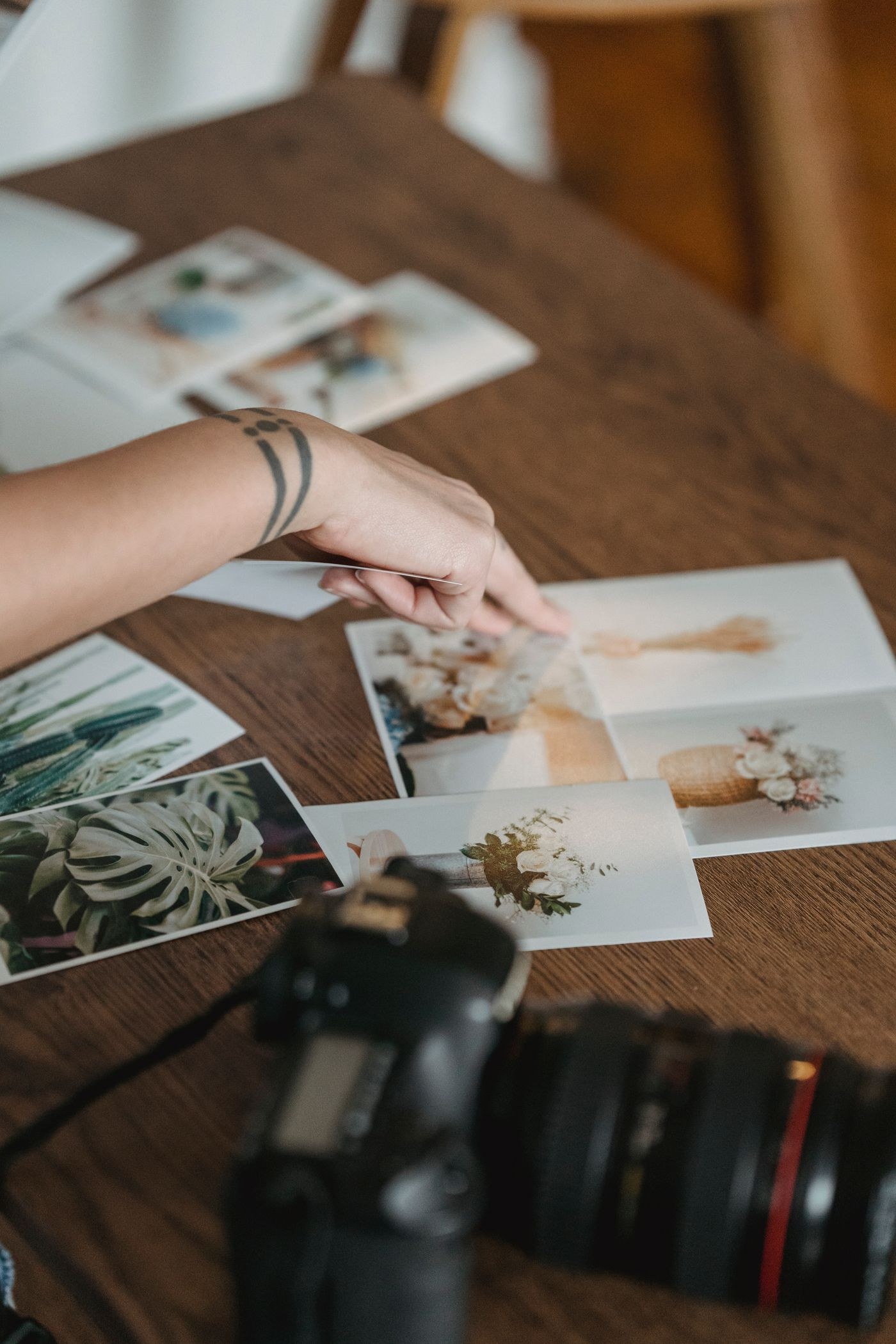
For a digital portfolio, check the order, image size and caption behaviour on a small screen as well as a desktop. For prints, lay out the physical sequence and handle it as the viewer will. Do not judge a printed portfolio entirely from a slideshow, where every image is automatically the same apparent size and surrounded by the same background.
Keep captions factual and proportionate. A title, location or short project note may be enough. Do not add a fictional client, award or professional identity to make a personal selection appear commissioned. The photographs should be represented according to what they are.
Ask a reader to describe what the set communicates before explaining your intention. Their answer can reveal whether the sequence is clear or whether one image sends it in another direction. You do not need to accept every preference, but repeated confusion is useful evidence.
Save the final list and its purpose with a date. Keep a separate reserve rather than constantly replacing images on impulse. Review the portfolio when the work or audience changes. A compact selection remains useful because each photograph has a reason to be there, not because it has reached a permanently correct number.
Try removing one more picture
After the sequence appears settled, make a temporary copy with one doubtful image removed. View the shorter version from beginning to end without referring to the original list. Does a necessary connection disappear, or does the sequence simply become clearer? This comparison separates an image that is doing quiet structural work from one retained mainly through familiarity.
Try the reverse with a reserve image only when you can name the gap it fills. Adding it may require removing another photograph or changing the order; a portfolio is not improved merely by growing. If two different audiences need substantially different evidence, make two labelled selections from the same archive rather than forcing one compromise set to answer both. Keep their purpose statements beside their file lists. The resulting portfolios can share images while remaining understandable, and future revisions can be judged against each selection's actual task.