Paper & presentation
Choose a paper surface for a photographic print
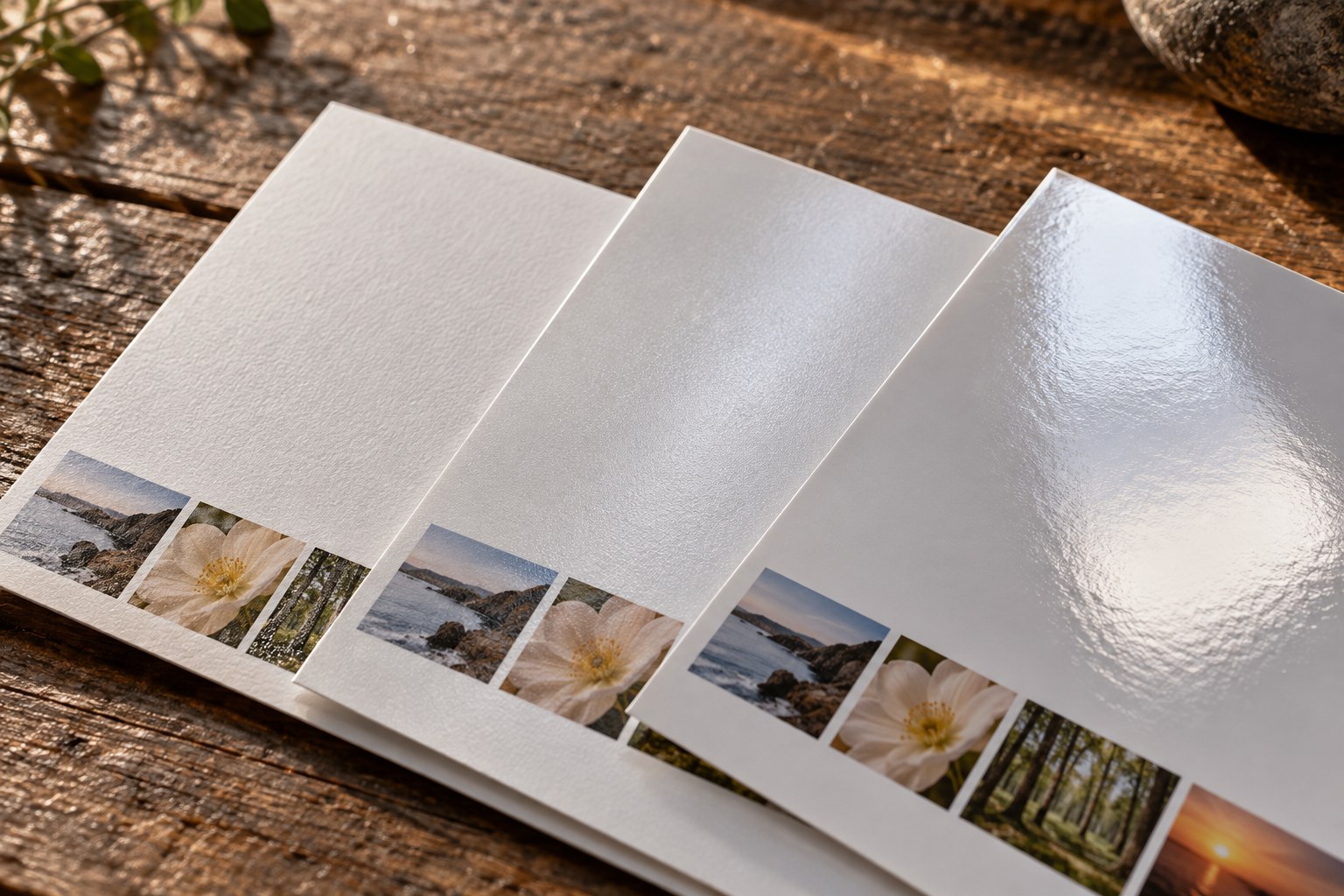
Compare paper surfaces using the same photograph and the light in which the finished print will actually be viewed.
Journal / 012
Search the journal and explore individual questions about photography.
12 articles
Paper & presentation
Compare paper surfaces using the same photograph and the light in which the finished print will actually be viewed.
Paper & presentation
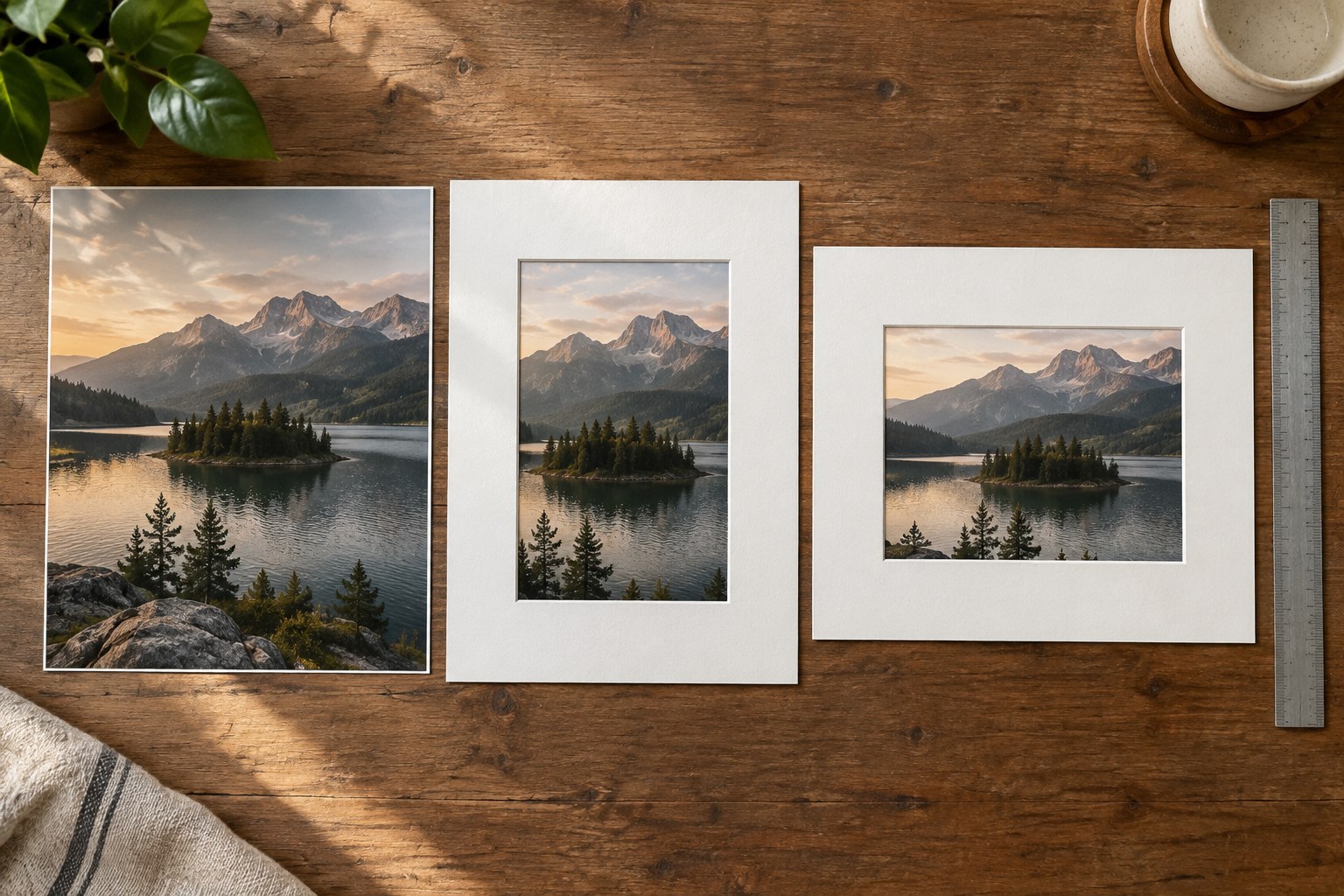
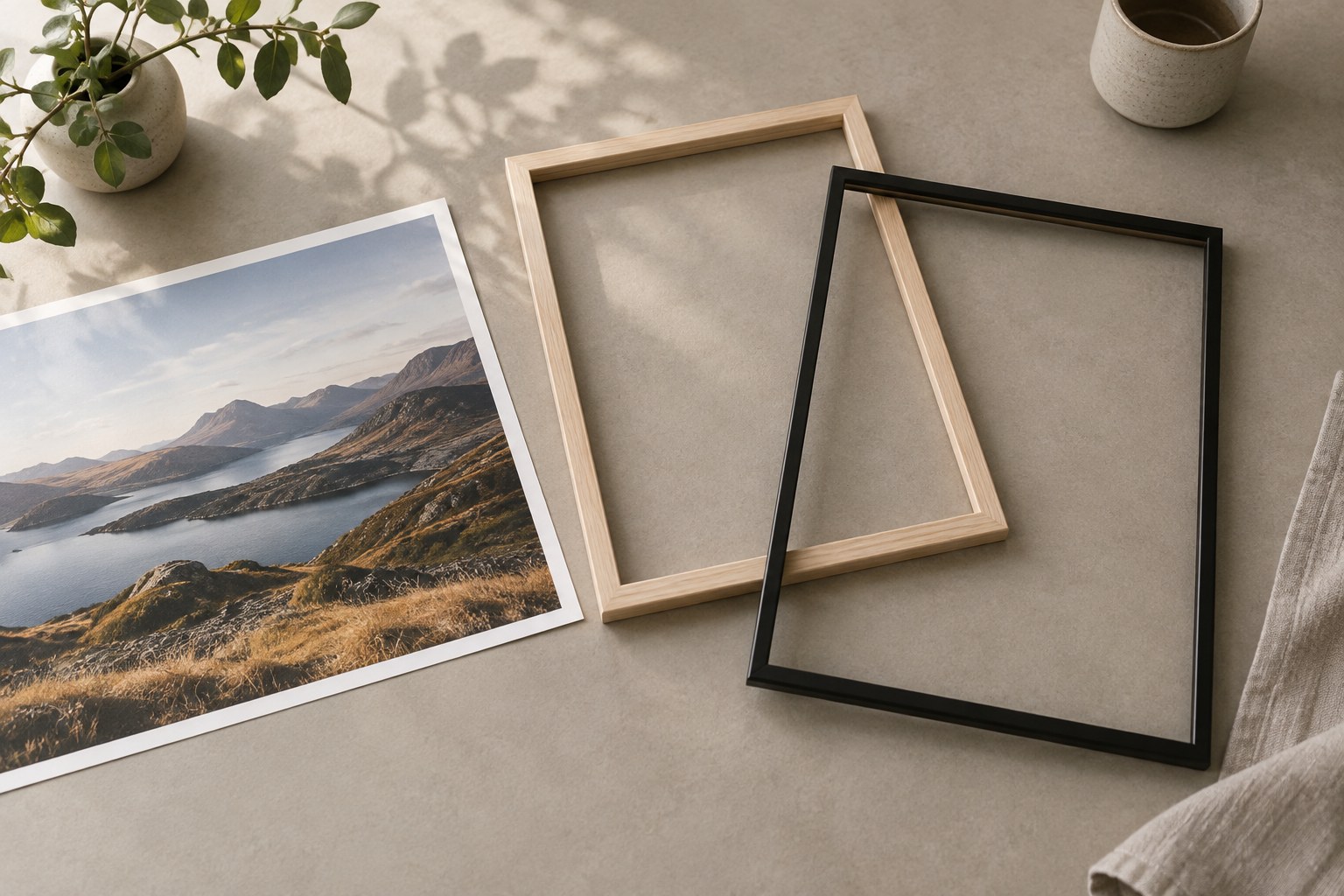
Separate image proportions, paper dimensions and the visible opening of a frame before ordering a print.
Paper & presentation
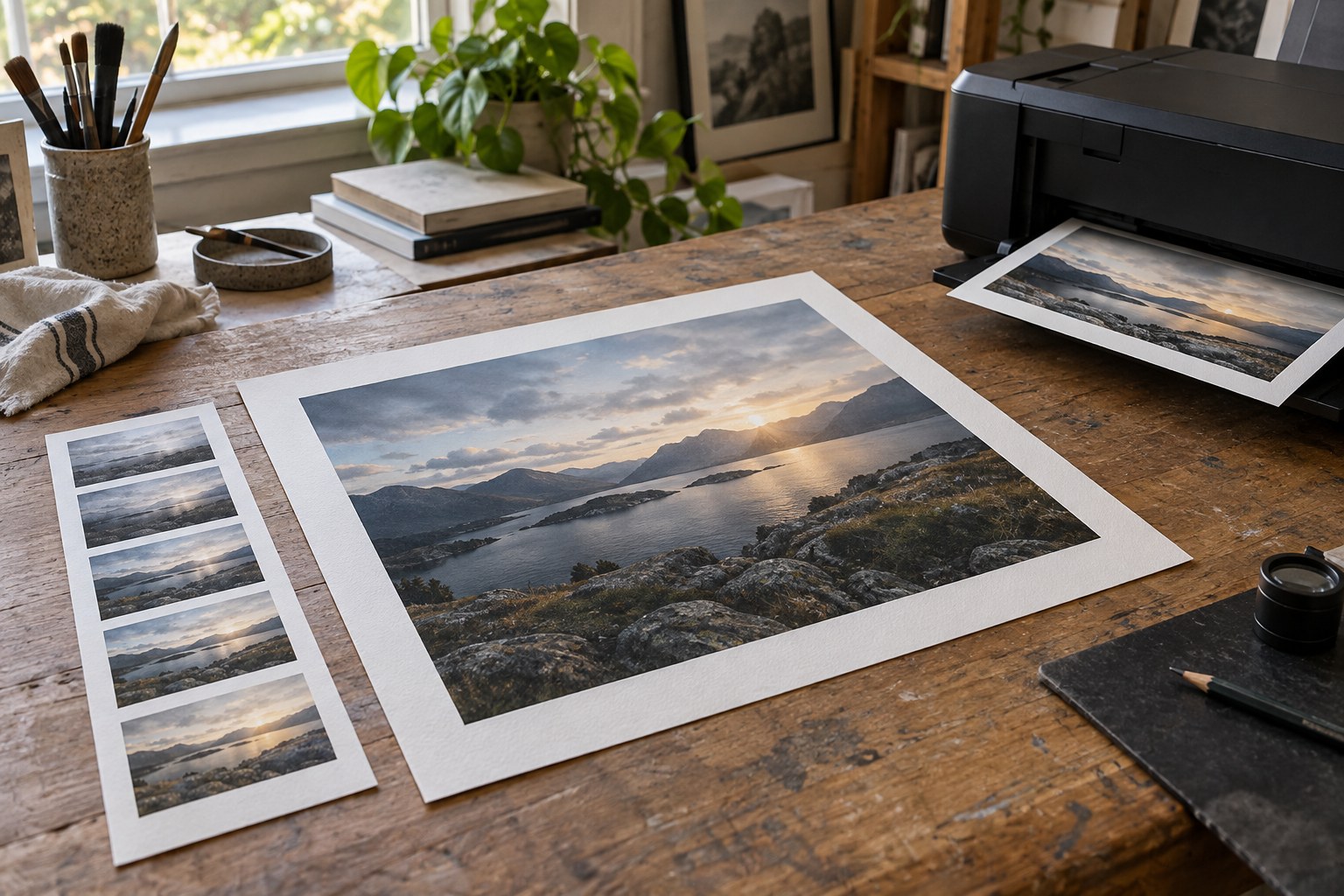
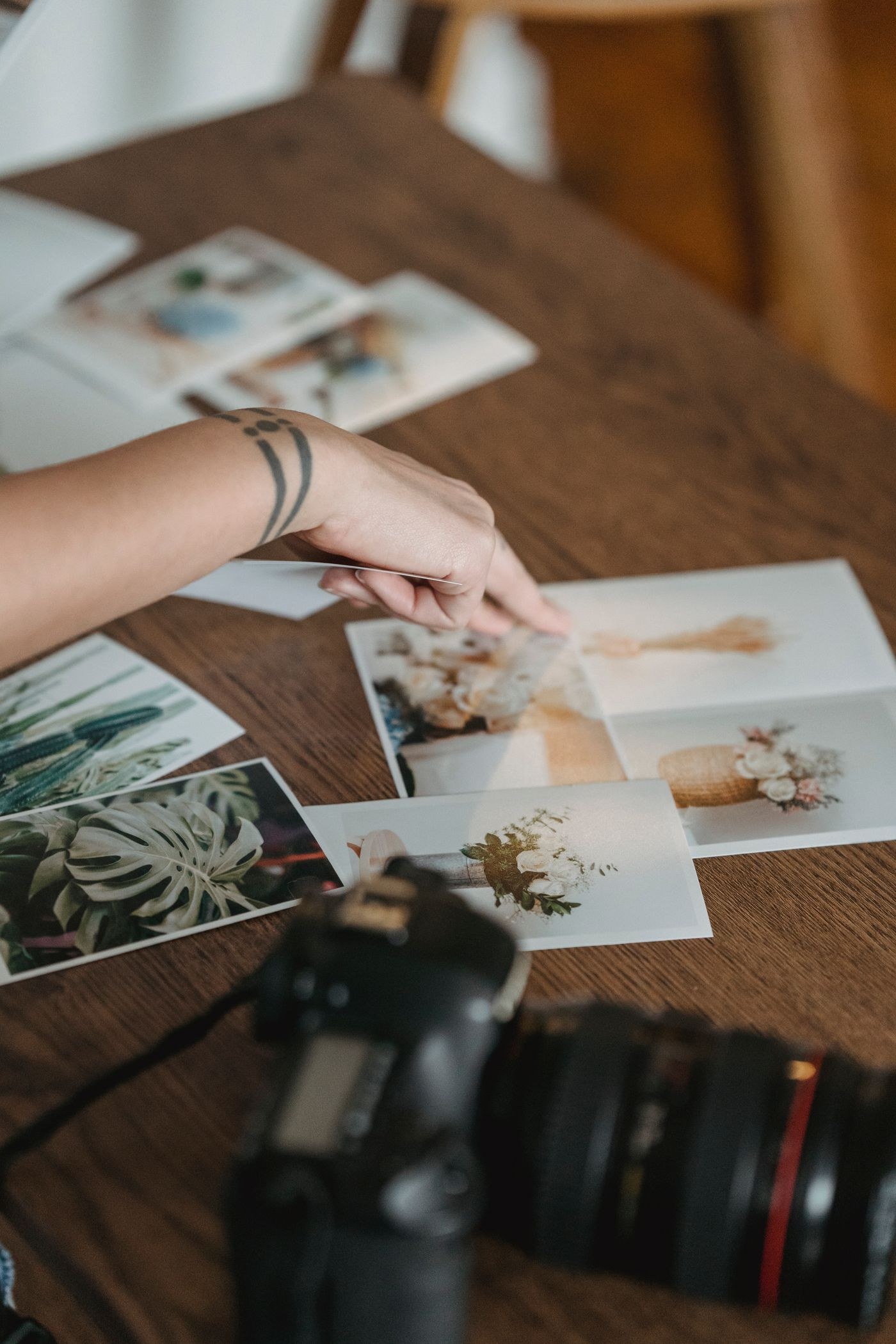
Use a test print to answer a specific question about tone, detail or size before committing to a larger output.
Paper & presentation
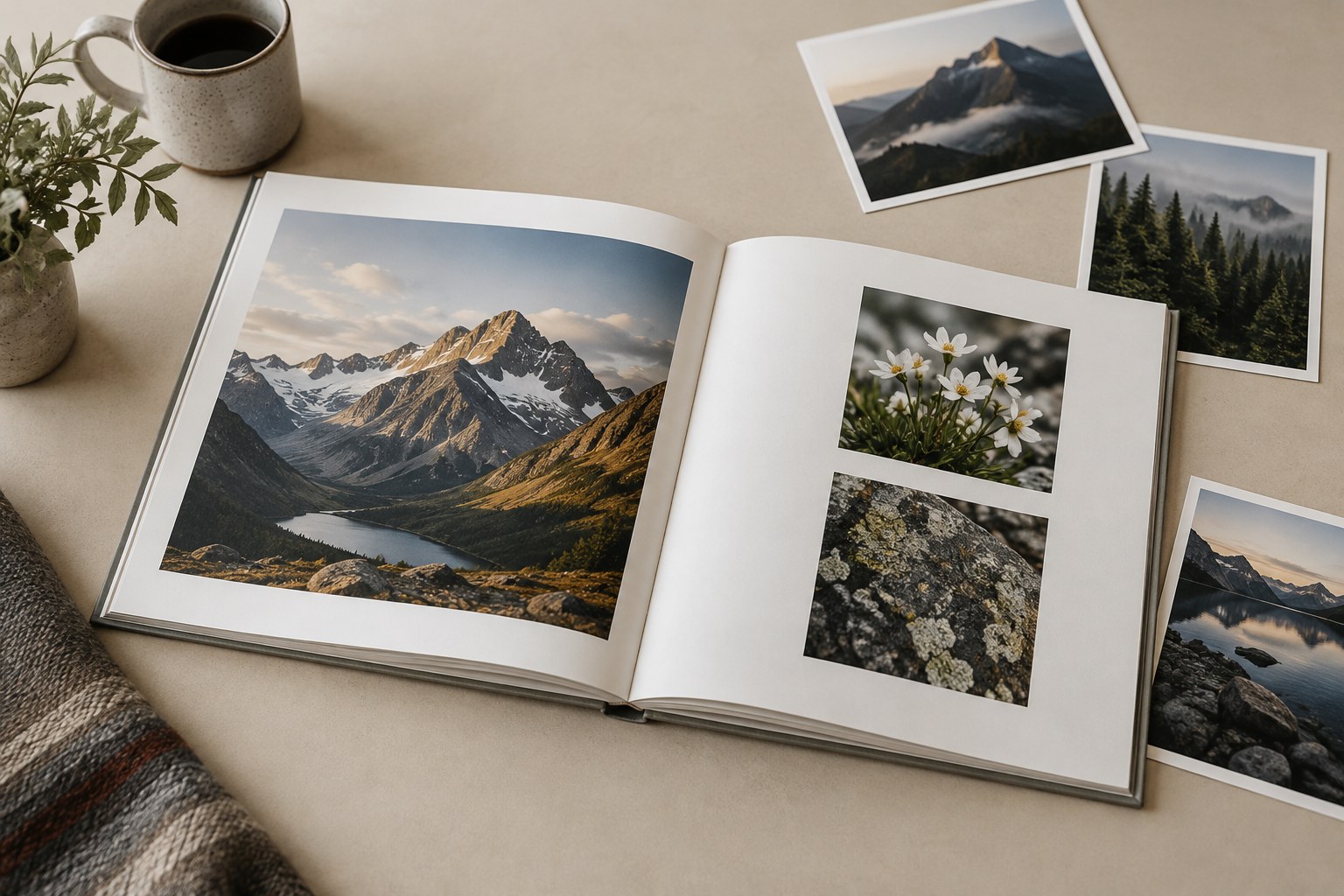
Build a photo book sequence by alternating visual roles, not by arranging every photograph in the order it was taken.
Paper & presentation
Choose page margins by considering the binding, the image and the way a reader holds the book.
Paper & presentation
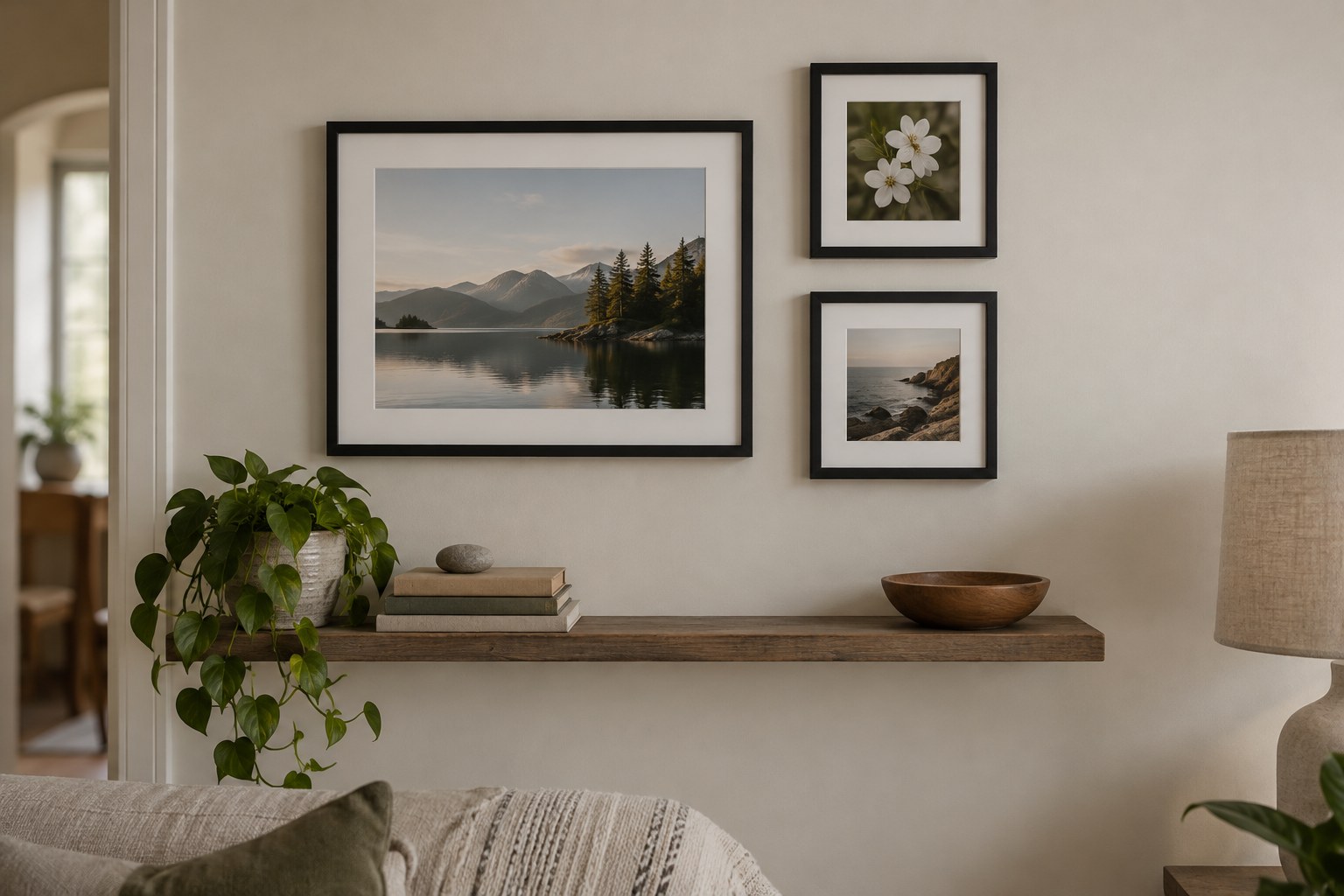
Plan a group of framed photographs as one arrangement while allowing each image enough space to remain readable.
Paper & presentation
Judge a frame by what it does to the photograph's edges, tones and viewing conditions, rather than treating it as a separate ornament.
Paper & presentation
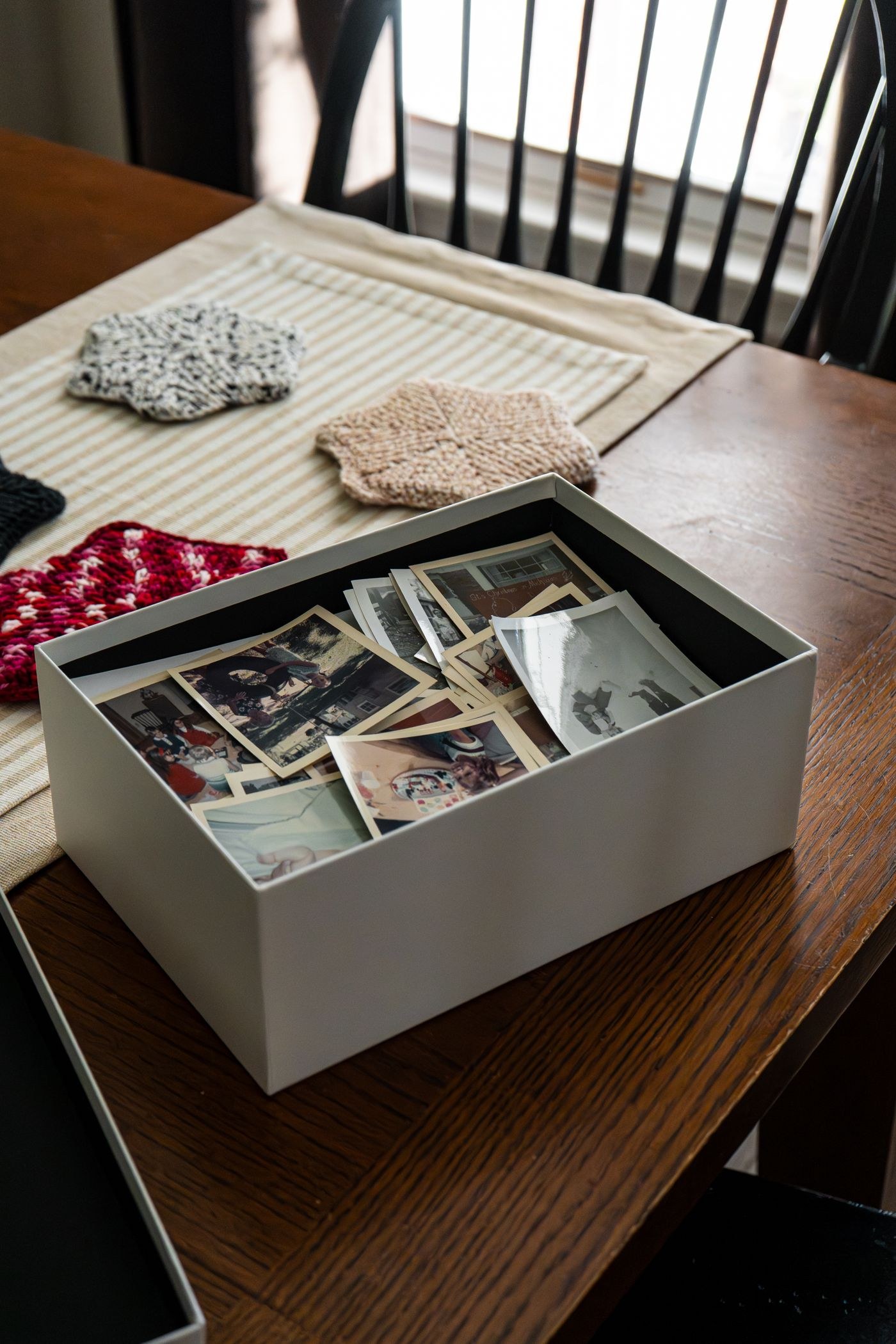
Give loose prints a physical home and a simple index so that finding one photograph does not require handling the entire collection.
Paper & presentation
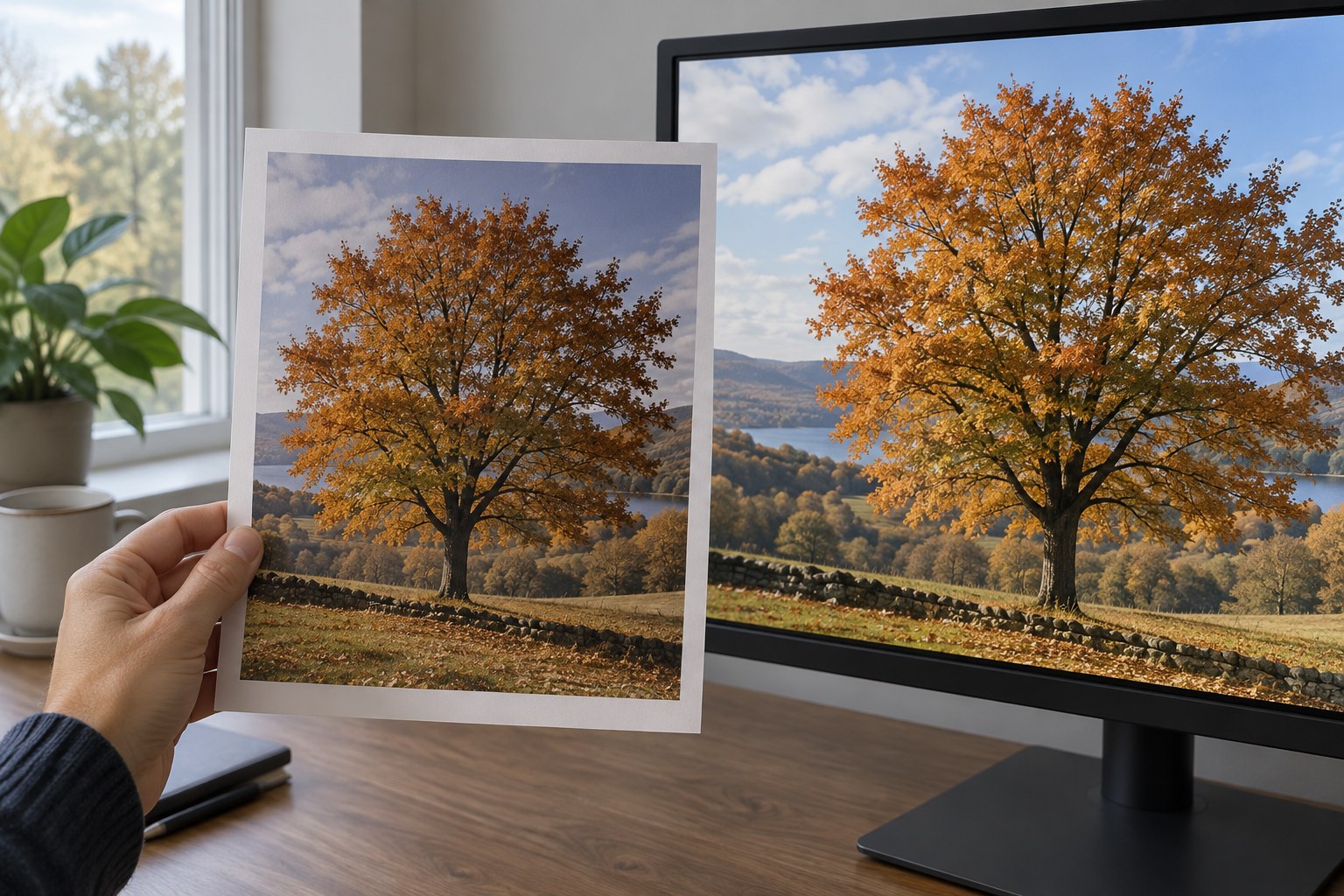
Separate a lighting mismatch from an editing problem before changing a file to make a print resemble its screen view.
Paper & presentation
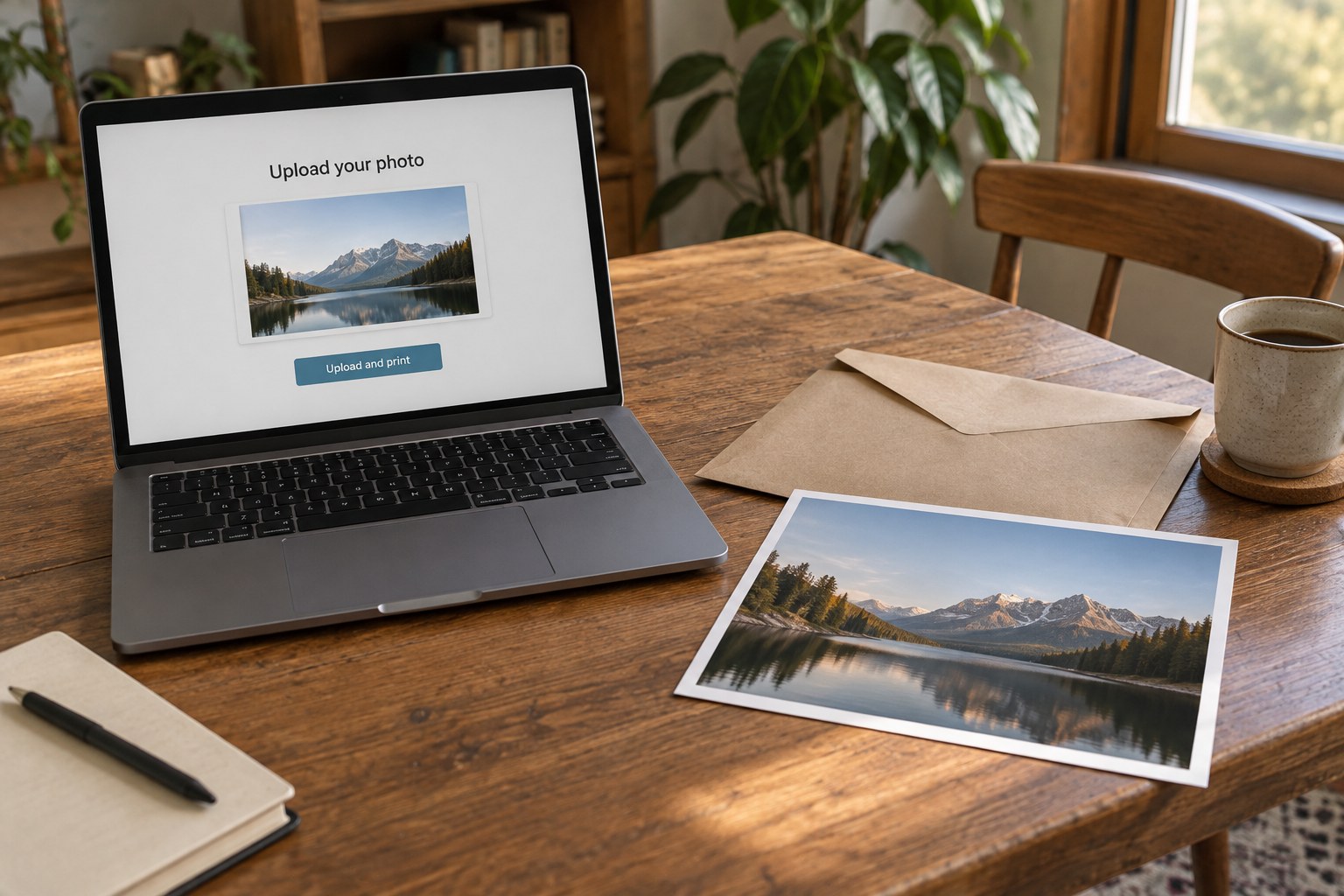
Prepare a print-service file by checking the chosen product's requirements, then verify the uploaded preview before ordering.
Paper & presentation
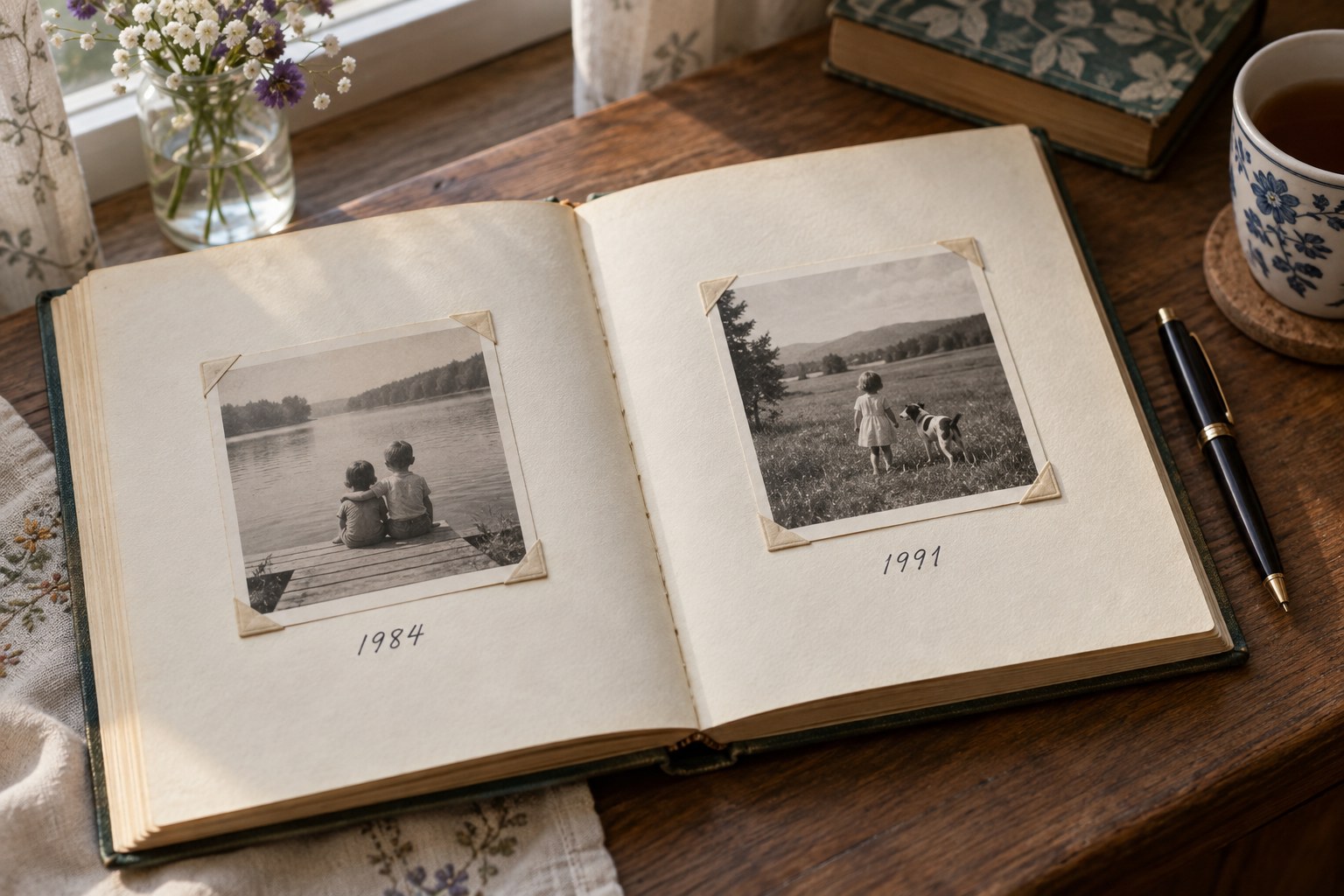
Write captions that preserve names, relationships and context without repeating everything the photograph already shows.
Paper & presentation
Select a portfolio by defining what it should demonstrate, then remove images that repeat a role already performed more clearly elsewhere.
No matching articles. Change the search or clear the selection.